Dog tags serve more than a decorative purpose—they are critical tools for pet safety. Whether your dog is a service animal, military companion, or beloved family pet, a well-crafted dog tag can mean the difference between a swift reunion and prolonged separation. While many focus solely on aesthetics, the way you write your dog’s name—and the information included—plays a vital role in clarity, legibility, and long-term usability. Crafting the perfect message requires balancing practicality with personality. Here’s how to get it right.
Why the Way You Write the Name Matters
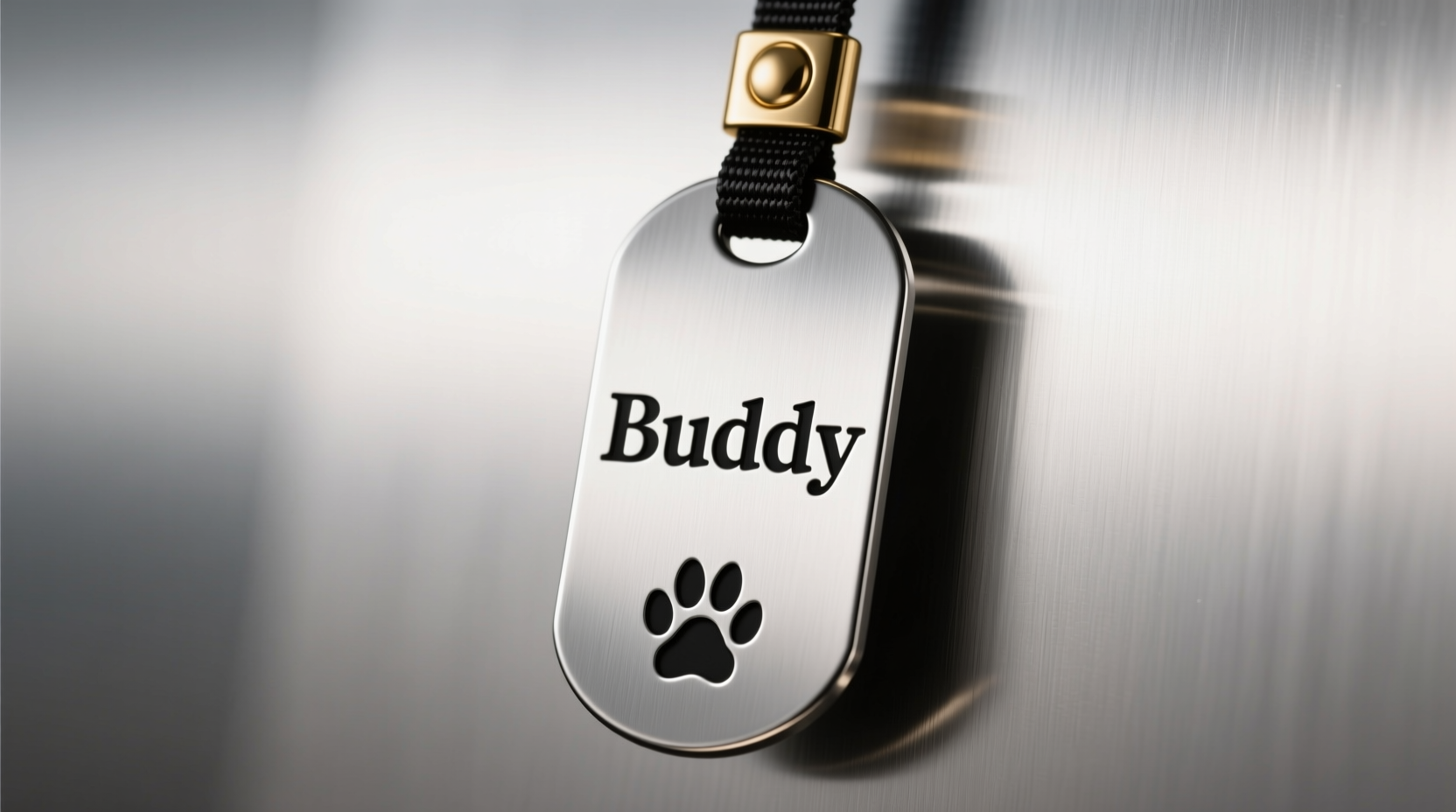
A dog tag isn’t just an accessory; it’s a functional piece of identification. If your dog wanders off, the first thing a finder will look at is the name and contact details engraved on the tag. A poorly formatted or unclear name can delay recovery. Factors like font choice, capitalization, spacing, and additional text all influence readability—especially under stress or low-light conditions.
Moreover, stylistic choices reflect your dog’s identity. A bold “MAX” conveys energy, while “Luna Belle” suggests elegance. But style should never compromise function. The ideal dog tag combines both: instantly readable and uniquely expressive.
Tip: Always test readability by holding the tag at arm’s length—can you clearly make out the name within three seconds?Step-by-Step Guide to Engraving the Perfect Name
- Choose the Right Font: Opt for clean, sans-serif fonts like Arial, Helvetica, or Impact. Avoid script or overly stylized fonts that sacrifice legibility.
- Use Capital Letters: Uppercase letters (ALL CAPS) improve visibility, especially on small surfaces. For example, “BAILEY” is easier to read quickly than “Bailey.”
- Limit Character Count: Most standard tags accommodate 10–15 characters per line. Keep the name concise. Use nicknames if necessary—“ZOE” instead of “Elizabeth Zoe Smith.”
- Add a Second Line for Clarity: Include a short descriptor like “LOVE ME” or “I HAVE A HOME” to signal the dog is not stray.
- Include Essential Contact Info: At minimum, add one phone number. Consider using a dedicated pet contact number via services like FidoAlert or PawPrints.
- Proofread Before Engraving: Double-check spelling, spacing, and punctuation. Mistakes are permanent once engraved.
Do’s and Don’ts: Best Practices for Dog Tag Text
| Do’s | Don’ts |
|---|---|
| Use uppercase letters for maximum visibility | Use lowercase-only names (harder to read) |
| Include a simple phone number or QR code | Engrave full addresses (privacy risk) |
| Add a friendly phrase like “Please Call!” | Use humor that could be misinterpreted (“I bite!”) |
| Choose durable materials like stainless steel or titanium | Select cheap alloys that tarnish or corrode |
| Test engraving depth—deep cuts last longer | Go for shallow laser marks that wear off |
The Role of Styling Without Sacrificing Safety
Styling your dog’s name doesn’t have to mean compromising clarity. Subtle touches—like adding a paw print symbol before or after the name, using a tasteful separator (e.g., “• MAX •”), or incorporating a meaningful date—can personalize without clutter. Some owners use dual tags: one minimalist with just the name and number, another decorative with the full name and fun motto.
For dogs with long names, consider a shortened version for the primary tag and the full name on a secondary tag. For example: Primary tag reads “LEXI,” secondary says “Alexandra Rose – Call 555-DOGPAL.” This maintains charm while ensuring immediate recognition.
“Clarity saves lives. In our fieldwork, dogs with clearly engraved names were reunited 70% faster than those with decorative or ambiguous tags.” — Dr. Karen Liu, Veterinary Emergency Coordinator, National Pet Safety Initiative
Real Example: How a Clear Name Made All the Difference
In suburban Colorado, a Border Collie named “Thistlewick” escaped during a storm. Her owner had used a custom tag with a cursive font and no contact info, only the full name. After two days, a neighbor found her but couldn’t decipher the name due to rain damage and ornate lettering. The dog was taken to a shelter where staff struggled to identify her.
After this incident, the owner replaced the tag with a new one: “THISTLE” in bold block letters, followed by “CALL MOM: 720-555-0198” on the second line. Six months later, when Thistle escaped again (during a fireworks display), she was returned within 45 minutes by a passerby who read the tag from across the street.
This case underscores the importance of prioritizing function over fashion—even when sentimentality pulls you toward elaborate names.
Checklist: Preparing Your Dog Tag for Engraving
- ☐ Confirm the correct spelling of your dog’s name
- ☐ Decide whether to use a nickname or full name
- ☐ Choose a legible, non-decorative font
- ☐ Limit text to 2–3 lines max
- ☐ Include at least one phone number (preferably mobile)
- ☐ Add a gentle call-to-action (“Please return me home!”)
- ☐ Select a durable metal (stainless steel, brass, or titanium)
- ☐ Order a proof or preview from the vendor before finalizing
- ☐ Attach the tag securely to a breakaway-proof collar
- ☐ Register the tag ID with a national pet database if applicable
Frequently Asked Questions
Should I include my dog’s full name or a nickname?
Use a nickname if the full name exceeds 10 characters. The goal is instant recognition. “BENJI” works better than “Benjamin Franklin III” on a small tag. You can always include the full name in a microchip or digital profile.
Is it safe to put my address on a dog tag?
No. Including your full address poses a privacy and security risk. A phone number or QR code linked to a secure pet profile is safer and more effective. If someone finds your dog, they don’t need to know where you live—just how to reach you.
Can I change the text if I made a mistake?
Once engraved, text cannot be altered on most metal tags. Some companies offer re-engraving services, but it’s best to prevent errors upfront. Always request a digital proof before production.
Final Thoughts: Clarity, Care, and Connection
Your dog’s name on a tag is more than an identifier—it’s a message of care. It tells the world this animal is loved, protected, and missed if lost. By choosing clear typography, concise wording, and reliable materials, you ensure that message gets through when it matters most. A well-written name isn’t just stylish; it’s a safeguard.
Take a moment today to inspect your dog’s current tag. Is the name easy to read? Is the contact information up to date? If not, now is the time to make a change. A few thoughtful decisions can lead to a lifetime of security.
🚀 Ready to upgrade your dog’s ID? Design a new tag using these tips, and share your story in the comments. Help other pet owners keep their furry friends safe and stylish!








