Bringing a new puppy into your home is joyful—but it often comes with sleepless nights. One of the most common challenges new dog owners face is getting their puppy to settle into a nighttime routine, especially when using a crate. While crying, whining, and restless pacing are normal at first, they don’t have to last forever. With consistency, patience, and the right approach, you can train your puppy to sleep peacefully through the night in their crate. This guide covers proven strategies, expert insights, and actionable steps to make crate training not only effective but stress-free—for both you and your pup.
Why Crate Training Matters for Nighttime Sleep
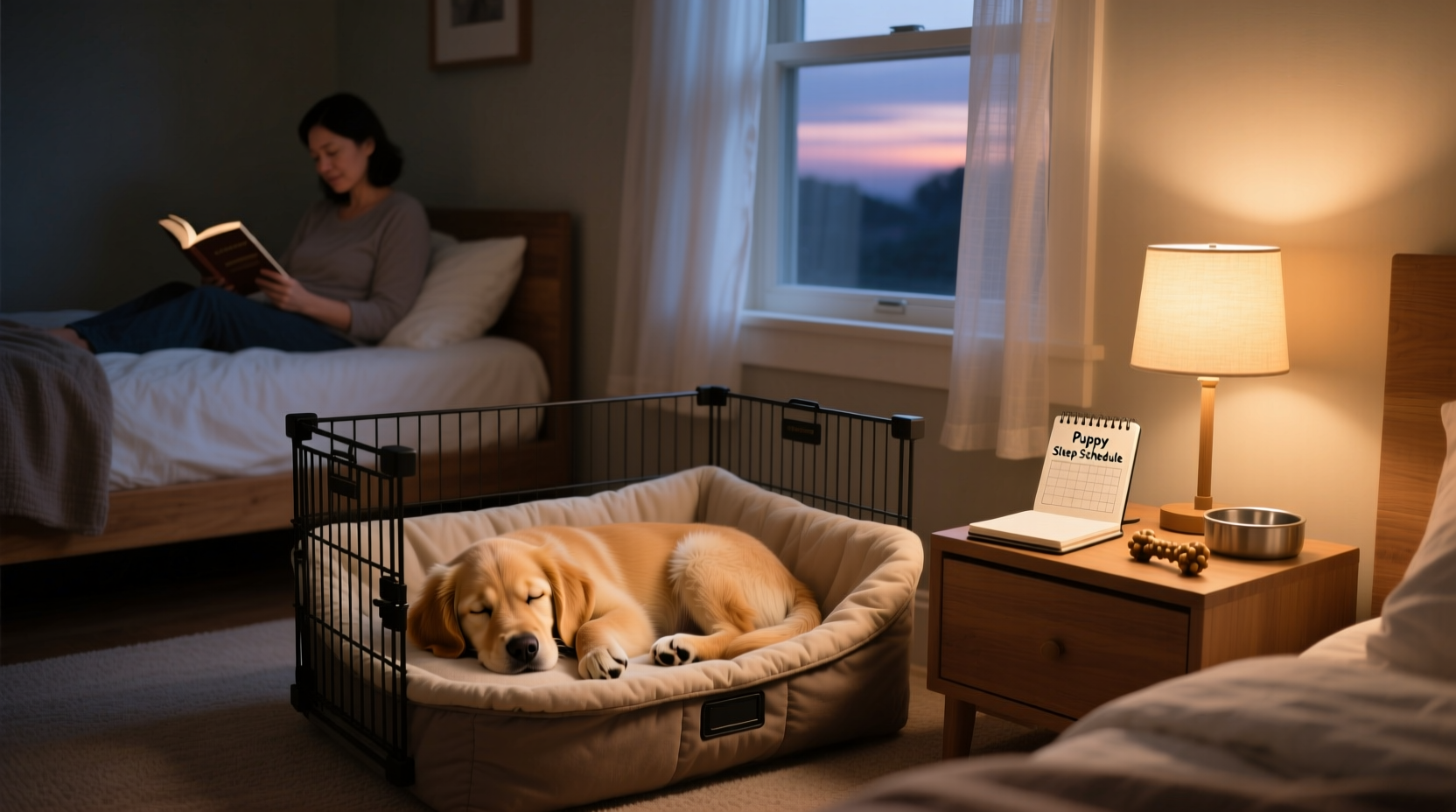
Crate training leverages a dog’s natural instinct to seek out den-like spaces. When introduced properly, a crate becomes a safe, comforting retreat rather than a punishment. For nighttime, this means your puppy learns to associate the crate with rest, security, and routine. A well-trained puppy will eventually see bedtime as a signal to wind down, not an invitation to protest.
Proper crate training also supports housebreaking. Puppies naturally avoid soiling where they sleep, which encourages them to hold it until morning—or until their scheduled potty break. This dual benefit makes the crate an essential tool in early puppy development.
Tip: Never use the crate as punishment. It should always be associated with safety, comfort, and positive experiences.Step-by-Step Timeline for Nighttime Crate Success
Success doesn’t happen overnight. Most puppies take anywhere from a few days to several weeks to fully adjust. The key is a structured timeline that builds confidence gradually. Follow this realistic 7-day framework to set strong foundations:
- Day 1–2: Introduce the crate during the day. Leave the door open, place treats inside, and let your puppy explore freely. Use a consistent cue like “kennel up” when encouraging entry.
- Day 3–4: Feed meals near and then inside the crate. This builds positive associations. Gradually close the door for short periods while you’re present.
- Day 5–6: Practice short crating sessions at night. Begin with 10–15 minutes while you sit nearby, then extend to 30 minutes. Return to bed yourself after releasing them.
- Day 7: Attempt the first full-night trial. Ensure all pre-bed routines (potty, feeding, play) are complete. Position the crate beside your bed for reassurance.
- Week 2 onward: Gradually move the crate to its permanent location. If your goal is for the puppy to sleep in another room, do so incrementally—one foot per night—to minimize anxiety.
Adjust the pace based on your puppy’s temperament. Some adapt quickly; others need more time. Rushing the process can lead to fear-based resistance, setting back progress.
Essential Tips for Consistent Nighttime Sleep
Even with a solid plan, small missteps can derail progress. These evidence-based tips help prevent common pitfalls and reinforce long-term success.
- Establish a fixed bedtime routine. Just like children, puppies thrive on predictability. A consistent sequence—such as dinner, play, potty break, brush teeth (for you), then crate—signals that sleep is coming.
- Take a final potty break 15–20 minutes before bed. This reduces the chance of needing to go during the night. Carry small breeds or young pups to avoid accidents en route back.
- Keep nighttime interactions minimal. If your puppy cries, wait a few minutes before responding. When you do, keep lights off, avoid eye contact, and return them to the crate quietly. Over-engagement teaches them that crying gets attention.
- Choose the right crate size. It should be large enough for your puppy to stand, turn around, and lie down—but not so big that they can eliminate in one end and sleep in the other. Use a divider in larger crates if needed.
- Add comfort without risk. Include a soft blanket and a chew-safe toy, but avoid plush items that can be torn and ingested. Consider a ticking clock or heartbeat plush toy to mimic littermate presence.
“Dogs are creatures of habit. A predictable evening routine does more for nighttime sleep than any gadget or treat.” — Dr. Lisa Monroe, Veterinary Behaviorist
Common Mistakes and How to Avoid Them
Even well-meaning owners make errors that prolong the adjustment period. Recognizing these early helps you stay on track.
| Mistake | Why It’s Problematic | Better Approach |
|---|---|---|
| Letting the puppy cry indefinitely | Can increase anxiety and damage trust | Respond calmly after a few minutes if distress persists; rule out medical needs |
| Releasing the puppy every time they whine | Reinforces crying as a way to get out | Only release for potty breaks or genuine distress, not demands |
| Placing the crate too far from people initially | Puppies feel isolated and scared | Start in your bedroom, then transition slowly over weeks |
| Skipping daytime crating practice | Puppy sees the crate as a nighttime-only punishment | Use the crate for naps and quiet time during the day |
| Feeding or giving water too close to bedtime | Increases likelihood of needing to urinate overnight | Remove food by 6 PM and water by 8 PM for most puppies |
Real-Life Example: Training Max, the 10-Week-Old Labrador
Sarah adopted Max, a high-energy Labrador puppy, at 10 weeks old. The first two nights were rough—Max cried for nearly two hours straight, and Sarah worried she’d made a mistake. She consulted a trainer who advised her to follow a strict schedule and resist the urge to comfort him mid-cry unless he was truly distressed.
Sarah implemented the following:
- Dinner at 5:30 PM, followed by a 15-minute play session
- Potty break at 7:15 PM, then calm time with a chew toy
- Final potty trip at 8:45 PM
- Crate placed beside her bed with a blanket and a stuffed toy
The first night, Max cried for 40 minutes. Sarah waited 10 minutes, then quietly petted him through the crate bars without removing him. By night three, he was settling within 15 minutes. By night seven, he slept from 9 PM to 6:30 AM with one brief potty break. Within three weeks, he was sleeping through entirely and happily retreating to his crate whenever tired.
“I thought I was being kind by letting him sleep on the bed,” Sarah said. “But once I stuck to the routine, everything changed. He’s happier, and so am I.”
Checklist: Your First Week of Nighttime Crate Training
Stay organized and confident with this daily checklist. Print it or keep it handy on your phone.
- ✅ Introduce the crate with treats and praise during daylight hours
- ✅ Feed dinner at least 2–3 hours before bedtime
- ✅ Schedule active play earlier in the evening, winding down by 8 PM
- ✅ Take a potty break 15–20 minutes before bed
- ✅ Place the crate in your bedroom for the first 1–2 weeks
- ✅ Include a soft blanket and one safe toy
- ✅ Stick to the same bedtime every night—even on weekends
- ✅ Respond calmly and minimally if your puppy cries
- ✅ Plan a middle-of-the-night potty break if needed (especially under 12 weeks)
- ✅ Celebrate small wins: five extra minutes of quiet, a successful nap, no accidents
Frequently Asked Questions
How long can a puppy sleep through the night without a potty break?
As a general rule, puppies can hold their bladder for about one hour per month of age. A 10-week-old puppy (2.5 months) may manage 3 hours, while a 16-week-old (4 months) can often go 6–8 hours. However, this varies by breed, size, and individual development. Very young puppies usually need at least one nighttime potty trip.
Should I cover the crate at night?
Some owners find that covering part of the crate creates a cozier, den-like atmosphere. Use a lightweight, breathable fabric and never block airflow. Monitor your puppy—if they seem stressed or overheated, remove it. Never fully enclose the crate.
What if my puppy hates the crate and refuses to go in?
Forced confinement creates fear. Go back to basics: leave the door open, toss treats inside, feed meals there, and allow free access. Pair crate time with something enjoyable, like a frozen peanut butter Kong. Patience and positivity win every time.
Conclusion: Building Calm, Confident Nights
Training a puppy to sleep through the night in a crate isn’t just about convenience—it’s about building trust, structure, and lifelong habits. The early days may test your resolve, but the payoff is immense: a well-adjusted dog who views their crate as a sanctuary, and a household where everyone gets the rest they need.
Remember, progress isn’t linear. Some nights will be better than others. What matters is consistency, empathy, and commitment to the process. Every puppy is different, but every puppy can learn—given time, clear boundaries, and love.
🚀 Ready to transform your puppy’s nights? Start tonight: prepare the crate, set a bedtime, and follow the steps. Share your journey in the comments—we’d love to hear how your pup settles in!








