
Grooming your dog’s face is one of the most delicate parts of at-home care. Unlike body fur, facial hair surrounds sensitive areas: eyes, ears, nose, and mouth. Improper technique can lead to nicks, irritation, or even accidental injury. Yet, regular facial grooming is essential—not just for appearance, but for hygiene and health. Mats around the eyes can trap moisture and bacteria, leading to infections, while overgrown hair can impair vision in long-haired breeds. With patience, the right tools, and a calm approach, you can safely maintain your dog’s facial coat at home.
Understanding Your Dog’s Facial Anatomy
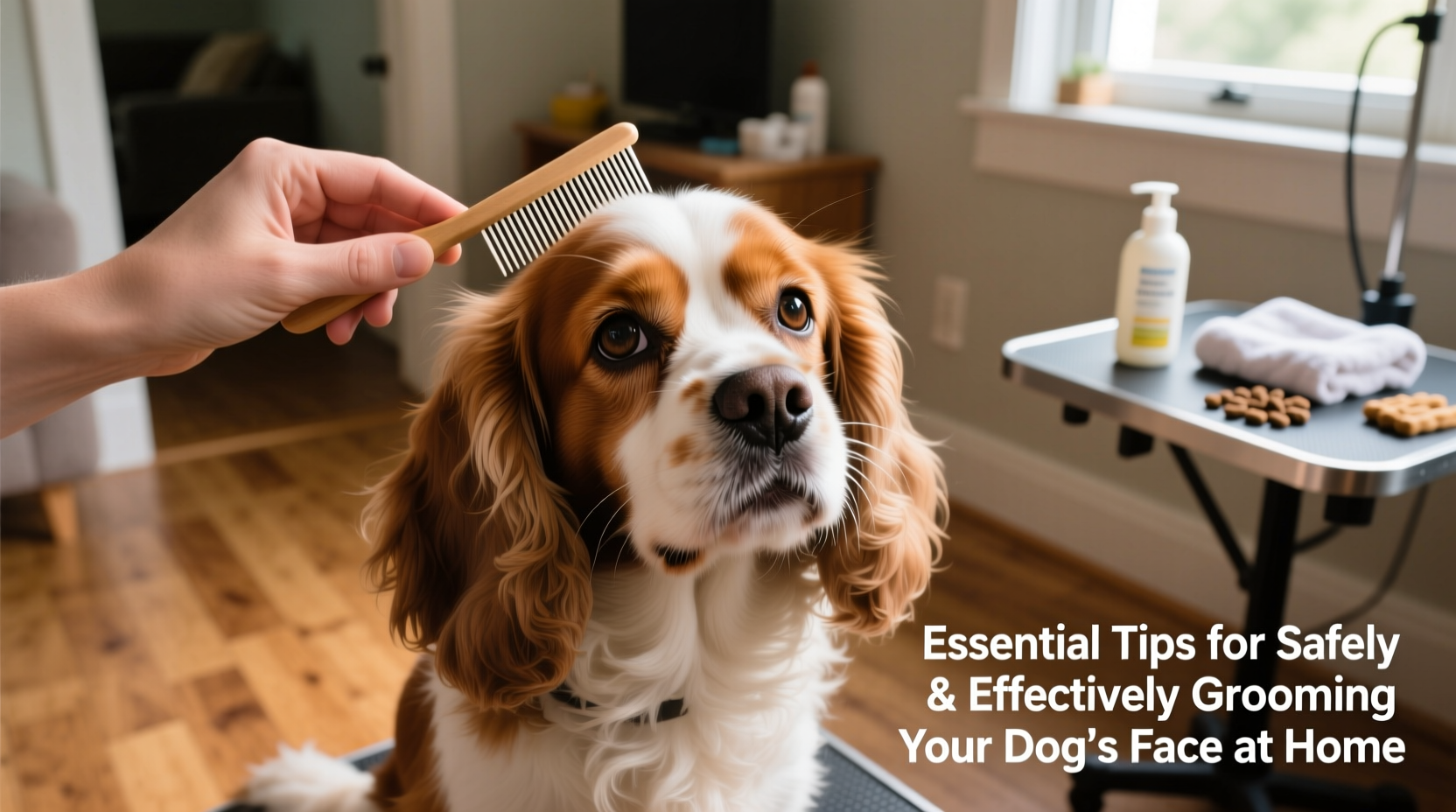
A dog’s face contains several high-sensitivity zones that require special attention during grooming. The area around the eyes is particularly vulnerable; skin here is thin and easily irritated. The ears house delicate cartilage and are prone to infection if moisture or debris enters during trimming. The muzzle and beard collect food residue and drool, which can cause staining and odor if not cleaned regularly. Breeds like Shih Tzus, Maltese, Poodles, and Bichon Frises are especially prone to facial matting due to their dense, fast-growing coats.
Before picking up any tools, take time to observe your dog’s natural hair growth patterns. Note where mats commonly form—typically near the corners of the eyes, under the chin, and along the jawline. Understanding these tendencies helps you anticipate problem areas and address them before they worsen.
“Facial grooming isn’t vanity—it’s veterinary hygiene. Keeping the face clean and tangle-free prevents chronic eye and skin issues.” — Dr. Lena Reyes, DVM, Canine Dermatology Specialist
Essential Tools for Safe Facial Grooming
Using the correct equipment minimizes risk and improves results. Never use household scissors with sharp points near your dog’s face. Instead, invest in professional-grade grooming tools designed for precision and safety.
| Tool | Purpose | Safety Notes |
|---|---|---|
| Blunt-tip scissors | Cutting stray hairs around eyes and muzzle | Prevents accidental poking; never point toward eyes |
| Small curved clippers with guard (size #10 or #15) | Trimming close around ears and under eyes | Use only on cool settings; avoid prolonged contact |
| Fine-tooth comb | Detecting and removing mats | Start from ends and work gently upward |
| Soft damp cloth or pet-safe wipe | Cleaning tear stains and food residue | Avoid getting water in ears or nose |
| Detangling spray (alcohol-free) | Loosening knots without pulling | Test on small patch first for sensitivity |
Step-by-Step Guide to Grooming Your Dog’s Face
Follow this sequence to ensure a thorough, low-stress experience for both you and your dog. Perform grooming in a quiet, well-lit room with minimal distractions.
- Brush First: Begin by gently combing the facial hair. Use a fine-tooth comb to detect mats. If you find tangles, apply detangling spray and work them out slowly. Never cut through a mat with scissors—this risks cutting the skin.
- Clean the Eyes and Muzzle: Dampen a soft cloth with lukewarm water or a vet-approved eye wipe. Wipe from the inner to outer corner of each eye to remove discharge. Clean under the chin and around the mouth to remove food particles.
- Trim Around the Eyes: Using blunt-tip scissors, hold the hair taut and trim outward, away from the eye. Cut small sections at a time. For heavy feathering, consider using clippers with a #10 blade for a neater finish.
- Shape the Muzzle: Part the hair down the center of the muzzle. Trim symmetrically, following the natural contour of the snout. Avoid cutting too short near the whiskers, as these are sensory tools.
- Groom Ears and Jawline: Carefully trim excess hair growing from ear flaps. Use clippers to tidy the area beneath the ears and along the jaw. Never insert anything into the ear canal.
- Final Inspection: Run your fingers over the face to feel for missed spots or rough edges. Reward your dog with praise or a treat for staying calm.
Common Mistakes to Avoid
Even experienced pet owners make errors when grooming at home. Awareness reduces risk.
- Rushing the process: A nervous dog may jerk its head. Work slowly, taking breaks if needed.
- Using dull tools: Dull blades pull hair instead of cutting it, causing discomfort.
- Ignoring behavior cues: If your dog trembles, growls, or avoids the mirror, stop and reassess. Forcing grooming damages trust.
- Over-trimming: Exposing too much skin can lead to sunburn or dryness, especially in light-colored dogs.
- Skipping cleaning: Trimming over dirty or greasy fur spreads bacteria and makes cutting harder.
Real Example: Grooming a Long-Haired Terrier at Home
Sophie, a 4-year-old Soft Coated Wheaten Terrier, had developed thick mats under her eyes and a perpetually damp beard. Her owner, Mark, tried brushing but often pulled hair, making Sophie resistant. After consulting a groomer, he learned to use a detangler spray and a metal comb with rounded tips. He began cleaning Sophie’s face daily with a pet-safe wipe and introduced clipping in short sessions—just five minutes at a time. Within three weeks, Sophie allowed full facial trims without anxiety. The result? Fewer eye infections, less odor, and a brighter expression.
This case illustrates how consistency and gentle training transform a stressful chore into a bonding ritual.
Checklist for Safe At-Home Facial Grooming
Keep this checklist handy before each session:
- ✅ Gather all tools: blunt scissors, clippers, comb, wipes, detangler
- ✅ Choose a calm time—avoid grooming after excitement or meals
- ✅ Brush thoroughly to remove tangles
- ✅ Clean eyes and muzzle before trimming
- ✅ Work in small sections, always cutting away from sensitive areas
- ✅ Monitor your dog’s stress level—pause if anxious
- ✅ Reward with treats or affection post-grooming
- ✅ Sanitize tools afterward with pet-safe disinfectant
Frequently Asked Questions
How often should I groom my dog’s face?
For long-haired breeds, facial grooming should occur every 1–2 weeks. Short-haired dogs may only need monthly attention, primarily for cleaning. Dogs with tear staining or food-prone beards benefit from daily wiping and weekly checks.
Can I use human clippers on my dog’s face?
No. Human clippers are louder, vibrate more, and lack safety guards suitable for pets. They also run hotter, increasing burn risk. Always use pet-specific clippers designed for sensitive areas.
What should I do if I accidentally nick my dog’s skin?
Stay calm. Apply gentle pressure with a clean gauze pad. Use styptic powder if bleeding persists. Most minor cuts heal quickly, but monitor for signs of infection. In the future, consider using shorter blades and working more slowly.
Final Thoughts and Next Steps
Grooming your dog’s face at home is a skill built over time. It demands patience, precision, and empathy. When done correctly, it enhances your dog’s comfort, prevents health issues, and strengthens your bond. Start small, celebrate progress, and never hesitate to consult a professional groomer or veterinarian if you’re unsure.
💬 Have a grooming tip or story to share? Join the conversation—your experience could help another pet owner avoid common pitfalls and succeed with confidence.








