Dog clothing isn’t just a fashion statement—it can serve practical purposes like protecting against cold, allergies, or skin irritants. But unlike human garments, dog clothes face unique challenges: mud, drool, grass stains, and constant movement. Washing them after every use isn’t always practical and can wear out fabrics prematurely. The key to longevity and freshness lies in smart maintenance between wash cycles. With the right habits, you can keep your pup’s wardrobe looking and smelling clean without over-washing.
1. Spot-Clean Immediately After Exposure
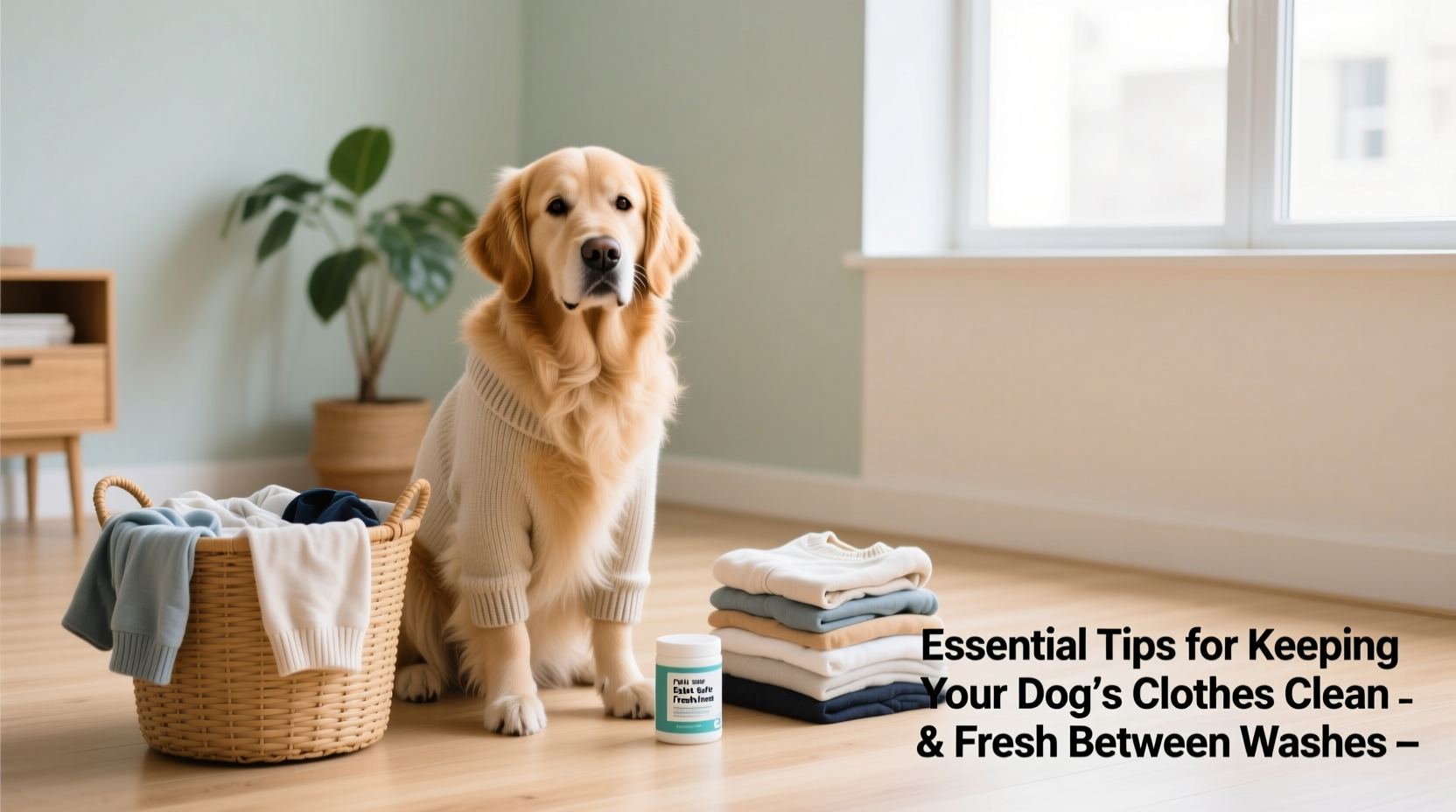
One of the most effective ways to preserve cleanliness is addressing messes the moment they happen. Whether your dog rolled in the grass, stepped in mud, or got food on their sweater, immediate spot treatment prevents stains from setting and odors from developing.
Use a damp microfiber cloth with a small amount of pet-safe detergent or mild dish soap to gently blot affected areas. Avoid vigorous scrubbing, which can damage delicate fabrics or spread the stain. Always rinse with a clean, damp cloth afterward to remove soap residue.
Tip: Keep a travel-sized spray bottle with water and a drop of gentle detergent in your car or near the door for quick cleanups after walks.2. Air Out Clothes After Each Use
Dogs naturally carry moisture and body odor, especially after outdoor activity. Even if clothes look clean, they may harbor sweat, bacteria, and humidity that lead to musty smells over time.
After removing your dog’s outfit, hang it in a well-ventilated area—preferably near an open window or fan—for at least 30 minutes. This simple step significantly reduces odor buildup and keeps fabrics feeling fresher longer.
Airing also helps identify lingering issues early. If a garment still smells after airing, treat it before storing to avoid contaminating other items.
Best Practices for Air Drying
- Use padded hangers or lay flat to maintain shape
- Avoid direct sunlight, which can fade colors and weaken fibers
- Rotate garments weekly to ensure even exposure to air
3. Use Fabric Refreshers Safely
Not all fabric sprays are safe for pet clothing. Many contain essential oils, alcohol, or synthetic fragrances that can irritate sensitive skin or be toxic if ingested during grooming.
Opt for pet-safe, hypoallergenic fabric refreshers or make your own using distilled water, a teaspoon of baking soda, and a few drops of pet-safe essential oil (like lavender or chamomile). Lightly mist the garment and let it air dry completely before reuse.
“Using natural, non-toxic refreshers minimizes skin irritation and supports long-term garment hygiene.” — Dr. Lena Reyes, Veterinary Dermatologist
4. Rotate Your Dog’s Wardrobe Strategically
Just like humans, dogs benefit from a rotating wardrobe. Having multiple outfits allows each piece time to rest, air out, and fully recover its shape and freshness between uses.
Plan a weekly rotation based on weather, activity level, and fabric type. For example:
- Cold days: Fleece jackets – rotate every 3–4 days
- Rainy outings: Waterproof raincoats – air thoroughly after each use
- Indoor wear: Soft tees or onesies – change daily
| Fabric Type | Max Wear Before Wash | Recommended Rest Period |
|---|---|---|
| Cotton | 2–3 wears | 24–48 hours |
| Polyester Blend | 3–4 wears | 12–24 hours |
| Fleece | 2 wears | 48 hours |
| Waterproof Nylon | 1–2 wears | 24 hours (airing required) |
5. Store Clean and Dry—Never Damp
Storing dog clothes while damp is a fast track to mildew, odor, and fabric degradation. Always ensure garments are completely dry before folding or hanging them away.
Designate a specific drawer, basket, or shelf for dog clothing. Line storage containers with breathable cotton liners or silica gel packs to absorb ambient moisture. Avoid plastic bins unless they have ventilation, as trapped humidity encourages bacterial growth.
Tip: Label storage sections by season or function (e.g., “Winter,” “Walkwear”) to streamline access and reduce unnecessary handling.Mini Case Study: How Sarah Keeps Her Poodle’s Outfits Fresh
Sarah owns a standard poodle named Milo who wears seasonal outfits daily. Living in a humid climate, she struggled with persistent mildew smells despite frequent washing. After consulting a pet groomer, she adjusted her routine.
She now follows a three-step post-walk process: (1) wipes down Milo’s jacket with a pet-safe wipe, (2) hangs it on a drying rack near a fan for two hours, and (3) stores it only after confirming it’s bone-dry. She also rotates five sweaters weekly and uses a homemade linen spray with witch hazel and lavender.
The result? Her dog’s clothes last up to 60% longer, smell consistently fresh, and require washing only once every 10–14 days per item—down from weekly.
Step-by-Step: Mid-Wear Maintenance Routine
Follow this timeline to keep dog clothes fresh between full washes:
- Immediately after removal: Inspect for stains, debris, or wet spots.
- Within 10 minutes: Spot-clean any soiled areas with a damp cloth and pet-safe cleaner.
- Next 30–60 minutes: Hang garment in a ventilated space to air out.
- After 2–4 hours: Lightly mist with a pet-safe fabric refresher if needed.
- Before storage: Confirm the item is completely dry and free of odor.
- Weekly: Rotate all garments and re-evaluate for hidden odors or wear.
Common Mistakes That Ruin Dog Clothes
Even well-meaning owners make errors that compromise garment quality. Avoid these pitfalls:
- Leaving clothes bunched in laundry baskets: Traps moisture and accelerates odor.
- Using human dry-cleaning products: Often too harsh for pet fabrics and unsafe if licked.
- Overusing fragrance sprays: Masks odors but doesn’t eliminate bacteria; can cause respiratory irritation.
- Skipping pre-treatment: Leads to permanent staining and more frequent washing.
FAQ
Can I use baby wipes to clean my dog’s clothes?
Only if they’re unscented, alcohol-free, and labeled safe for sensitive fabrics. Most baby wipes contain ingredients that can degrade elastic or leave residue. Opt for pet-specific wipes instead.
How often should I actually wash dog clothes?
It depends on usage. Light indoor wear: every 3–5 wears. Outdoor or muddy conditions: after each use. Between washes, follow maintenance steps to extend cleanliness.
Is it safe to use a dryer on low heat?
Not recommended. High heat can shrink cotton, melt synthetic blends, and damage seams. Always air-dry dog clothing flat or on a hanger away from direct heat sources.
Checklist: Keep Dog Clothes Fresh Between Washes
Print or save this checklist for daily use:
- ☑ Inspect clothes after each use
- ☑ Spot-clean stains immediately
- ☑ Hang to air out for at least 30 minutes
- ☑ Use pet-safe fabric refresher if needed
- ☑ Ensure complete dryness before storage
- ☑ Rotate garments weekly
- ☑ Store in a cool, dry, ventilated space
- ☑ Check for odors or wear monthly
Final Thoughts
Maintaining clean, fresh dog clothes isn’t about washing more—it’s about caring smarter. By integrating simple habits like prompt spot-cleaning, strategic airing, and proper storage, you protect both your investment and your pet’s comfort. Well-maintained clothing lasts longer, smells better, and performs its protective role more effectively.
🚀 Start today: Pick one outfit and apply these tips after your next walk. Notice the difference in texture, scent, and durability. Share your experience in the comments—your routine might inspire another pet parent!








