Selecting the right dog collar is about far more than matching your pet’s personality or style. It's a critical decision that affects their comfort, health, and safety every single day. With countless styles, materials, and fasteners available, it’s easy to feel overwhelmed. Yet, the ideal collar should be functional, durable, and tailored to your dog’s size, breed, activity level, and lifestyle. Whether you’re outfitting a playful puppy or a senior companion, understanding what makes a collar truly effective can prevent discomfort, injury, and even escape risks.
Understand Your Dog’s Needs First
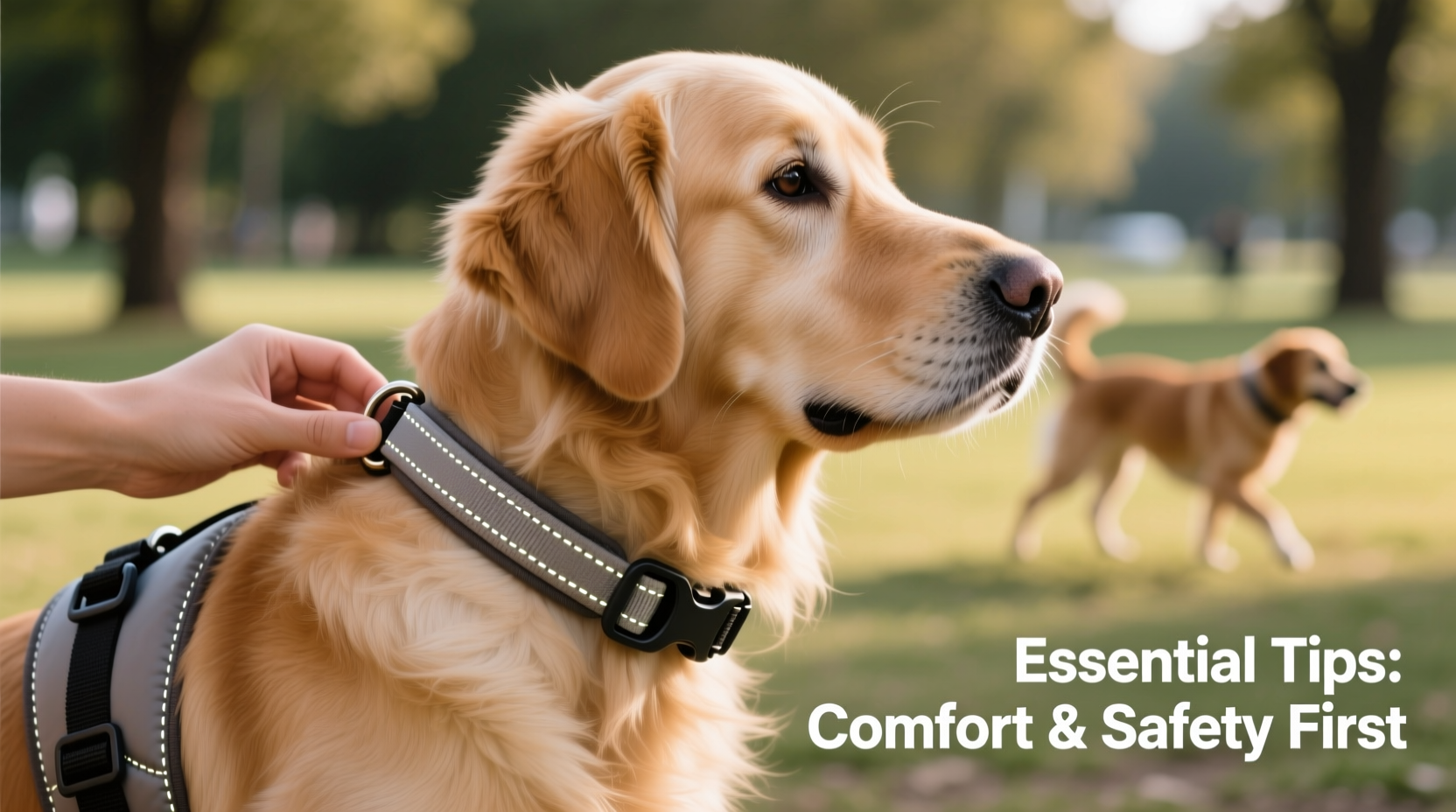
Before browsing collars, assess your dog’s individual characteristics. A working Border Collie who hikes daily has different needs than a Pomeranian who mostly lounges at home. Consider:
- Breed and neck structure: Breeds with thicker necks (like Bulldogs) may need wider collars for even pressure distribution.
- Age and growth stage: Puppies grow quickly and may need adjustable or replaceable collars.
- Activity level: Active dogs benefit from secure, durable collars with reflective elements or GPS compatibility.
- Skin sensitivity: Dogs with allergies or prone to irritation require hypoallergenic materials like nylon or biothane.
Even temperament plays a role. A dog prone to pulling or escaping needs a collar designed for control and security, while a calm dog may simply need identification and light walking support.
Tip: Measure your dog’s neck every few months, especially during growth phases or weight changes.Choose the Right Material for Comfort and Durability
The collar material impacts both comfort and longevity. Common options include nylon, leather, biothane, and mesh, each with pros and cons.
| Material | Best For | Pros | Cons |
|---|---|---|---|
| Nylon | Everyday use, budget-friendly options | Lightweight, affordable, comes in many colors | Can fray over time; may retain moisture |
| Leather | Dogs with sensitive skin, long-term durability | Strong, breathable, molds to neck shape | Requires maintenance; not water-resistant |
| Biothane | Active dogs, outdoor adventures | Waterproof, easy to clean, odor-resistant | Slightly stiffer initially; higher cost |
| Mesh/Neoprene | Short-nosed breeds, dogs with respiratory issues | Soft, flexible, promotes airflow | Less durable; not ideal for strong pullers |
For dogs with thick fur or prone to matting around the neck, consider breakaway or quick-dry materials to reduce friction and irritation.
“Always prioritize function over fashion. A collar that looks great but doesn’t fit properly can cause chronic discomfort or even tracheal damage.” — Dr. Lena Torres, Veterinary Behaviorist
Ensure Proper Fit: The Two-Finger Rule
A poorly fitting collar is one of the most common—and avoidable—mistakes. Too tight, and it restricts breathing or causes sores; too loose, and your dog could slip out and get lost.
To measure correctly:
- Use a soft measuring tape around the base of your dog’s neck, just behind the ears and above the shoulders.
- Add 1–2 inches for room to grow or accommodate a thick coat.
- When fastened, you should be able to slide two fingers comfortably underneath.
Check the fit weekly, especially in puppies. Weight gain, seasonal shedding, or muscle development can alter neck size surprisingly fast.
Common Fit Mistakes to Avoid
- Using collar size labels (S, M, L) without measuring.
- Assuming one size fits all life stages.
- Ignoring signs of chafing, redness, or hair loss near the collar line.
Safety Features That Matter
A collar isn't just for ID tags—it's a vital safety tool. Modern designs offer features that protect your dog in emergencies or low-visibility conditions.
- Reflective stitching or trim: Increases visibility during evening walks.
- Quick-release buckles: Allow rapid removal in case of entanglement.
- Breakaway clasps: Essential for cats and small dogs; release under sudden pressure to prevent choking.
- GPS or ID tag integration: Some collars now support embedded trackers or QR-coded tags linked to owner contact info.
For dogs that swim or hike, waterproof materials and rust-proof hardware are non-negotiable. Avoid decorative elements like dangling charms that could snag on fences or branches.
Mini Case Study: Bella the Escape Artist
Bella, a 2-year-old Australian Shepherd, had escaped twice from her backyard. Her owner assumed she was digging under the fence—until reviewing security footage revealed she was slipping out of her overly loose nylon collar when excited. After switching to a properly fitted biothane collar with a double-locking clasp and adding a secondary harness for walks, Bella stopped escaping. The change wasn’t about strength, but precision: the new collar stayed secure without restricting movement.
Step-by-Step Guide to Choosing the Right Collar
Follow this practical sequence to make an informed decision:
- Measure your dog’s neck using a soft tape. Record the exact circumference.
- Evaluate daily activities: Does your dog walk on-leash, run off-leash, swim, or travel?
- Choose a material based on climate, coat type, and durability needs.
- Select a closure type: Side-release buckles are user-friendly; martingale loops prevent slippage in sighthounds.
- Attach ID tags securely using a split ring or silent tag holder to reduce noise and wear.
- Test the fit at home before extended use. Monitor for any signs of irritation over 24 hours.
- Inspect monthly for fraying, buckle wear, or metal corrosion.
Checklist: Before You Buy a Dog Collar
- ☑ Measured neck size recently
- ☑ Considered dog’s breed, coat, and activity level
- ☑ Chose a breathable, durable material
- ☑ Confirmed secure, appropriate fastener
- ☑ Ensured space for ID and rabies tags
- ☑ Checked for safety features (reflective, breakaway, etc.)
- ☑ Verified proper fit with two-finger rule
Frequently Asked Questions
How often should I replace my dog’s collar?
Inspect your dog’s collar monthly. Replace it if you notice fraying, cracked stitching, weakened buckles, or persistent odor. High-use collars may need replacement every 6–12 months. Leather collars can last years with proper care, while nylon may degrade faster in wet climates.
Are harnesses better than collars?
For dogs with respiratory issues, neck injuries, or strong pulling tendencies, a harness often distributes pressure more safely. However, collars are still essential for carrying ID tags and quick identification. Many experts recommend using both: a collar for ID and a harness for walking.
Can a collar cause long-term health problems?
Yes. Chronic pressure from a tight or ill-fitting collar can lead to tracheal collapse, nerve damage, or skin infections. Flat-faced breeds like Pugs and French Bulldogs are especially vulnerable. Always opt for wide, padded collars or harnesses for these dogs.
Conclusion: Make Safety a Daily Priority
Choosing the perfect dog collar isn’t a one-time decision—it’s an ongoing commitment to your pet’s well-being. The right collar supports identification, enhances safety, and prevents physical strain. By prioritizing fit, material, and functionality, you ensure your dog stays comfortable whether they're napping on the couch or exploring the woods.
💬 Your dog’s comfort starts with the details. Re-evaluate your pet’s collar today, share your experience, or ask questions in the comments below—help fellow pet owners make smarter, safer choices.








