Dental health is a critical yet often overlooked aspect of canine wellness. According to the American Veterinary Dental College, over 80% of dogs show signs of periodontal disease by age three. Unlike humans, dogs rarely receive routine dental cleanings, making at-home care essential. Brushing your dog’s teeth isn’t just about fresh breath—it’s a preventive measure against infections, tooth loss, and even systemic issues like heart or kidney disease. With the right tools, techniques, and patience, you can integrate safe, effective dental care into your pet’s daily routine.
Why At-Home Dental Care Matters
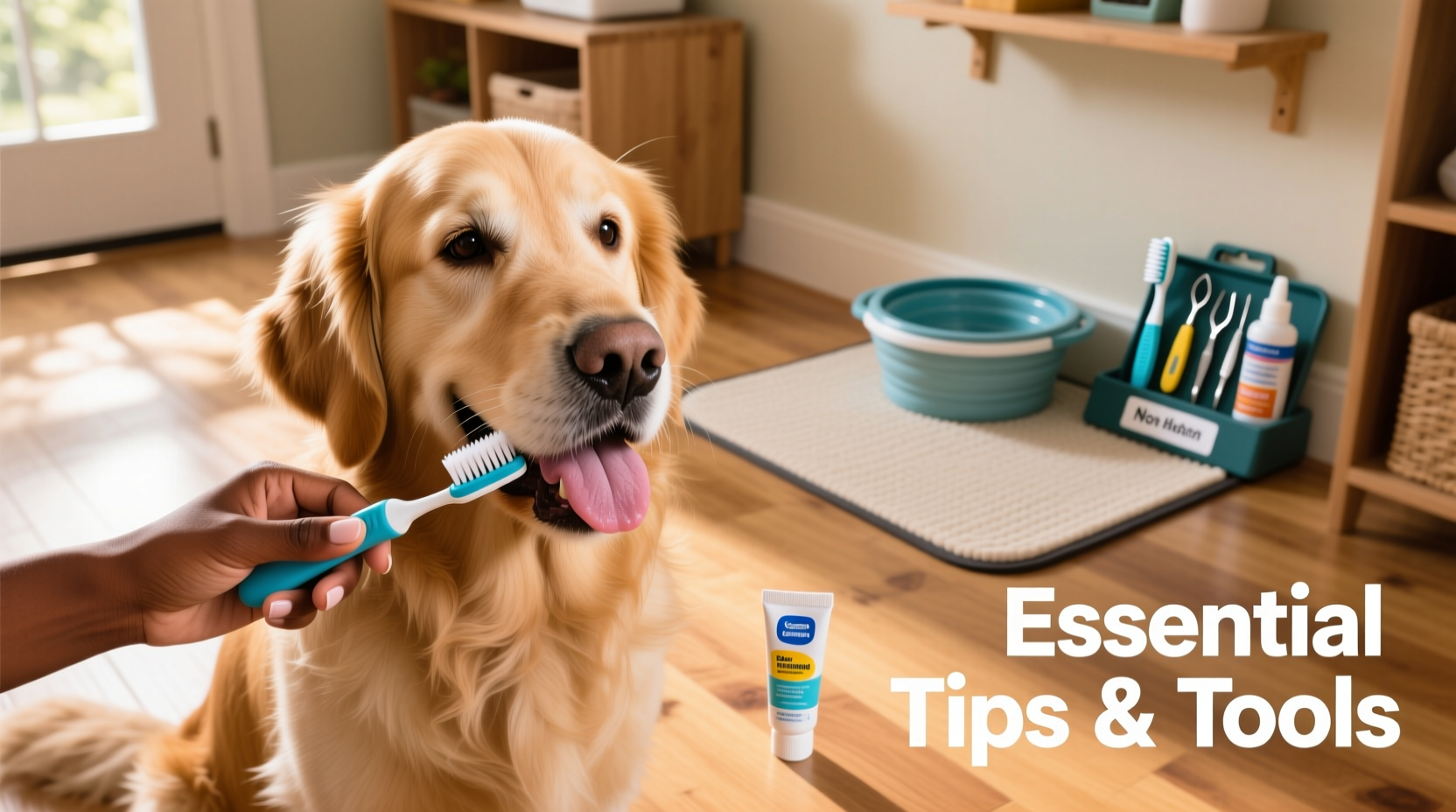
Professional veterinary cleanings are important, but they’re typically recommended only once a year and don’t address daily plaque buildup. Plaque begins forming within hours after eating and hardens into tartar in as little as 48 hours. Once tartar sets in, it can only be removed through scaling—usually under anesthesia. Regular brushing disrupts this cycle before it escalates.
Good oral hygiene supports not only gum health but also long-term vitality. Dogs with chronic dental infections may experience pain while eating, weight loss, and behavioral changes due to discomfort. By maintaining clean teeth at home, owners significantly reduce the risk of costly procedures and unnecessary suffering.
“Daily brushing is the gold standard for preventing periodontal disease in dogs. No chew or rinse can replace mechanical plaque removal.” — Dr. Laura Greensmith, Board-Certified Veterinary Dentist
Essential Tools for Safe Dog Teeth Brushing
Using the correct supplies makes a dramatic difference in effectiveness and comfort. Human toothpaste contains ingredients like fluoride and xylitol, which are toxic to dogs. Similarly, human toothbrushes are too large and abrasive for a dog’s mouth. Always use products designed specifically for pets.
| Tool | Purpose | Recommended Options |
|---|---|---|
| Canine Toothbrush | Fits small mouths; angled heads reach back teeth | Double-headed brushes, finger brushes, or tapered bristle models |
| Enzymatic Dog Toothpaste | Breaks down plaque without needing vigorous scrubbing | Flavors: poultry, peanut butter, beef (avoid mint for picky eaters) |
| Training Gauze Pads | Gentle introduction tool for resistant dogs | Wrap around finger; moisten with water or broth |
| Positive Reinforcement Treats | Rewards cooperation and builds positive association | Low-calorie, soft treats given post-brushing |
Step-by-Step Guide to Brushing Your Dog’s Teeth
Success hinges on gradual training. Rushing the process can create fear and resistance. Follow this timeline to build trust and consistency:
- Day 1–3: Touch Acclimation – Gently lift your dog’s lips and touch their teeth and gums for a few seconds. Reward immediately. Do this several times a day.
- Day 4–6: Introduce the Paste – Let your dog lick enzymatic toothpaste off your finger. Then apply a small smear to their front teeth using your fingertip.
- Day 7–9: Add the Tool – Swap your finger for a gauze pad or finger brush coated with paste. Gently rub along the gumline where teeth meet gums—the most critical area for plaque control.
- Day 10–14: Begin Brushing – Use a proper dog toothbrush at a 45-degree angle to the gumline. Focus on the outer surfaces of the back molars and premolars, where tartar accumulates fastest. Aim for 5–10 seconds per side initially.
- Week 3+: Build Duration & Frequency – Gradually increase brushing time to 30 seconds per side. Ideally, brush daily. If that’s not feasible, aim for at least four times per week.
Always end sessions positively—even if incomplete. Never force your dog. If they pull away, pause and try again later. Patience yields better long-term results than persistence through resistance.
Common Mistakes to Avoid
- Skipping acclimation: Jumping straight to brushing causes anxiety and avoidance.
- Using human toothpaste: Xylitol, commonly found in human formulas, is lethal to dogs even in small doses.
- Brushing too hard: Aggressive scrubbing damages delicate gum tissue and increases sensitivity.
- Focusing only on front teeth: The majority of dental disease occurs on the sides and back of the mouth.
- Ignoring warning signs: Redness, swelling, bleeding gums, or reluctance to eat require veterinary evaluation.
Real-Life Example: Training a Senior Rescue Dog
Milo, a 7-year-old mixed breed rescued from a shelter, arrived with severe halitosis and yellowed teeth. His new owner, Sarah, was advised to begin brushing but found Milo growling and turning his head away. Instead of forcing the issue, she spent two weeks simply touching his muzzle and rewarding calm behavior. She introduced chicken-flavored toothpaste gradually, letting him lick it from her finger. After ten days, she used a gauze pad wrapped around her finger to wipe his front teeth. Within three weeks, Milo allowed a soft-bristled brush for short sessions. Six months later, his vet noted reduced inflammation and no new tartar buildup. The key? Consistency without coercion.
Checklist: Preparing for Your First Brushing Session
- Buy enzymatic dog toothpaste in a flavor your dog likes
- Select an appropriate toothbrush or finger brush
- Choose a quiet time when your dog is relaxed
- Have high-value treats ready for rewards
- Practice lip-lifting and gum-touching for several days
- Start with short durations—aim for progress, not perfection
- Monitor for signs of discomfort or aggression
- Track progress weekly in a journal or app
Frequently Asked Questions
How often should I brush my dog’s teeth?
Daily brushing is ideal for maximum plaque prevention. However, brushing at least four times per week still provides significant protection. Less frequent brushing offers minimal benefit.
My dog hates having his teeth brushed—what alternatives exist?
While brushing is most effective, alternatives include dental chews approved by the Veterinary Oral Health Council (VOHC), water additives, and dental diets. These should complement—not replace—a brushing routine when possible.
Can I use a regular toothbrush from the store?
No. Human toothbrushes have stiffer bristles and larger heads that can injure your dog’s gums and are difficult to maneuver. Always use a toothbrush designed for dogs, sized appropriately for your pet’s breed.
Final Thoughts: Make Oral Care a Routine Habit
Brushing your dog’s teeth may seem daunting at first, but with the right approach, it becomes a simple, bonding part of your daily routine. The investment of just a few minutes each day can prevent painful conditions, extend your dog’s lifespan, and save hundreds in veterinary bills. Start slow, stay consistent, and celebrate small wins. Over time, both you and your dog will adapt—and your pet’s smile will thank you.
💬 Have a tip that helped your dog accept toothbrushing? Share your experience below and help fellow pet owners build healthier routines!








