For pet lovers with a knack for grooming and entrepreneurship, launching a mobile dog grooming business offers flexibility, strong earning potential, and direct client engagement. Unlike traditional salons, mobile services bring convenience to pet owners—saving them time and reducing stress for their dogs. But turning this idea into a thriving enterprise requires more than just skill with clippers. It demands strategic planning, smart investment, and consistent customer service. Here’s how to build a mobile grooming business that stands out, scales efficiently, and earns loyal clients.
1. Develop a Solid Business Plan
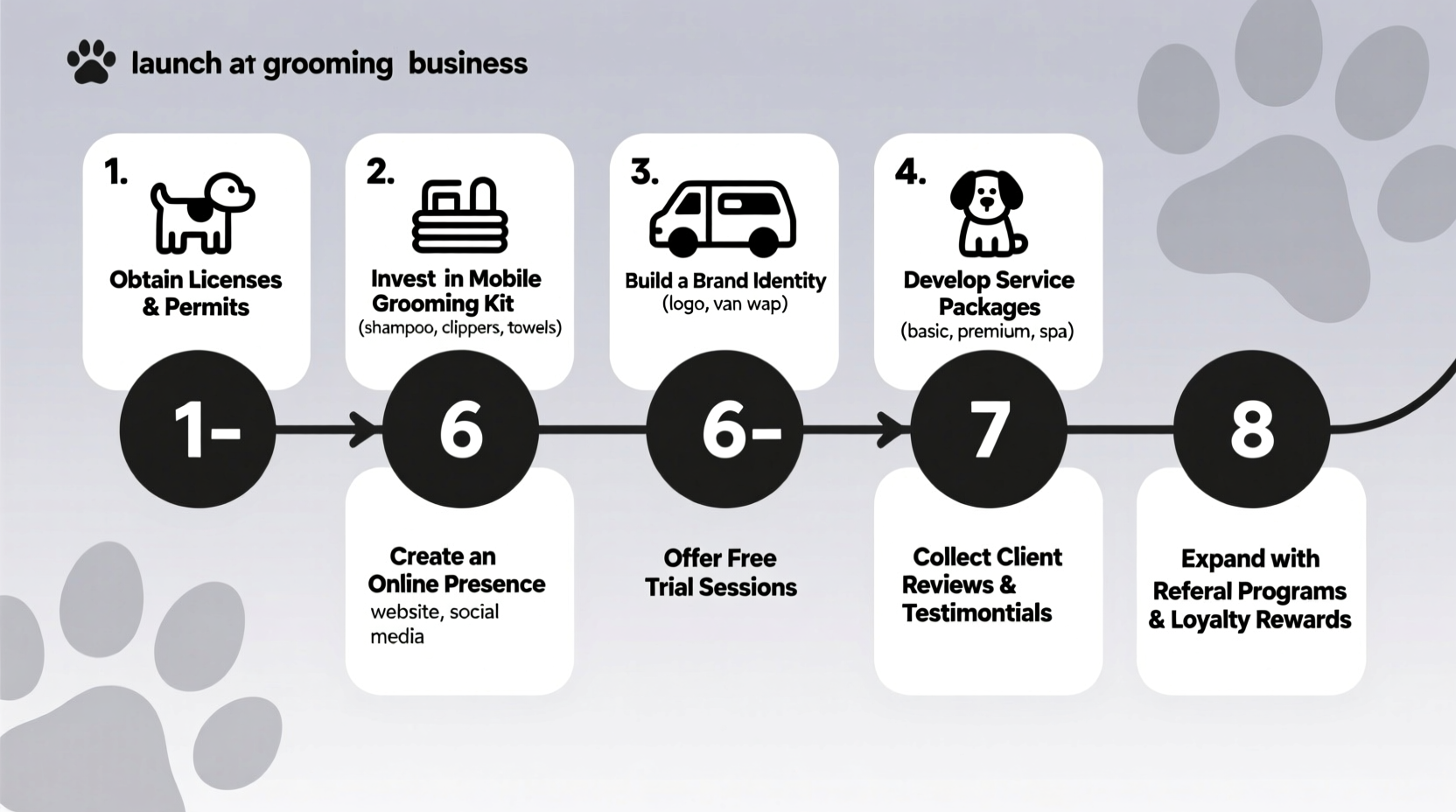
A clear business plan is the foundation of any successful venture. It outlines your vision, identifies your target market, defines your services, and projects financials. Start by researching local demand: Are there underserved neighborhoods? Do nearby groomers have long waitlists or poor reviews? Use these insights to position your business as a premium, convenient alternative.
Your plan should include:
- Service offerings: Full grooming, bathing only, de-shedding, nail trims, etc.
- Pricing strategy: Competitive yet profitable rates based on breed size and service complexity.
- Target audience: Busy professionals, seniors, multi-pet households, or luxury pet owners.
- Startup costs: Vehicle, equipment, licensing, insurance, branding.
- Revenue projections: Estimate income based on daily appointments and average ticket value.
2. Choose and Customize the Right Vehicle
The mobile aspect of your business hinges on a reliable, well-equipped van or trailer. This isn’t just transportation—it’s your salon on wheels. Prioritize functionality, safety, and comfort for both pets and groomer.
Key considerations when selecting and outfitting your vehicle:
- Size and layout: A high-roof cargo van (like a Mercedes Sprinter or Ford Transit) provides ample standing room and space for water tanks, generators, and grooming tables.
- Plumbing and power: Install fresh and waste water tanks, a water heater, and either a quiet onboard generator or lithium battery system.
- Ventilation and climate control: Dogs are sensitive to heat and humidity. Include roof vents, fans, and ideally, an HVAC unit.
- Branding: Wrap the exterior with eye-catching graphics that display your logo, contact info, and tagline like “Grooming Comes to You!”
Maintenance is critical. Schedule regular inspections for plumbing, electrical systems, and tire safety. A breakdown mid-route can cost you credibility and revenue.
3. Obtain Licenses, Insurance, and Certifications
Operating legally protects your business and builds trust. Requirements vary by state and municipality, but generally include:
| Requirement | Description | Why It Matters |
|---|---|---|
| Business License | Issued by city or county for legal operation | Required to open and advertise |
| Sales Tax Permit | Needed if charging sales tax on services | Compliance with state regulations |
| Liability Insurance | Covers injury or damage claims | Protects against lawsuits from pet incidents |
| Commercial Auto Insurance | For business-use vehicles | Standard policies don’t cover commercial use |
| Grooming Certification | From accredited schools (e.g., National Dog Groomers Association) | Builds client confidence in your expertise |
“Clients want to know their pets are in safe hands. Having certifications and visible insurance gives peace of mind before they even book.” — Dana Reyes, Founder of Paws on Wheels Mobile Grooming, Austin, TX
4. Build Clientele and Marketing Strategy
Even the best-equipped van won’t succeed without customers. Start locally and leverage personal networks. Door-to-door flyers in pet-friendly neighborhoods, partnerships with veterinarians, and pet supply stores can generate early leads.
Digital presence is non-negotiable. Create a professional website with booking integration, service descriptions, pricing, and testimonials. Optimize it for local SEO using keywords like “mobile dog grooming near me” or “dog groomer in [City].”
Use social media strategically:
- Post before-and-after grooming photos (with owner permission).
- Share short videos of calm, happy dogs during sessions.
- Run targeted Facebook and Instagram ads in your service radius.
Real Example: From Side Hustle to Six-Figure Business
Jamie Lin launched her mobile grooming service in Denver with a used cargo van and $18,000 in savings. She started by offering discounted baths to friends’ pets and posting results on Nextdoor. Within three months, she had 20 recurring clients. By year two, she’d added a second van, hired a part-time groomer, and implemented online scheduling via Square Appointments. Today, her business averages $110,000 annually with a 92% client retention rate. Her secret? Consistency, cleanliness, and treating every dog like family.
5. Deliver Exceptional Service and Scale Smartly
Success in mobile grooming depends on reliability, hygiene, and emotional intelligence. Dogs react to energy—stay calm, patient, and attentive. Always communicate clearly with owners about skin conditions, matted fur, or behavioral notes.
Operational efficiency matters. Stick to appointment windows (typically 1–1.5 hours per dog), maintain a clean vehicle between visits, and keep detailed client records. Use apps like HoneyBook or Jobber to manage scheduling, invoicing, and follow-ups.
When ready to scale:
- Hire trained groomers and equip a second vehicle.
- Introduce subscription plans (e.g., monthly bath and trim).
- Expand service zones gradually—don’t stretch too thin too fast.
- Offer add-ons like teeth brushing, paw balm, or flea treatments for higher margins.
Checklist: Launch Your Mobile Grooming Business in 8 Steps
- Research local market demand and competition.
- Create a detailed business plan with pricing and financial goals.
- Choose and customize a reliable, fully equipped van.
- Obtain business license, insurance, and grooming certification.
- Design a professional brand (logo, website, van wrap).
- Launch marketing: local outreach, social media, and online listings.
- Start with soft launch and collect testimonials.
- Refine operations and scale based on client feedback and capacity.
Frequently Asked Questions
How much does it cost to start a mobile dog grooming business?
Startup costs typically range from $30,000 to $70,000, depending on whether you buy a new or used vehicle and the level of customization. Equipment (grooming table, tub, dryer, generator) adds $8,000–$15,000. Lower-cost entry is possible with a trailer towed by a personal truck, starting around $15,000.
Is mobile dog grooming profitable?
Yes. With average service prices between $60 and $120 per dog, working five days a week with four appointments daily yields $60,000–$120,000 annually. After expenses, net profit margins often reach 30–50%, especially as recurring clients reduce marketing costs over time.
Do I need formal grooming training?
While not legally required everywhere, professional training is strongly recommended. It improves technique, safety, and client trust. Programs from institutions like the National Dog Grooming Association of America (NDGAA) or local trade schools provide hands-on experience and certification.
Conclusion: Turn Passion Into a Sustainable Business
Launching a mobile dog grooming business blends craftsmanship with entrepreneurship. It starts with preparation—choosing the right vehicle, getting licensed, and building a reputation for excellence. Growth comes from consistency, marketing savvy, and a genuine love for animals. Every wagging tail after a grooming session is a testament to your work. If you’re ready to invest the time and care, this business can offer freedom, fulfillment, and steady income—all while making life easier for pet owners and more comfortable for their furry companions.
🚀 Ready to get started? Map out your first three steps today—research your van options, check local licensing requirements, and draft your service menu. The road to success begins with one appointment at a time.








