A pet collar is more than just an accessory—it's a vital piece of equipment that ensures your dog or cat can be identified, restrained when necessary, and protected in emergencies. Yet many pet owners overlook the importance of proper selection and fitting, risking discomfort, injury, or even escape. With so many styles, materials, and safety mechanisms available, making the right choice requires knowledge and attention to detail. This guide walks you through every critical aspect of selecting and securing a collar that keeps your pet safe, comfortable, and identifiable at all times.
Understanding Collar Types and Their Uses
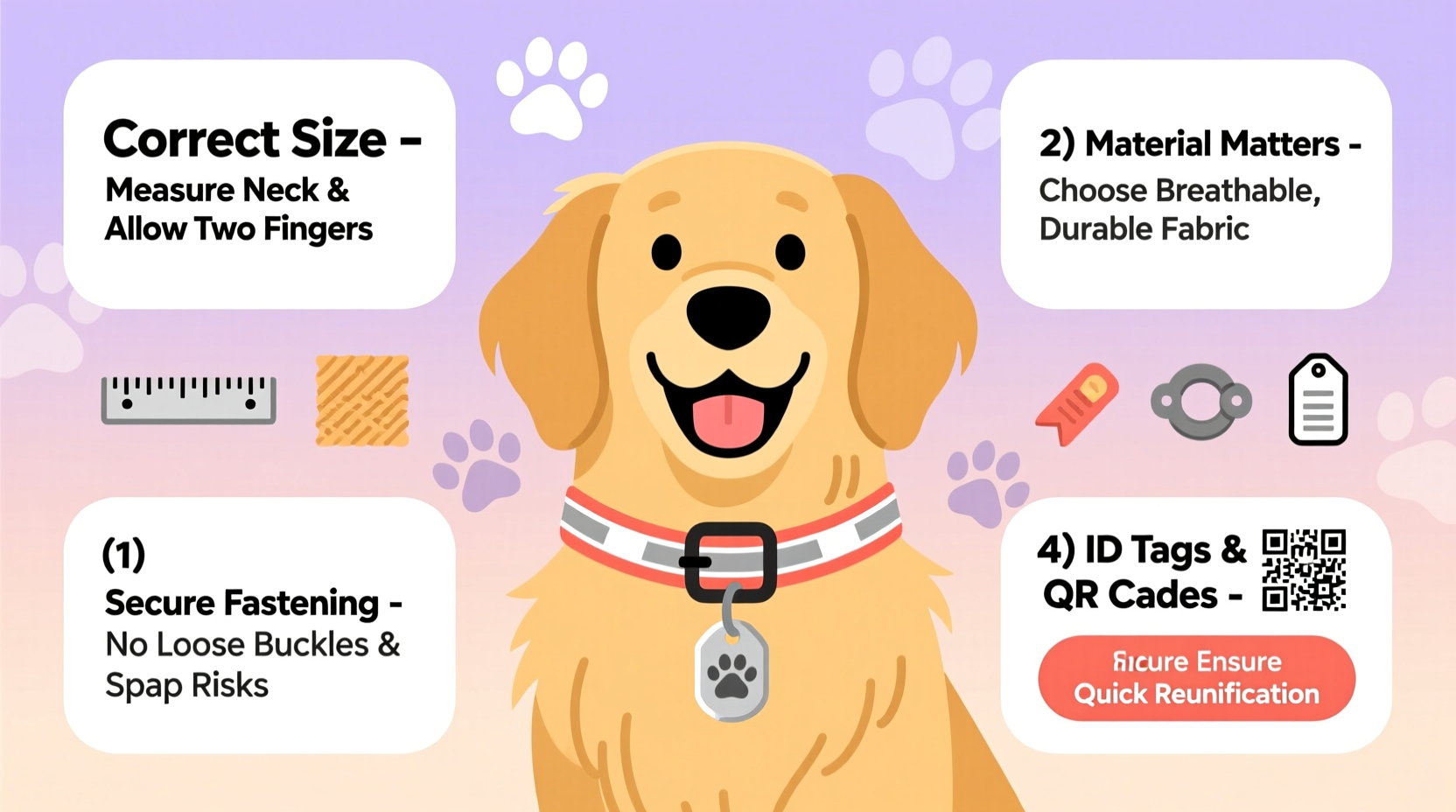
Not all collars serve the same purpose. The best choice depends on your pet’s species, breed, size, behavior, and lifestyle. Here are the most common types:
- Flat/Buckle Collars: The standard option for daily wear, ideal for attaching ID tags and leashes. Suitable for well-behaved dogs and cats.
- Harness-Compatible Collars: Often used in tandem with harnesses, especially for dogs that pull. These reduce neck strain during walks.
- Breakaway Collars: Designed for cats and small pets. They release under pressure to prevent choking if snagged on furniture or branches.
- Martingale Collars: Ideal for dogs with narrow heads (like Greyhounds) that can slip out of traditional collars. Tightens slightly under tension but doesn’t choke.
- Reflective/Night-Safety Collars: Feature reflective stitching or LED lights for visibility during evening walks.
- GPS or Smart Collars: Include tracking devices or health monitors. Useful for adventurous pets or those with medical conditions.
How to Choose the Right Material
The material affects durability, comfort, and safety. Consider your pet’s activity level and environment when selecting:
| Material | Pros | Cons |
|---|---|---|
| Nylon | Durable, water-resistant, affordable | Can fray over time; may irritate sensitive skin |
| Leather | Strong, breathable, ages well | Requires maintenance; not ideal for wet climates |
| Neoprene | Soft, waterproof, hypoallergenic | Less durable; better for short-term use |
| Polyester Webbing | Lightweight, colorfast, easy to clean | May stretch under heavy load |
| Biothane | Extremely durable, wipe-clean, odor-resistant | Higher cost; less flexible initially |
For pets with allergies or sensitive skin, opt for non-toxic dyes and seamless linings. Avoid cheap plastic hardware that can crack or rust.
Finding the Perfect Fit: A Step-by-Step Guide
A poorly fitted collar can cause chafing, restrict breathing, or allow escape. Follow these steps to ensure a secure yet comfortable fit:
- Measure Your Pet’s Neck: Use a soft tape measure behind the ears and just above the shoulders. Add 1–2 inches for growing room (especially in puppies).
- Check the Two-Finger Rule: Once the collar is on, you should be able to slide two fingers comfortably underneath. If more than two fingers fit, it’s too loose.
- Inspect Movement: Watch your pet move around. The collar shouldn’t shift excessively or rub against their fur.
- Monitor Skin Health: Check weekly for redness, hair loss, or irritation—signs of friction or poor fit.
- Adjust as Needed: Puppies grow quickly; re-evaluate fit every few weeks. Adult pets may need adjustments after weight changes.
Safety Features That Can Save Your Pet’s Life
Modern collars come with innovative safety mechanisms. Knowing which ones matter can make all the difference in an emergency.
- Breakaway Buckles: Essential for cats. These release under sudden force, preventing strangulation if caught on railings or trees.
- Quick-Release Clasps: Allow fast removal in emergencies without fumbling. Look for reinforced plastic or metal clips.
- Reflective Elements: Improve visibility during nighttime walks, reducing accident risks near roads.
- QR Code Tags: Link to digital profiles with medical info, owner contact, and microchip details—no need to worry about worn-out engravings.
“Over 15% of lost pets never return home. A secure, visible collar with up-to-date ID doubles the chances of a safe reunion.” — Dr. Lena Peterson, DVM, American Veterinary Medical Association
Real Example: How a Breakaway Collar Saved a Cat’s Life
Sophie, a curious indoor-outdoor tabby, once got her collar caught on a fence latch while exploring her backyard. Her owner found her struggling, pawing at her neck. Fortunately, she wore a breakaway collar that snapped open under pressure. Though shaken, Sophie was unharmed. A traditional buckle collar could have led to serious injury—or worse. This incident prompted her owner to switch all her pets to certified breakaway designs and add reflective strips for added safety.
Essential Checklist Before Buying a Collar
Use this checklist to ensure you’re making a responsible, informed decision:
- ✅ Does the collar suit my pet’s species and behavior?
- (e.g., breakaway for cats, martingale for sighthounds)
- ✅ Is the material durable and appropriate for my climate?
- (Avoid leather in rainy areas unless treated)
- ✅ Does it include secure ID attachment?
- (D-ring must be welded or riveted, not stitched)
- ✅ Is the fit adjustable and currently correct?
- (Apply the two-finger test after putting it on)
- ✅ Are safety features present where needed?
- (Breakaway, reflective trim, quick-release)
- ✅ Is it labeled with up-to-date identification?
- (Include name, phone number, and “microchipped” if applicable)
Frequently Asked Questions
Should I leave my pet’s collar on all the time?
For dogs, yes—provided it fits well and doesn’t pose a snag hazard. For cats, only use breakaway collars if worn continuously. Remove decorative or non-breakaway collars when unsupervised. Rotate collars weekly to prevent skin irritation from constant pressure.
What’s better: a collar or a harness?
Both have roles. Collars are essential for ID tags and light control. Harnesses distribute force across the chest, reducing tracheal stress—ideal for walking dogs that pull or have respiratory issues. Use both together for maximum safety and identification.
How often should I replace a pet collar?
Inspect monthly for fraying, weakened stitching, or damaged hardware. Replace immediately if compromised. Even high-quality collars should be replaced every 6–12 months with regular use, especially for active pets.
Final Thoughts: Responsibility Starts with the Right Collar
Choosing a safe pet collar isn’t just about compliance or convenience—it’s a fundamental act of care. From material strength to fit precision and emergency release mechanisms, each detail contributes to your pet’s well-being. Whether you’re outfitting a playful kitten or a loyal family dog, take the time to research, measure, and test. Remember, the simplest accessory can become the most important safeguard.
🚀 Your pet’s safety begins today. Re-examine their current collar, update ID tags, and share this guide with fellow pet owners. Together, we can ensure every furry friend returns home safely.








