Knitwear adorned with rhinestones blends comfort with glamour, making it a favorite for both casual and formal occasions. However, the combination of fragile yarns and delicate embellishments demands special attention. Improper handling can lead to stretched seams, snagged fibers, loose stones, or dull finishes. Preserving these garments isn’t just about cleanliness—it’s about maintaining their structure, luster, and integrity over time. With thoughtful care, your favorite sparkling knits can remain radiant and wearable for seasons to come.
Understanding the Vulnerabilities of Rhinestone Knitwear
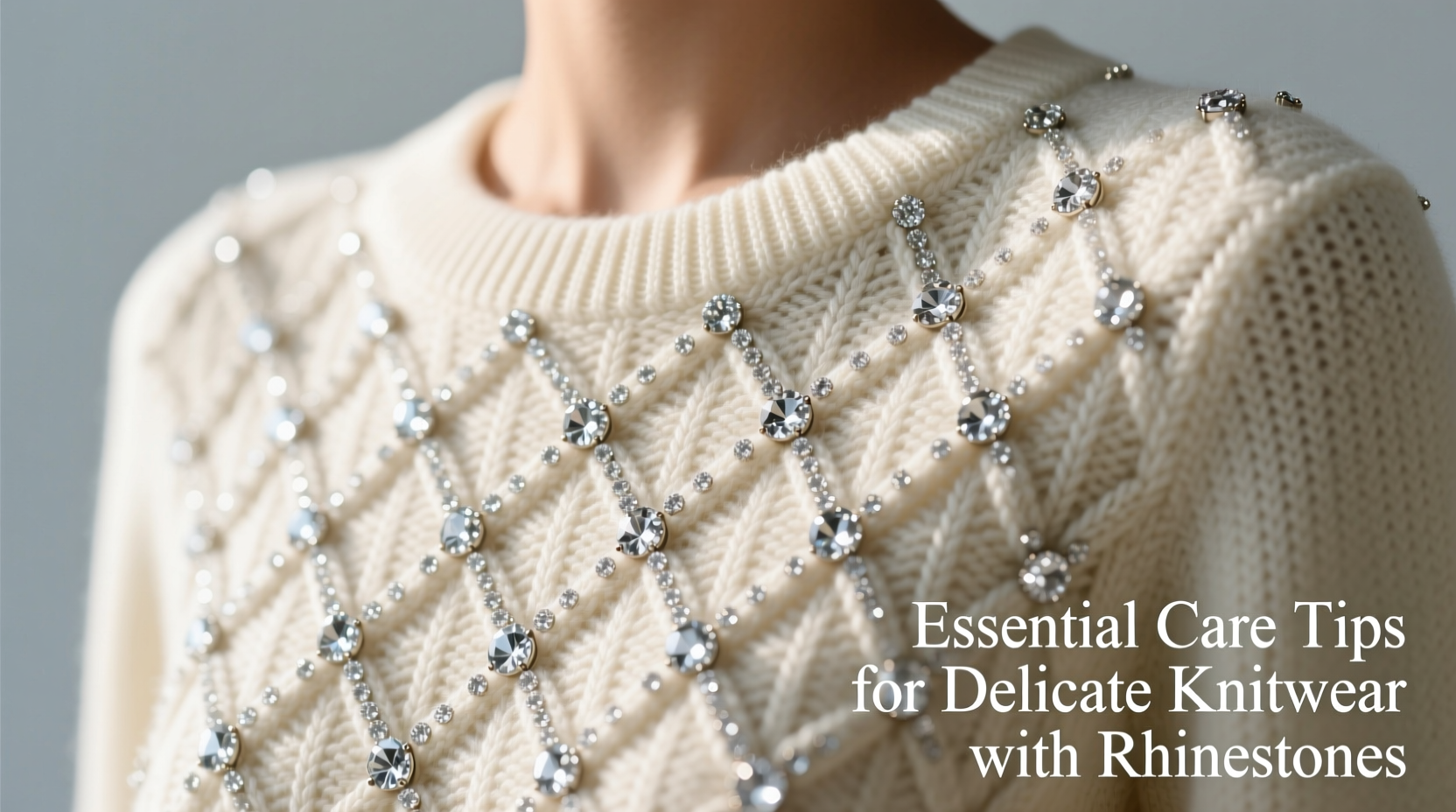
Knit fabrics are inherently flexible, which makes them comfortable but also prone to stretching and distortion. When rhinestones are added—whether glued, sewn, or heat-applied—they create stress points on the fabric. The weight and rigidity of the stones contrast sharply with the softness of the knit, increasing the risk of pulls or tears during wear or cleaning.
Rhinestones themselves vary in durability. Glass stones tend to retain brilliance but are brittle; acrylic versions are lighter but may yellow or scratch. Metal settings can tarnish, especially when exposed to moisture or chemicals. The adhesives used in some applications degrade over time, particularly when subjected to heat or agitation.
“Rhinestone embellishments add beauty, but they turn a simple sweater into a composite textile system. Each material responds differently to stress, so care must be holistic.” — Dr. Lena Moreau, Textile Conservation Specialist, Royal School of NeedleworkTip: Always check garment labels and test any cleaning method on an inconspicuous area first.
Washing: Gentle Methods That Work
Cleaning rhinestone knitwear requires a balance between removing dirt and protecting construction. Machine washing—even on gentle cycles—often leads to misshapen sweaters and dislodged stones due to tumbling and spin forces.
Hand washing is the safest method. Use cool water (never hot) and a mild detergent formulated for delicates or wool. Avoid bleach, enzymes, or optical brighteners, which can cloud rhinestones or weaken fibers.
Step-by-Step Hand Washing Guide
- Fill a clean basin with cool water and add a small amount of wool-safe detergent.
- Submerge the garment and gently press it down. Do not rub, twist, or wring.
- Let it soak for 5–10 minutes, depending on soiling level.
- Drain the water and refill with clean cool water to rinse. Repeat until suds disappear.
- Press water out by pressing the garment against the basin sides—never lift it while wet.
- Lay flat on a dry towel, roll to absorb excess moisture, then reshape and air-dry away from sunlight.
Drying and Reshaping: Maintaining the Silhouette
Air drying flat is non-negotiable for knitwear. Hanging causes elongation along the shoulders and sleeves, distorting the original cut. To ensure accurate recovery:
- Use a mesh drying rack or a clean, dry towel on a flat surface.
- Gently reshape the garment to its original dimensions—align seams, smooth cuffs, and collar.
- Keep it away from direct heat sources like radiators or vents, which can melt adhesive or set wrinkles.
- Allow 24–48 hours for complete drying, depending on thickness.
For structured pieces, consider using blocking mats and rust-proof pins to maintain precise measurements. This is especially useful for cardigans or open-knit designs where symmetry matters.
Storage Solutions to Prevent Damage and Tarnishing
How you store rhinestone knitwear impacts both fabric integrity and sparkle retention. Folding improperly can crease delicate areas, while overcrowding leads to friction and snagging.
| Do | Don't |
|---|---|
| Fold neatly and store flat in a breathable cotton drawer liner or shelf | Hang long-term, especially heavy or embellished pieces |
| Place tissue paper between folds to prevent pilling and pressure marks | Store in plastic bags that trap moisture and promote mildew |
| Use padded hangers only for short-term display, never for storage | Stack heavy items on top of delicate knits |
| Keep away from humidity and direct sunlight to protect both yarn and stones | Store near perfumes, lotions, or cleaning products that emit vapors |
Handling Wear and Minor Repairs
Even with careful use, minor issues arise. Loose threads should be secured with a needle and matching thread—never pulled. If a rhinestone detaches, save it and reattach using fabric glue designed for embellishments (e.g., E6000 or Gem-Tac). Apply sparingly to avoid seepage onto surrounding fibers.
Snags can often be corrected from the reverse side using a crochet hook to gently pull the loop back through without breaking the yarn. For runs in fine knits, clear nail polish can temporarily stabilize the area until professional repair is possible.
Mini Case Study: Recovering a Cherished Evening Sweater
Sophie, a stylist in Vancouver, owned a black cashmere-blend cardigan with silver rhinestones along the neckline. After wearing it to several events, she noticed the shoulders had stretched and two stones were missing. Instead of discarding it, she hand-washed it in cool water with baby shampoo, laid it flat on a blocking mat, and gently pinned it to original measurements. She then visited a local tailor who reattached the stones using heat-set adhesive. The sweater regained its form and sparkle, extending its life by over two years. “It’s my go-to piece now,” she says. “I realize I just needed to treat it like the investment it was.”
Care Checklist: Monthly Maintenance Routine
- Inspect for loose stones or threads
- Vacuum gently with a lint roller or low-suction setting using a mesh screen
- Spot clean stains immediately with damp cloth and mild soap
- Rotate stored knitwear to prevent permanent creases
- Reassess storage conditions for humidity and light exposure
Frequently Asked Questions
Can I steam rhinestone knitwear to remove wrinkles?
Use extreme caution. Hold the steamer at least 6 inches away and avoid direct contact. Excessive moisture or heat can loosen adhesive or distort synthetic fibers. Test on an inner seam first. For most pieces, reshaping while damp is safer than steaming.
How often should I clean rhinestone knitwear?
Only when necessary—typically after 3–5 wears, depending on use. Over-cleaning accelerates wear. Spot clean between full washes and air out after wearing to reduce odor buildup.
Is dry cleaning safe for rhinestone knits?
Some dry cleaners specialize in delicate garments and use gentler solvents. However, chemical exposure can degrade adhesives over time. If opting for dry cleaning, choose a reputable service with experience in embellished textiles and request that they cover stones during processing.
Conclusion: Care as an Act of Appreciation
Delicate knitwear with rhinestones represents craftsmanship, personal style, and emotional value. Treating these pieces with consistent, informed care honors their design and extends their story. From mindful washing to strategic storage, each step protects both the fabric’s drape and the stones’ shimmer. These garments deserve more than occasional attention—they thrive on routine respect.
💬 What’s your favorite rhinestone knit, and how do you keep it looking fresh? Share your experiences and tips—we’re all learning how to cherish fashion more sustainably.








