For decades, pet owners have turned to elevated dog bowls under the assumption that raising a dog’s food and water off the ground promotes better digestion and reduces the risk of bloat—a life-threatening condition known as gastric dilatation-volvulus (GDV). But does the science back this up? And could using an elevated feeder actually do more harm than good for some dogs? The answer is not as straightforward as marketing would have you believe. While elevated bowls may benefit certain breeds or dogs with specific medical conditions, emerging research suggests they might increase bloat risk in others. This article dives into the evidence, expert opinions, and practical considerations to help you make an informed decision about your dog’s feeding setup.
The Myth of the “Ideal” Feeding Height
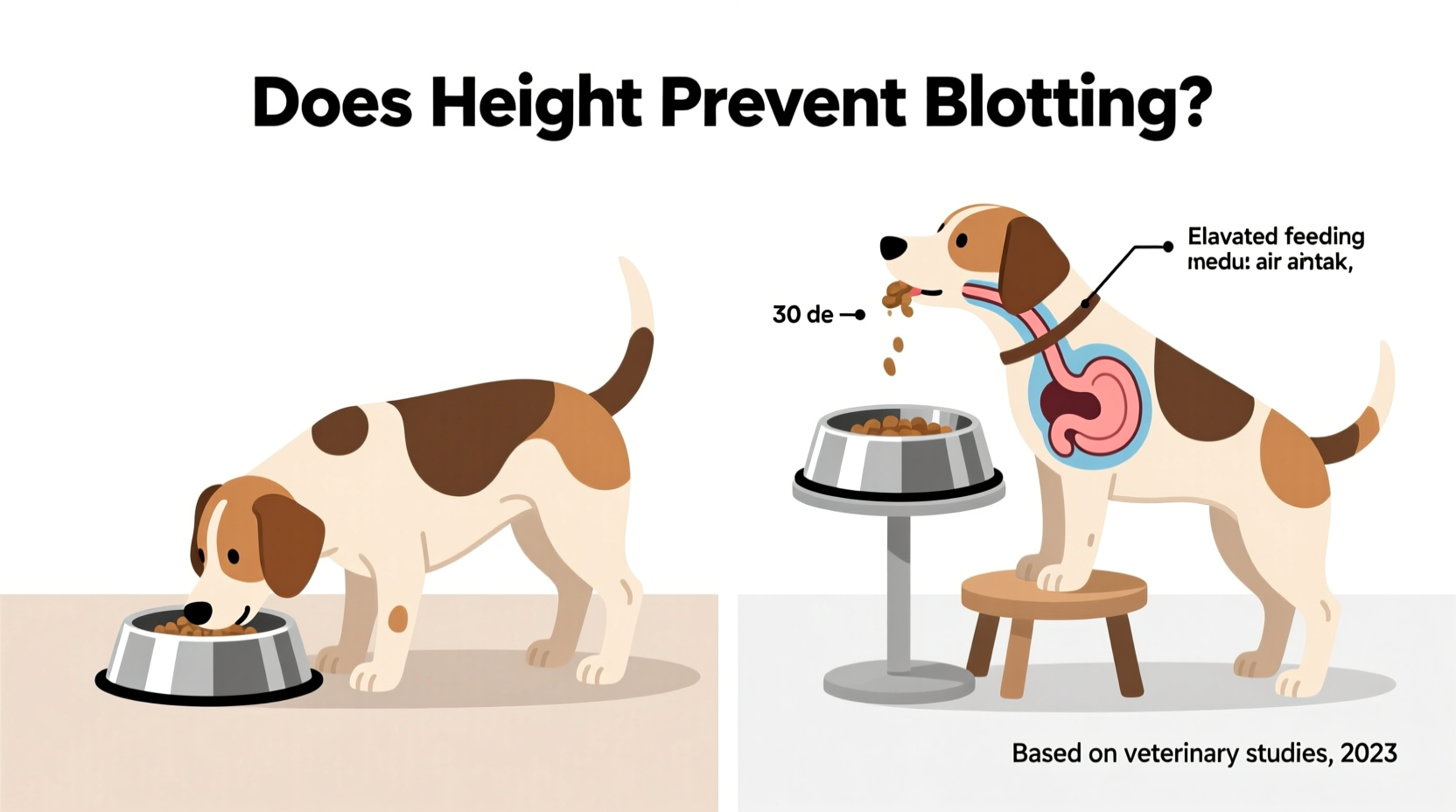
The idea behind elevated feeders is simple: by raising food and water bowls to chest level, dogs don’t have to bend down, which supposedly reduces strain on their joints, spine, and digestive tract. Proponents argue this posture minimizes air swallowing during meals—believed to be a contributing factor to bloat. However, this logic has been challenged by veterinary studies over the past two decades.
A landmark 2000 study published in the Journal of the American Veterinary Medical Association analyzed data from over 1,000 dogs and found that large and giant breed dogs fed from raised bowls were at a significantly higher risk of developing GDV. Specifically, using an elevated feeder was associated with a doubling of bloat risk in predisposed breeds like Great Danes, Irish Setters, and Standard Poodles. The study concluded that elevation did not protect against bloat—and in fact, may encourage faster eating and increased air intake.
“While it seems intuitive that raising the bowl would reduce strain and improve digestion, the data tells a different story. In high-risk breeds, elevated bowls may contribute to rapid ingestion and aerophagia, both of which are linked to GDV.” — Dr. Jennifer Coates, DVM, Veterinary Advisor, PetCareRx
Understanding Bloat: What It Is and Why It Matters
Gastric dilatation-volvulus (GDV), commonly called bloat, occurs when a dog’s stomach fills with gas and then twists on itself, cutting off blood flow and trapping contents. Without emergency surgery, it is often fatal within hours. While the exact cause remains unclear, several risk factors have been identified:
- Breed: Deep-chested dogs (e.g., Doberman Pinschers, Boxers, German Shepherds) are at higher risk.
- Age: Risk increases after age 7.
- Eating habits: Eating one large meal daily, eating quickly, and gulping air elevate risk.
- Exercise timing: Vigorous activity within an hour before or after eating raises susceptibility.
- Genetics: A family history of GDV increases individual risk.
The misconception that bending down causes bloat likely stems from anecdotal observations. Dogs with orthopedic issues such as arthritis or hip dysplasia may visibly struggle to eat from floor-level bowls. In these cases, elevation can improve comfort—but comfort should not be confused with disease prevention.
Tip: If your dog has mobility issues, consider a slightly raised platform—not a full-height stand—to balance accessibility with safety.Comparing Elevated vs. Standard Bowls: A Practical Breakdown
To assess whether elevated bowls are right for your dog, it helps to compare them directly across key factors. The table below outlines the pros and cons of each option based on current veterinary understanding.
| Factor | Elevated Bowls | Standard Floor Bowls |
|---|---|---|
| Bloat Risk | Increased in large/giant breeds; potential for faster eating and aerophagia | Lower baseline risk; allows natural head-down posture |
| Joint & Spine Strain | May reduce neck/back stress in arthritic or senior dogs | Can exacerbate discomfort in dogs with mobility issues |
| Eating Speed | Often encourages faster consumption due to upright posture | Slower pace possible, especially with slow-feed bowls |
| Hygiene & Stability | Less spillage but more prone to tipping if poorly designed | More spillage but generally stable on flat surfaces |
| Best For | Dogs with diagnosed spinal or joint conditions (under vet guidance) | Most healthy dogs, especially deep-chested breeds |
When Elevation Might Be Appropriate: A Case-by-Case Approach
Despite the general trend in research, there are scenarios where elevated bowls offer real benefits. The key is distinguishing between medical necessity and convenience.
Consider Max, a 10-year-old Labrador Retriever diagnosed with severe hip dysplasia and spondylosis. His owner initially used a standard bowl, but Max began showing signs of discomfort during meals—whining, reluctance to lower his head, and prolonged eating times. After consulting with a veterinarian, they introduced a low-profile elevated feeder set at elbow height. Within days, Max’s mealtime behavior improved: he ate more comfortably and finished his food without hesitation.
In Max’s case, the elevation wasn’t about preventing bloat—it was about managing chronic pain. The vet emphasized that while the slight raise helped with mobility, other precautions were essential: feeding smaller, more frequent meals, using a slow-feeder bowl to prevent gulping, and avoiding exercise around mealtimes.
“The decision to use an elevated bowl should never be one-size-fits-all. It must be based on the individual dog’s health status, conformation, and behavior—not assumptions.” — Dr. Karen Becker, proactive veterinarian and animal wellness advocate
Action Plan: How to Feed Your Dog Safely
Regardless of bowl height, what matters most is how your dog eats. Here’s a step-by-step guide to minimizing bloat risk and promoting healthy digestion:
- Assess your dog’s breed and risk profile. If your dog is a large or giant breed, especially with a deep chest, treat bloat prevention as a priority.
- Feed two or three smaller meals per day. Large single meals dramatically increase GDV risk. Divide daily portions accordingly.
- Use a slow-feed bowl or puzzle feeder. These tools force dogs to eat more slowly, reducing air ingestion regardless of bowl height.
- Limit water immediately after eating. Allow small sips, but avoid letting your dog gulp large amounts right after a meal.
- Restrict vigorous activity. Avoid running, jumping, or playing for at least one hour before and two hours after meals.
- Monitor eating behavior. Watch for signs of gulping, restlessness, or abdominal distension post-meal.
- Consult your vet before using an elevated feeder. Especially for at-risk breeds, get professional input tailored to your dog.
Checklist: Choosing the Right Feeding Setup
Use this checklist to determine the safest feeding solution for your dog:
- ☑ My dog is not a high-risk breed for bloat (e.g., Great Dane, St. Bernard)
- ☑ My dog does not eat extremely fast or gulp food aggressively
- ☑ My dog has no history of gastrointestinal issues or previous bloat episodes
- ☑ If considering elevation, I’ve consulted my veterinarian first
- ☑ I am feeding multiple small meals instead of one large one
- ☑ I’m using a slow-feed design if speed is an issue
- ☑ I’ve eliminated post-meal exercise and roughhousing
Frequently Asked Questions
Do elevated bowls help with digestion?
There is no strong scientific evidence that elevated bowls improve digestion in healthy dogs. In fact, they may promote faster eating and increased air swallowing, which can worsen digestive issues. For dogs with esophageal disorders like megaesophagus, however, vertical positioning during feeding (such as in a Bailey Chair) is medically necessary to aid gravity-assisted swallowing.
Are elevated bowls bad for all dogs?
No, but they are not universally beneficial. They may be helpful for dogs with diagnosed orthopedic or neurological conditions that impair their ability to lower their heads. However, for large and giant breeds prone to bloat, the risks often outweigh the benefits. Always base the decision on veterinary advice, not trends.
What’s the safest alternative to an elevated bowl?
A standard, floor-level slow-feed bowl made of stainless steel or ceramic is typically the safest choice. Pair it with scheduled feeding times, portion control, and a calm environment to minimize stress and gulping. For dogs with mobility challenges, consider a shallow platform that raises the bowl only 2–4 inches—just enough to ease strain without encouraging an upright posture.
Final Thoughts: Prioritize Evidence Over Convenience
The debate over elevated versus standard dog bowls isn’t just about ergonomics—it’s about understanding canine physiology and respecting the data. While the appeal of a sleek, raised feeder is understandable, the goal should always be your dog’s long-term health, not aesthetic convenience.
For most dogs, especially those in high-risk categories, sticking with a floor-level feeding setup is the safer path. When mobility issues arise, work with your veterinarian to find a balanced solution—one that supports joint health without inadvertently increasing the risk of a deadly condition.
Bloat is unpredictable, but many of its triggers are within your control. By focusing on proven strategies—meal frequency, eating speed, and activity management—you take meaningful steps toward protecting your dog. Bowl height is just one variable in a much larger picture.
💬 Have experience with elevated feeders—positive or negative? Share your story in the comments to help other pet owners make informed choices.








