
Portable pet carriers are essential for travel, vet visits, and spontaneous adventures with your furry companion. But once the journey ends, many pet owners struggle with how to fold and store the carrier efficiently. A poorly stored carrier can lose its shape, develop mildew, or become difficult to unfold when needed. The good news? With a few smart habits, you can keep your carrier in top condition—ready at a moment’s notice. These practical, no-fuss techniques ensure durability, hygiene, and space-saving storage, whether you're in a studio apartment or managing a cluttered garage.
Why Proper Folding and Storage Matters
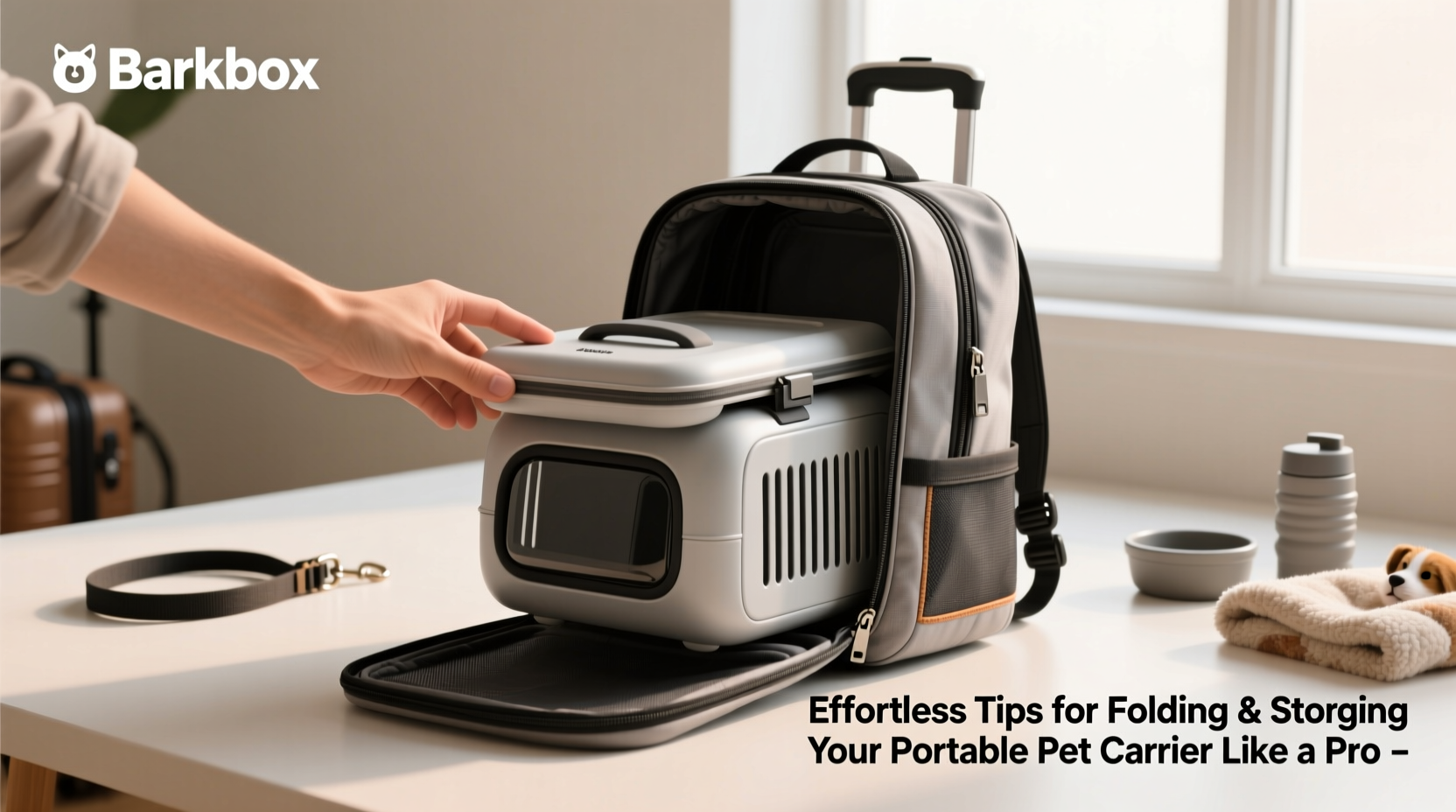
A portable pet carrier is more than just a transport tool—it's an investment in your pet’s comfort and safety. Most modern carriers are made from lightweight but structured materials like polyester mesh, rigid plastic frames, or collapsible metal supports. When not stored correctly, these components degrade faster. Creased fabric weakens over time, zippers jam, and moisture trapped in folds breeds odor and mold.
Proper storage isn’t just about tidiness; it extends the lifespan of your carrier by up to 50%, according to pet product engineers at PetLabs Innovations. “A carrier folded with care maintains structural integrity and performs better in emergencies,” says Dr. Lena Torres, a veterinary advisor specializing in pet mobility solutions.
“Just like tires on a car, repeated stress in the same fold lines wears down materials. Rotating fold patterns and cleaning before storage make a measurable difference.” — Dr. Lena Torres, DVM, Pet Mobility Consultant
Step-by-Step Guide to Folding Your Carrier Correctly
Not all carriers fold the same way. Some collapse vertically, others flatten horizontally. But regardless of design, this universal five-step process ensures a clean, damage-free fold:
- Empty and inspect: Remove all toys, blankets, and waste bags. Check pockets and seams for debris.
- Clean if needed: Wipe down interior surfaces with a pet-safe disinfectant. Let air dry completely—never fold a damp carrier.
- Release tension: Unzip all compartments. Open doors and side panels fully to relieve strain on stitching and hinges.
- Fold gradually: For soft-sided carriers, push sides inward first, then compress top and bottom. For hard-shell models, collapse frame sections one at a time following manufacturer guides.
- Secure gently: Use built-in straps or Velcro fasteners. Avoid over-tightening elastic cords that can warp fabric over time.
Smart Storage Solutions for Any Space
Where you store your carrier impacts its longevity. Temperature fluctuations, humidity, and pressure from stacked items all contribute to wear. Consider these environment-specific strategies:
- Under-bed storage: Ideal for low-humidity bedrooms. Use a breathable cotton bag to protect from dust without trapping moisture.
- Closet shelves: Store upright if possible. Avoid cramming behind winter coats where airflow is limited.
- Garage or basement: Only acceptable if climate-controlled. Otherwise, condensation risks mold growth on mesh panels.
- Car trunk: Acceptable short-term, but remove after each use. Heat buildup can warp plastic components and degrade fabrics.
Do’s and Don’ts of Carrier Storage
| Do | Don't |
|---|---|
| Store in a cool, dry place away from direct sunlight | Leave it in a hot car or sun-exposed balcony |
| Use a breathable storage sack (cotton or mesh) | Seal in plastic bins or vacuum bags |
| Elevate off concrete floors with a wooden board or shelf | Place directly on damp basement flooring |
| Rotate storage position every 2–3 months | Always fold along the same crease lines |
Real Example: How Sarah Keeps Her Carrier Ready Year-Round
Sarah, a Boston-based dog owner and frequent traveler, used to dread pulling out her foldable cat carrier for her rescue cat, Miso. “Every time I needed it, it was stuck halfway folded, smelled weird, and took ten minutes to set up,” she recalls. After switching to a routine based on expert advice, her experience transformed.
She now wipes down the carrier after each use, lets it air-dry by a window for two hours, then folds it using alternating creases. She stores it vertically in a linen closet inside a canvas tote labeled “Pet Go-Bag,” which also holds a collapsible bowl and cleanup wipes. “Now I can grab it in 30 seconds. It’s always clean, and Miso doesn’t protest going in anymore,” Sarah says. Her method saves time and reduces stress—for both of them.
Essential Checklist for Long-Term Carrier Care
Follow this monthly checklist to maintain your portable pet carrier in peak condition:
- ✅ Clean interior with pet-safe wipe or mild soap solution
- ✅ Inspect stitching, zippers, and ventilation mesh for wear
- ✅ Check frame stability (if collapsible) and lubricate joints if recommended
- ✅ Rotate fold direction to prevent permanent creasing
- ✅ Replace any worn accessories (straps, shoulder pads, floor mats)
- ✅ Store in designated, dry location away from pests and temperature extremes
Frequently Asked Questions
Can I machine wash my portable pet carrier?
Only if the manufacturer explicitly allows it. Most soft-sided carriers have structural foam or metal supports that can break in a washer. Instead, spot-clean with a damp cloth and mild detergent. Removable liners or floor mats may be machine-washable—check care labels first.
How often should I deep clean the carrier?
At minimum, perform a thorough cleaning every 3–4 months. If your pet has accidents, travels frequently, or sheds heavily, monthly cleaning is advisable. Always dry completely before folding.
What if my carrier won’t fold back properly?
This usually indicates misaligned frame wires or stiff hinges. Lay the carrier flat and manually guide each joint through its range of motion. Apply a small amount of silicone-based lubricant to pivot points (never oil-based). If the issue persists, consult the manufacturer—forcing it could cause breakage.
Final Thoughts: Make Organization Effortless
Mastering the folding and storage of your portable pet carrier doesn’t require special tools or hours of effort. It’s about consistency, attention to detail, and treating the carrier as a vital piece of pet gear—not just an occasional accessory. By integrating these simple routines, you ensure that every trip—from emergency vet visits to weekend getaways—is stress-free from the start.
A well-maintained carrier reflects how much you care. It’s ready when you are, functions reliably, and keeps your pet calm and secure. That peace of mind is worth the few extra minutes of upkeep.
💬 Have a clever storage hack or folding trick of your own? Share it in the comments below and help fellow pet parents streamline their routines!








