Yeast infections on a dog’s belly are more common than many pet owners realize. Often mistaken for allergies or simple skin irritation, these fungal overgrowths can cause discomfort, itching, and even secondary bacterial infections if left untreated. The warm, moist folds of skin on a dog’s abdomen create an ideal environment for yeast—particularly *Malassezia* species—to thrive. Recognizing the signs early and taking prompt, informed action is essential to restoring your dog’s comfort and skin health.
This comprehensive guide outlines how to identify, treat, and prevent yeast infections on your dog’s belly using veterinarian-recommended strategies, at-home care techniques, and long-term management practices. Whether you're dealing with a recurring issue or a first-time outbreak, this guide equips you with practical knowledge to support your dog’s recovery and well-being.
Understanding Canine Yeast Infections
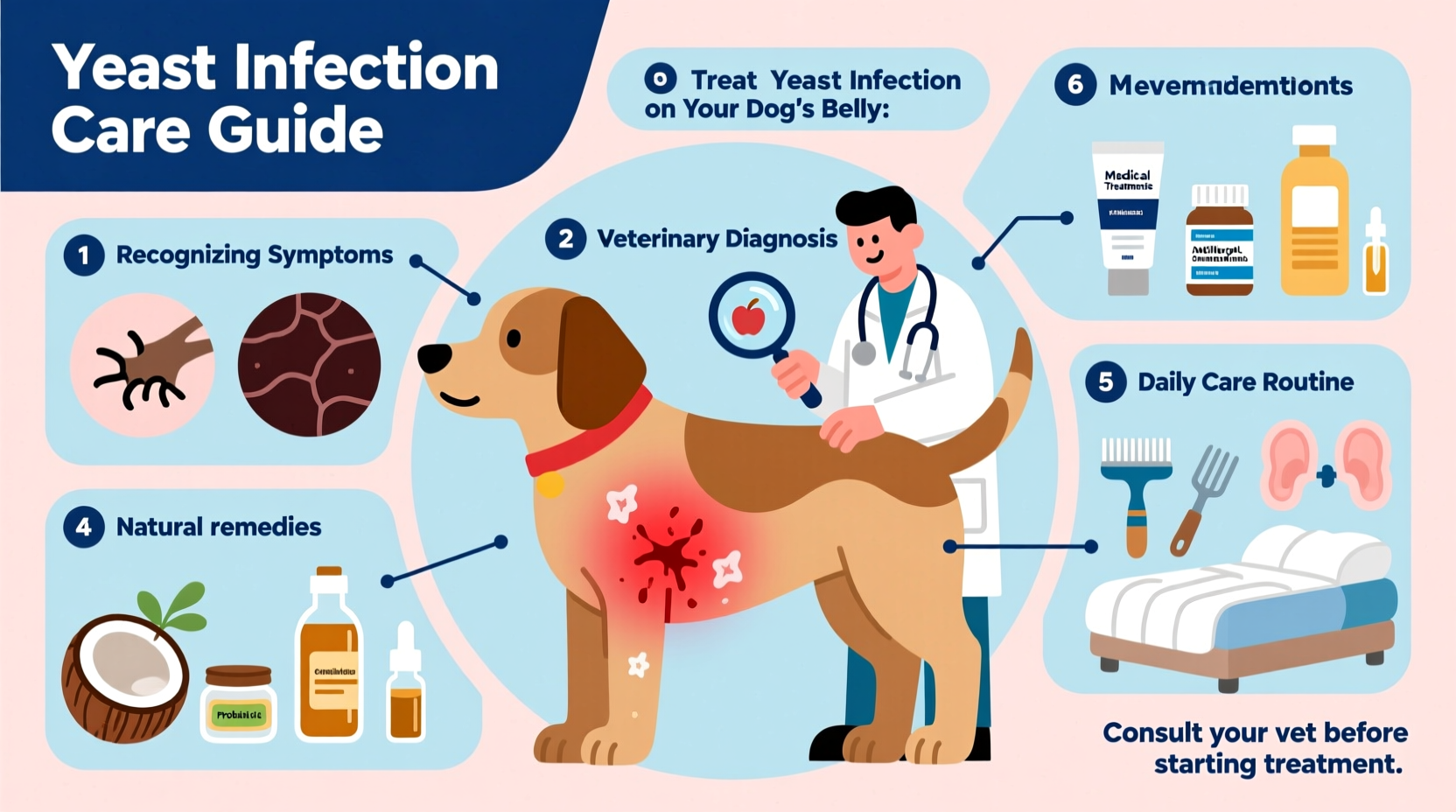
Yeast is a naturally occurring fungus found on a dog’s skin in small amounts. Problems arise when there’s an overgrowth, often triggered by underlying factors such as moisture buildup, weakened immunity, hormonal imbalances, or allergic reactions. The belly, especially in dogs with loose skin, deep folds, or obesity, is particularly vulnerable due to limited airflow and frequent contact with damp surfaces like grass or wet bedding.
Symptoms of a yeast infection on the belly include:
- Red, inflamed skin
- Persistent licking or scratching
- Greasy or scaly texture
- Musty or foul odor (often described as “corn chips”)
- Darkened or thickened skin over time
- Pimples or pustules in advanced cases
Left untreated, yeast dermatitis can spread and lead to chronic skin conditions. It’s crucial not to self-diagnose—similar symptoms may indicate bacterial infections, mange, or autoimmune disorders.
“Accurate diagnosis is the first step. What looks like yeast might be something else entirely. Always consult your vet before starting treatment.” — Dr. Laura Simmons, DVM, Veterinary Dermatology Specialist
Step-by-Step Treatment Plan
Treating a yeast infection effectively requires a multi-pronged approach: topical therapy, environmental control, and addressing root causes. Follow this timeline-based plan for optimal results.
- Day 1–2: Confirm Diagnosis
Visit your veterinarian for a skin cytology test. This involves gently swabbing or scraping the affected area to check for yeast under a microscope. - Day 3–7: Begin Topical Treatment
Use a vet-prescribed antifungal shampoo containing chlorhexidine, miconazole, or ketoconazole. Bathe your dog every 3–4 days, ensuring thorough lathering and a 10-minute contact time before rinsing. - Day 5 onward: Apply Medicated Wipes or Sprays
Use antifungal wipes with ingredients like chlorhexidine and ketoconazole twice daily on the belly fold. Keep the area dry after application. - Week 2–4: Monitor Progress and Adjust
Re-evaluate with your vet. If improvement is slow, oral antifungals like fluconazole may be prescribed. - Week 5+: Prevent Recurrence
Transition to maintenance routines, including weekly cleaning and lifestyle adjustments.
Do’s and Don’ts: Managing Yeast on Your Dog’s Belly
| Do’s | Don’ts |
|---|---|
| Keep the belly clean and dry daily | Allow your dog to lie on wet grass or damp floors |
| Use vet-approved antifungal products | Apply human creams like athlete’s foot spray (can be toxic) |
| Trim excess hair around the belly fold | Over-bathe—more than twice a week can disrupt skin pH |
| Feed a balanced, low-sugar diet | Ignore signs of recurrence; early intervention prevents flare-ups |
| Wash bedding weekly in hot water | Use scented wipes or alcohol-heavy cleaners that irritate skin |
Real-Life Example: Bella the Bulldog’s Recovery
Bella, a 4-year-old English Bulldog, was brought to her vet with persistent belly itching and a sour smell. Her owner had been treating the area with coconut oil, thinking it was dry skin. A skin scrape confirmed a severe *Malassezia* infection. The vet prescribed a ketoconazole shampoo and daily chlorhexidine wipes. Bella’s owner also started using a microfiber drying cloth after walks and switched her to a grain-free diet with added omega-3s.
Within three weeks, inflammation decreased significantly. By week six, the skin had normalized. The key turning point? Consistent drying and eliminating moisture-trapping habits. Today, Bella receives weekly belly checks and bi-weekly wipe-downs during humid months—a routine that has prevented any relapse.
Essential Care Checklist
Follow this checklist to ensure comprehensive care for your dog’s yeast infection:
- ✅ Schedule a veterinary skin cytology test
- ✅ Purchase vet-recommended antifungal shampoo
- ✅ Buy medicated wipes for daily use
- ✅ Trim hair around the infected area for better air circulation
- ✅ Wash all bedding, collars, and blankets in hot water
- ✅ Dry the belly thoroughly after baths, rain, or swimming
- ✅ Monitor diet—reduce carbohydrates and avoid sugary treats
- ✅ Recheck with the vet after two weeks of treatment
- ✅ Establish a long-term maintenance routine
Frequently Asked Questions
Can I treat my dog’s yeast infection without going to the vet?
While mild cases may respond to over-the-counter antifungal wipes and improved hygiene, self-treatment risks misdiagnosis and delayed healing. Prescription-strength medication is often necessary for moderate to severe infections. Always get a proper diagnosis first.
How long does it take to clear a yeast infection on a dog’s belly?
With consistent treatment, visible improvement usually occurs within 1–2 weeks. Full resolution typically takes 3–6 weeks. Chronic or recurrent cases may require longer therapy and systemic medication.
Can diet really affect yeast infections?
Yes. Yeast thrives on sugar, and high-carbohydrate diets can promote overgrowth. Dogs with recurring infections often benefit from limited-ingredient, low-glycemic diets rich in protein and healthy fats. Some vets recommend probiotics to support gut and skin microbiome balance.
Preventing Future Outbreaks
Once the infection clears, prevention becomes the priority. Focus on environmental and lifestyle changes that reduce moisture and support immune health. Regularly inspect skin folds—even in seemingly healthy dogs. Overweight animals are at higher risk; maintaining a lean body condition reduces skin-on-skin friction and sweating in the belly area.
Consider seasonal patterns. Humid summer months increase yeast activity, so proactive cleaning during these times can stop infections before they start. Invest in breathable dog beds and avoid plastic crates that trap humidity.
“Prevention isn’t just about treating the skin—it’s about managing the whole dog. Hygiene, diet, and immune function are interconnected.” — Dr. Rafael Mendez, Veterinary Internal Medicine Consultant
Conclusion
Treating a yeast infection on your dog’s belly goes beyond topical creams—it requires diligence, accurate diagnosis, and a commitment to long-term care. With the right approach, most dogs make a full recovery and go on to live comfortably without recurring issues. The key lies in consistency: regular cleaning, proper drying, and attention to overall health.
Your dog relies on you to notice subtle changes and act with care. Start today by scheduling a vet visit if you suspect yeast, and build a simple but effective routine to protect your pet’s skin. Share your experience or questions below—your story could help another pet owner navigate this common but manageable condition.
💬 Have you successfully treated a yeast infection on your dog’s belly? Share your tips and journey in the comments to support fellow pet caregivers!








