Fleas are more than just a nuisance—they can cause discomfort, allergic reactions, and even transmit diseases to both pets and humans. Once they infiltrate your living space, they reproduce rapidly, turning a minor issue into a full-blown infestation within weeks. The key to winning the battle against fleas lies not only in treating your pets but also in thoroughly addressing every corner of your home environment. This guide outlines proven, comprehensive methods to eliminate fleas at every life stage and implement lasting prevention measures.
Understanding the Flea Life Cycle
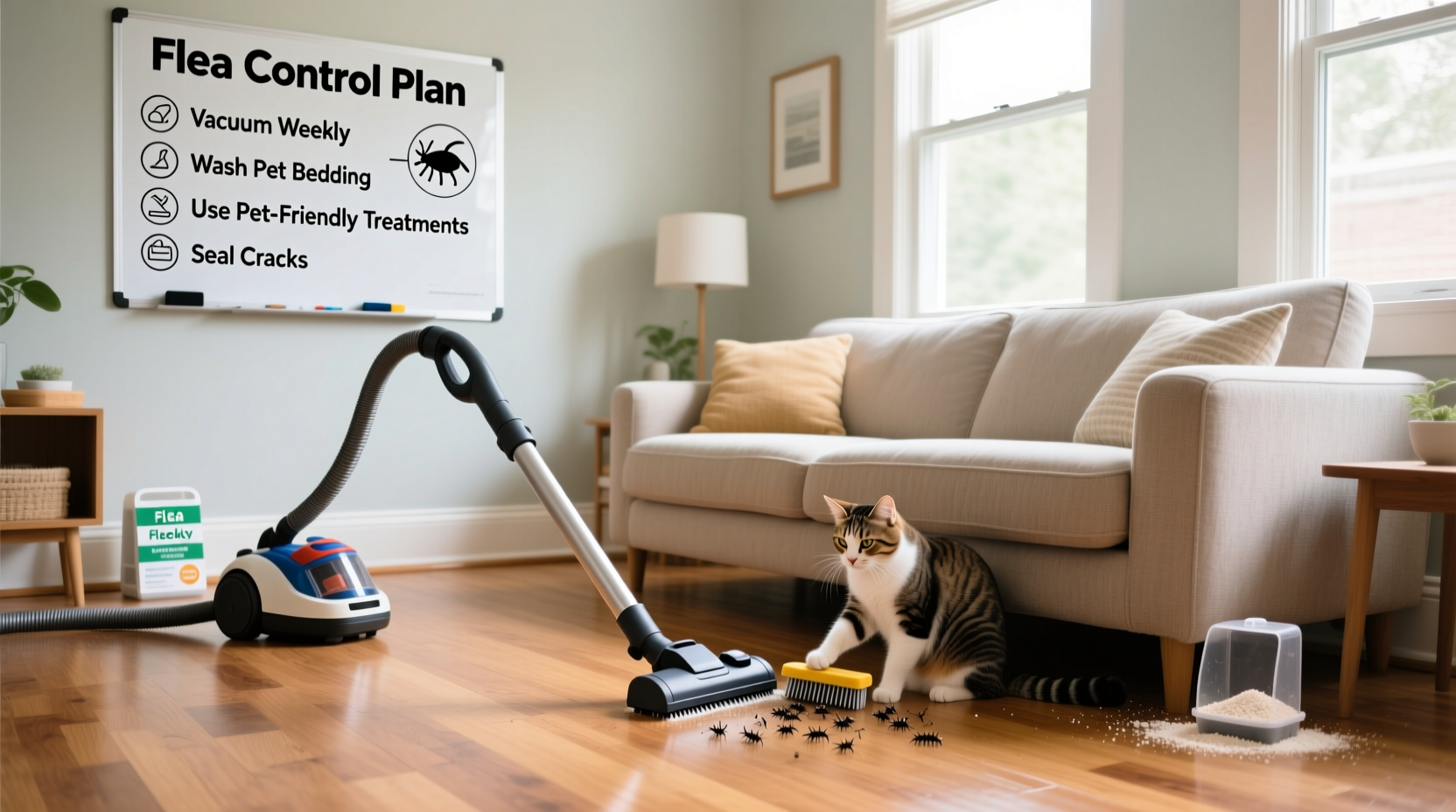
To effectively combat fleas, it's essential to understand their biology. Fleas go through four stages: egg, larva, pupa, and adult. A single female flea can lay up to 50 eggs per day, which often fall off pets and scatter into carpets, furniture, and floor cracks. These eggs hatch into larvae that feed on organic debris before spinning cocoons and entering the pupal stage. Pupae are especially resilient and can remain dormant for months, evading most treatments until environmental conditions trigger emergence.
This complex cycle means that targeting only adult fleas is ineffective. Successful eradication requires disrupting all stages simultaneously. Because pupae can survive for long periods without feeding, ongoing vigilance is necessary even after visible fleas disappear.
“Flea control isn’t about killing what you see—it’s about preventing what you don’t.” — Dr. Linda Harper, Veterinary Parasitologist
Step-by-Step Guide to Eliminating Fleas from Your Home
Eradicating fleas demands a systematic approach. Follow this timeline-based strategy for maximum impact:
- Day 1–2: Deep Clean All Living Areas
Vacuum every room thoroughly, focusing on pet bedding, baseboards, under furniture, and carpet edges. Dispose of the vacuum bag or empty the canister immediately into a sealed plastic bag and place it outside to prevent re-infestation. - Day 2–3: Apply Indoor Insect Growth Regulators (IGRs)
Use a spray containing an IGR like methoprene or pyriproxyfen. These chemicals prevent flea eggs and larvae from maturing, breaking the reproductive cycle. Apply according to label instructions, especially in high-risk zones. - Day 3–4: Wash All Fabrics in Hot Water
Launder pet bedding, throw rugs, curtains, and any washable fabrics in water hotter than 130°F (54°C), which kills eggs and larvae. - Day 4–7: Treat Pets with Fast-Acting Products
Administer veterinarian-approved topical treatments, oral medications, or flea collars. Ensure all pets in the household are treated—even those that rarely go outside. - Week 2–4: Repeat Vacuuming and Monitor Activity
Continue vacuuming every other day. The vibration stimulates pre-adult fleas to emerge from cocoons, making them vulnerable to treatments. - Month 2+: Maintain Prevention Protocols
Sustain monthly flea preventatives for pets and regular cleaning to avoid resurgence.
Effective Treatment Options: Do’s and Don’ts
Not all flea remedies are created equal. Some over-the-counter solutions may be ineffective or even harmful. The following table compares recommended practices versus common mistakes:
| Do’s | Don’ts |
|---|---|
| Use vet-prescribed oral medications like nitenpyram or spinosad for rapid adult kill | Use dog flea products on cats—many contain permethrin, which is toxic to felines |
| Apply insect growth regulators (IGRs) indoors to stop development | Rely solely on foggers—they often miss hidden areas and provide short-term results |
| Vacuum daily during active infestations | Assume one treatment is enough—multiple cycles are usually needed |
| Treat all pets simultaneously | Use essential oils like tea tree or citrus—these can be dangerous to pets if misused |
| Seal and discard vacuum contents immediately | Delay treatment hoping the problem resolves itself—fleas multiply exponentially |
Real Example: How One Family Cleared a Severe Infestation
The Thompson family returned from a weekend camping trip to find their golden retriever scratching incessantly. Within days, they noticed tiny black specks in the carpet and experienced bites on their ankles. After confirming a flea infestation, they took immediate action: they washed all linens, hired a professional pest control service to apply a targeted IGR spray, and started all three pets on prescription flea medication.
They vacuumed daily and disposed of the contents in sealed bags placed in an outdoor trash bin. Two weeks later, they observed a sharp decline in activity. By week six, no new bites occurred, and flea traps showed zero captures. Their success came from consistency—not relying on a single method, but combining mechanical removal, chemical intervention, and pet treatment.
Prevention Checklist for Long-Term Success
Once fleas are gone, maintaining a flea-free home requires proactive habits. Use this checklist monthly:
- ✅ Administer veterinarian-recommended flea preventative to all pets year-round
- ✅ Vacuum carpets, rugs, and upholstery weekly
- ✅ Wash pet bedding in hot water every 2–3 weeks
- ✅ Inspect pets after visits to parks, groomers, or boarding facilities
- ✅ Seal gaps around windows, doors, and floors to block wildlife entry
- ✅ Trim yard vegetation and discourage stray animals from entering your property
- ✅ Rotate and clean under furniture regularly to disrupt potential breeding sites
Frequently Asked Questions
Can fleas live on humans?
While fleas prefer animal hosts, they can bite humans, typically around the ankles or lower legs. However, they do not establish colonies in human hair or clothing. Flea bites appear as small, red, itchy dots and may cause allergic reactions in sensitive individuals.
How long does it take to get rid of fleas completely?
Complete elimination typically takes 3 to 8 weeks, depending on the severity of the infestation and adherence to treatment protocols. Because of the resilience of flea pupae, continuous effort is required even after symptoms subside.
Are natural remedies like diatomaceous earth effective?
Food-grade diatomaceous earth (DE) can dehydrate and kill adult fleas and larvae when applied to carpets and baseboards. However, it must be used carefully—inhaling the dust can irritate lungs—and it doesn’t affect pupae or eggs. DE should complement, not replace, medical and chemical treatments.
Sustaining a Flea-Free Environment
Eliminating fleas is only half the battle; preventing their return is equally critical. Many homeowners make the mistake of stopping treatment too soon, allowing dormant pupae to hatch and restart the cycle. Year-round flea prevention for pets, combined with routine home maintenance, is the most reliable defense.
Consider seasonal risks: fleas thrive in warm, humid environments and are most active in late summer, but central heating allows them to survive indoors during winter. Climate change has also extended flea seasons in many regions, making consistent protection essential regardless of the time of year.
“Indoor-only pets aren’t immune. Fleas can hitchhike on clothing, shoes, or visiting animals.” — National Pest Management Association
Take Action Today
Getting rid of fleas requires persistence, precision, and a multi-pronged strategy. From deep-cleaning your home to treating pets with reliable products and maintaining preventive routines, every step plays a role in restoring comfort and safety. Don’t wait for the infestation to worsen—start today with thorough vacuuming and vet-approved treatments. Share your experience or questions below to help others facing similar challenges. Together, we can create healthier, flea-free homes.
💬 Have a flea-fighting tip that worked for you? Leave a comment and help fellow pet owners win the war against these persistent pests!








