
Diarrhea in dogs is common but can quickly become serious if not managed properly. While occasional loose stools may result from dietary changes or mild stress, persistent or severe diarrhea can signal underlying health issues. Knowing how to respond at home—when to intervene and when to seek veterinary help—is essential for any dog owner. With the right approach, you can comfort your pet, support recovery, and prevent complications.
Recognizing When Diarrhea Is Serious
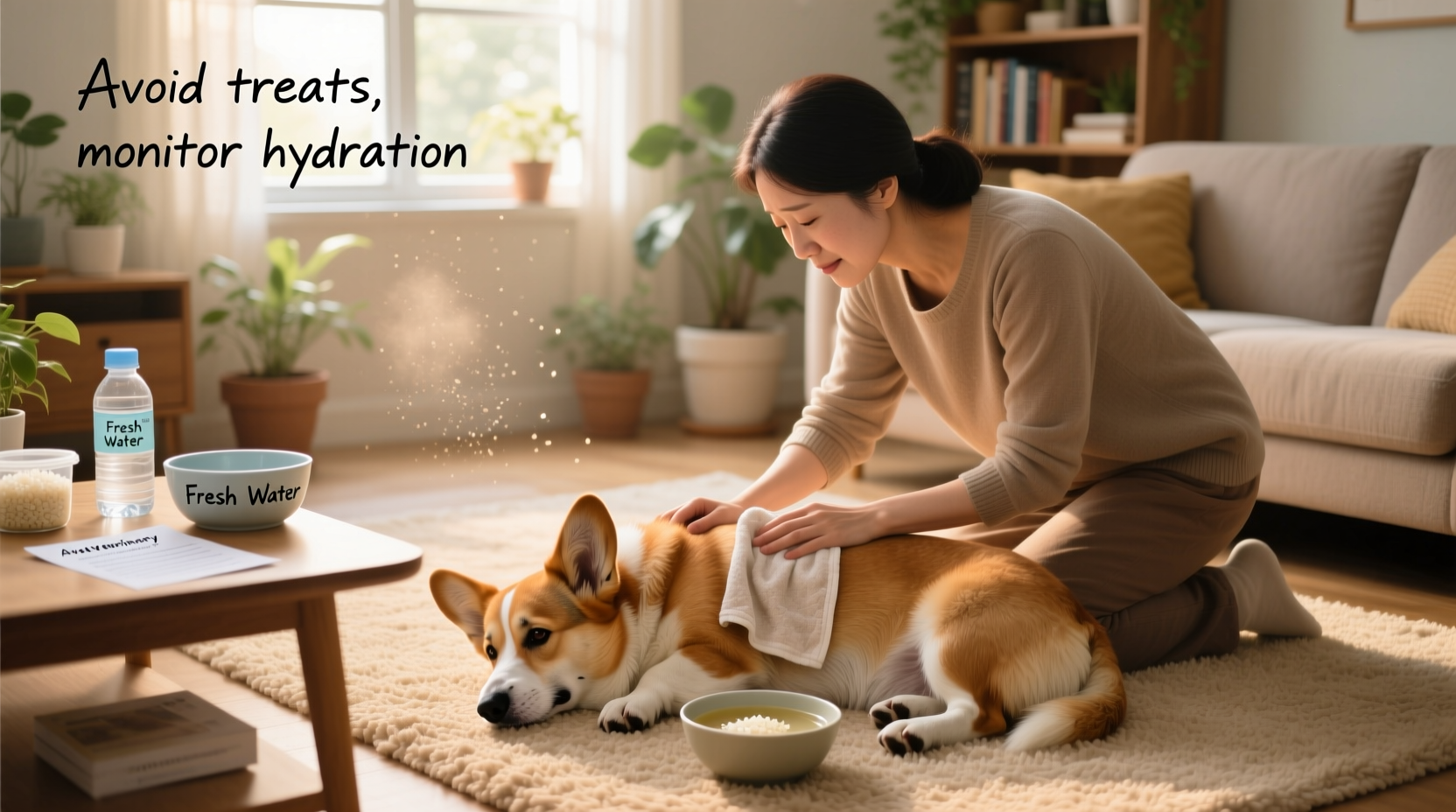
Not all cases of diarrhea require immediate vet attention, but knowing the warning signs helps determine urgency. Mild diarrhea that resolves within 24 hours and doesn’t impact your dog’s energy level or appetite often responds well to home care. However, certain symptoms indicate a more serious condition:
- Diarrhea lasting longer than 48 hours
- Blood or mucus in stool
- Vomiting alongside diarrhea
- Lethargy, weakness, or depression
- Loss of appetite or refusal to drink water
- Pale gums or signs of dehydration (dry nose, sunken eyes, skin that tents when lifted)
- Fever or abdominal pain
“Persistent diarrhea can lead to rapid dehydration in dogs, especially in puppies or senior animals. Early intervention improves outcomes significantly.” — Dr. Lena Torres, DVM, Small Animal Internal Medicine SpecialistTip: Keep a log of your dog’s symptoms—frequency of bowel movements, color, consistency, and associated behaviors—to share with your veterinarian.
Step-by-Step Home Care Plan
If your dog has mild diarrhea and remains alert and hydrated, a structured home care plan can promote recovery. Follow this timeline carefully:
- Withhold food for 12–24 hours (not water) to allow the digestive tract to rest. This is especially helpful after dietary indiscretion (e.g., eating garbage).
- Offer small amounts of water frequently. Prevent dehydration by providing fresh water every 30–60 minutes. You may also offer ice cubes or diluted low-sodium broth.
- Introduce a bland diet after fasting. Begin with small portions of boiled white meat chicken (no skin, no seasoning) and plain white rice in a 1:2 ratio. Feed several small meals throughout the day.
- Maintain the bland diet for 2–3 days, gradually reintroducing regular food by mixing increasing amounts of kibble over 1–2 days.
- Monitor closely. If diarrhea persists beyond 48 hours on the bland diet, worsens, or new symptoms appear, contact your vet immediately.
Dietary Support and Safe Remedies
Nutrition plays a central role in gastrointestinal recovery. The goal is to provide easily digestible food that reduces intestinal irritation while supporting gut flora balance.
| Food/Remedy | Benefits | Cautions |
|---|---|---|
| Boiled chicken and rice | Low-fat, gentle on the stomach, binds stool | Avoid long-term use; lacks complete nutrition |
| Pumpkin (plain, canned or cooked) | High in soluble fiber, absorbs excess fluid in intestines | Do not use pie filling; limit to 1–2 tablespoons per meal |
| Probiotics (dog-specific) | Replenishes beneficial gut bacteria | Choose veterinary-formulated products; avoid human versions unless approved |
| Plain yogurt (if lactose-tolerant) | Source of probiotics and protein | Many dogs are lactose intolerant—use sparingly or avoid |
Pumpkin is one of the most effective natural remedies. One tablespoon of plain pumpkin per 10 pounds of body weight, given twice daily, can firm up stools within hours in many cases.
Common Mistakes to Avoid
Well-meaning owners sometimes worsen diarrhea through incorrect interventions. Be mindful of these pitfalls:
- Feeding rich or fatty foods: Even if your dog begs, avoid table scraps, fatty meats, or dairy.
- Using human medications: Never give Pepto-Bismol, Imodium, or other anti-diarrheals without veterinary approval—they can be toxic.
- Skipping hydration efforts: Dogs dehydrate faster than humans. Monitor intake and encourage drinking.
- Delaying vet care when needed: Puppies, seniors, and small breeds deteriorate quickly. Err on the side of caution.
Mini Case Study: Managing Mild Diarrhea in a Young Labrador
Riley, a 2-year-old Labrador Retriever, developed loose stools after scavenging leftovers from a picnic trash can. His owner noticed no vomiting or lethargy, and Riley remained playful. Following a 12-hour fast with access to water, the owner introduced a bland diet of boiled chicken and rice in small portions every four hours. Plain canned pumpkin was added to each meal. By the second day, Riley’s stools began to firm. Over the next 48 hours, his regular kibble was gradually reintroduced. Diarrhea resolved completely by day four, and no vet visit was required. The key factors in success were early action, dietary control, and close monitoring.
When to See a Veterinarian
Home care is appropriate only for mild, acute cases. Seek professional help if you observe any of the following:
- Diarrhea continues beyond two days despite home treatment
- Your dog shows signs of pain, such as whining, hunching, or reluctance to move
- Stool contains blood (bright red or black/tarry)
- There's a known exposure to toxins, foreign objects, or parasites
- Your dog is unvaccinated and potentially exposed to parvovirus—a life-threatening condition in puppies
In such cases, diagnostic tests like fecal exams, blood work, or imaging may be necessary. Treatment could include antibiotics, anti-nausea medication, fluids, or hospitalization.
Preventive Care and Long-Term Gut Health
While occasional digestive upset is normal, frequent diarrhea suggests a need for preventive strategies:
- Feed a consistent, high-quality diet suitable for your dog’s age and breed.
- Avoid sudden food changes; transition over 5–7 days when switching brands.
- Limit treats and avoid feeding bones, fatty scraps, or human snacks.
- Use monthly parasite prevention (including dewormers) as recommended by your vet.
- Consider a daily probiotic supplement for dogs with sensitive stomachs.
FAQ
Can I give my dog Pepto-Bismol for diarrhea?
No, unless specifically directed by your veterinarian. Bismuth subsalicylate (the active ingredient) can be toxic to dogs, especially in improper doses. Safer alternatives exist under veterinary guidance.
How long should I keep my dog on a bland diet?
Typically 2–3 days after stools normalize. Then slowly reintroduce regular food over 1–2 days by mixing increasing portions of kibble with decreasing portions of bland food.
Is grass eating related to diarrhea?
Some dogs eat grass to soothe an upset stomach, though it doesn’t cause diarrhea in most cases. If your dog vomits after eating grass or has chronic diarrhea, consult your vet.
Final Checklist: What to Do First
- Assess severity: Is your dog alert and hydrated?
- Withhold food for 12–24 hours; offer water frequently.
- Begin a bland diet of boiled chicken and rice.
- Add plain pumpkin or a vet-approved probiotic.
- Monitor symptoms closely for 24–48 hours.
- Contact your vet if diarrhea persists, worsens, or is accompanied by red-flag symptoms.
Conclusion
Caring for a dog with diarrhea at home requires patience, observation, and informed decision-making. Most mild cases resolve with simple dietary adjustments and supportive care. But vigilance is crucial—your dog depends on you to recognize when professional help is needed. By combining practical home remedies with timely veterinary input, you can ensure your pet recovers safely and comfortably.
💬 Have experience managing your dog’s digestive issues? Share your tips in the comments to help fellow pet owners navigate this common challenge.








