
Dog skin yeast infections, often caused by an overgrowth of the naturally occurring fungus *Malassezia*, are more common than many pet owners realize. While small amounts of this yeast live harmlessly on a dog’s skin, imbalances due to allergies, moisture, hormonal issues, or weakened immunity can trigger uncomfortable and persistent infections. Left untreated, these conditions lead to intense itching, redness, greasy coat, and unpleasant odors—significantly affecting your dog’s quality of life. Fortunately, with timely intervention and consistent care, most cases respond well to treatment.
Understanding Canine Yeast Infections
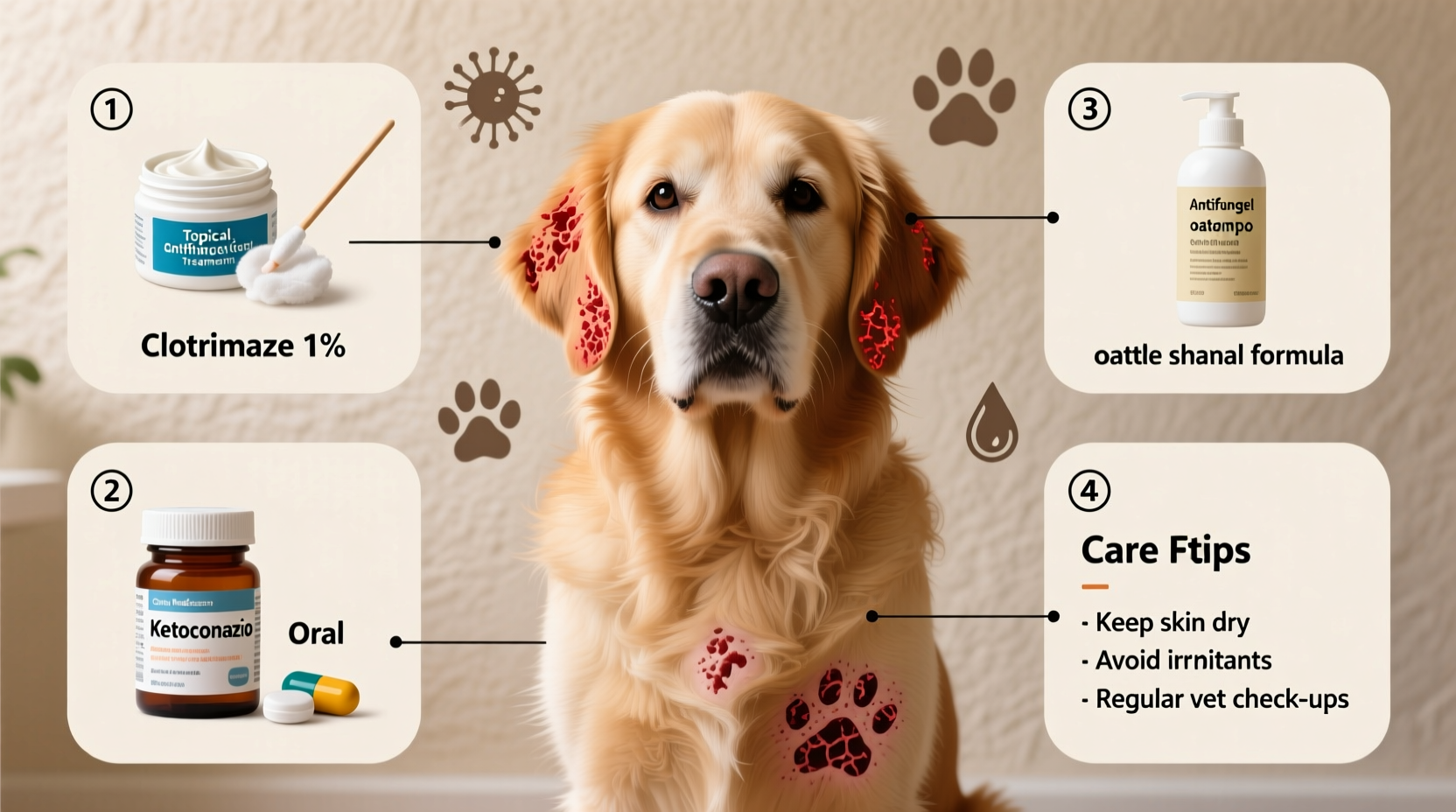
Yeast thrives in warm, moist environments, making areas like the ears, paws, armpits, groin, and skin folds prime targets. Breeds with heavy skin folds—such as Bulldogs, Pugs, and Shar-Peis—are especially prone. Dogs with underlying health issues like hypothyroidism, Cushing’s disease, or chronic allergies also face higher risks.
Symptoms of a yeast infection include:
- Intense scratching or chewing at specific body areas
- Red, inflamed skin
- Greasy or scaly coat
- Darkened or thickened skin (lichenification)
- Foul, musty odor (often described as “corn chips”)
- Swollen paws or recurring ear infections
Because symptoms overlap with bacterial infections and allergies, proper diagnosis by a veterinarian is essential. Your vet may perform skin scrapings, cytology tests, or fungal cultures to confirm yeast overgrowth before prescribing treatment.
Tip: If your dog licks their paws excessively after walks, check for moisture or debris trapped between the toes—it could be a breeding ground for yeast.Veterinary Treatments That Work
Professional treatment typically combines topical and systemic therapies depending on severity. Mild cases may only require medicated shampoos, while severe or recurrent infections often need oral antifungals.
Common veterinary interventions include:
- Medicated Shampoos: Containing chlorhexidine, miconazole, or ketoconazole. These should be left on the skin for 5–10 minutes before rinsing to ensure effectiveness.
- Topical Creams or Sprays: Applied directly to affected areas, often with antifungal agents like clotrimazole or terbinafine.
- Oral Antifungals: Medications such as fluconazole or itraconazole for widespread or deep infections. These require careful monitoring due to potential liver side effects.
- Ear Medications: For otitis caused by yeast, vets prescribe antifungal ear drops, sometimes combined with anti-inflammatory ingredients.
“Early detection and adherence to the full course of treatment are critical. Stopping medication prematurely can lead to recurrence and resistance.” — Dr. Laura Simmons, DVM, Veterinary Dermatology Specialist
Step-by-Step Care Routine for Recovery
Effective management requires consistency beyond medication. Follow this timeline to support healing and prevent relapse:
- Week 1–2: Diagnosis & Initiation
Visit your vet for confirmation. Begin prescribed antifungal shampoo (e.g., twice weekly) and apply topical treatments as directed. Clean affected areas gently with a vet-recommended wipe if daily cleaning is needed. - Week 3–4: Monitor Progress
Assess changes in odor, redness, and scratching. Continue bathing and medicating. Avoid skipping doses—even if symptoms improve. - Week 5–6: Re-evaluation
Schedule a follow-up with your vet. They may repeat cytology to confirm yeast levels have normalized. - Ongoing: Maintenance & Prevention
Switch to a maintenance shampoo every 2–4 weeks. Address underlying causes like food allergies or hormonal imbalances.
Home Care and Prevention Tips
While professional treatment is non-negotiable for active infections, supportive home care enhances recovery and reduces future flare-ups.
Tip: After baths or swimming, thoroughly dry your dog’s skin folds, ears, and paws with a soft towel to eliminate moisture.Consider these preventive strategies:
- Feed a balanced, low-sugar diet—yeast feeds on sugar, so avoid treats with corn syrup or grains that spike blood glucose.
- Use hypoallergenic grooming products free of harsh chemicals and fragrances.
- Wash bedding weekly in hot water to reduce environmental yeast load.
- Trim hair around paws and in skin folds to improve airflow.
- Supplement with probiotics to support gut and skin microbiome balance.
Do’s and Don’ts for Managing Dog Skin Yeast Infections
| Do’s | Don’ts |
|---|---|
| Use vet-prescribed antifungal shampoos regularly | Use human dandruff shampoos without consulting your vet |
| Keep skin folds clean and dry | Allow your dog to swim frequently during treatment |
| Treat underlying allergies or medical conditions | Scratch or pick at infected areas |
| Follow up with your vet even if symptoms resolve | Stop medication early because the dog seems better |
| Use an Elizabethan collar to prevent licking | Apply over-the-counter creams without guidance |
Real-Life Example: Bella the Bichon Frise
Bella, a 5-year-old Bichon Frise, began excessively licking her paws and shaking her head. Her owner noticed a yeasty smell and brown staining between her toes. A vet visit confirmed a *Malassezia* infection in her paws and ears. The treatment plan included ketoconazole shampoo twice weekly, clotrimazole ear drops, and oral fluconazole for four weeks. Her owner started wiping her paws after walks, switched to a grain-free diet, and added a canine probiotic. Within three weeks, Bella’s itching decreased significantly. At her recheck, skin cytology showed no yeast overgrowth. Now, monthly antifungal wipes and regular ear cleaning keep her comfortable year-round.
FAQ
Can I treat my dog’s yeast infection at home without seeing a vet?
While mild cases might improve with over-the-counter antifungal shampoos, self-treatment is risky. Misdiagnosis is common—what looks like yeast could be a bacterial infection or allergy requiring different therapy. Always consult your vet for an accurate diagnosis and safe treatment plan.
How long does it take to cure a dog’s skin yeast infection?
Most dogs show improvement within 1–2 weeks, but full resolution typically takes 3–6 weeks. Chronic or recurrent cases may require longer treatment and ongoing management of underlying causes.
Is a dog’s yeast infection contagious to humans or other pets?
No, *Malassezia* yeast is not contagious. It’s part of the normal skin flora and only causes problems when overgrown due to internal or environmental factors. However, maintaining hygiene helps prevent secondary infections.
Essential Checklist for Managing Yeast Infections
Use this checklist to stay organized during treatment and prevention:
- ✅ Schedule a vet appointment for proper diagnosis
- ✅ Obtain prescribed antifungal shampoo, topical, or oral medications
- ✅ Bathe your dog as directed (typically every 3–7 days)
- ✅ Dry skin folds, ears, and paws thoroughly after baths or exposure to moisture
- ✅ Wipe paws after outdoor walks
- ✅ Wash bedding and collars weekly in hot water
- ✅ Monitor for symptom improvement or worsening
- ✅ Attend follow-up appointments for re-evaluation
- ✅ Address any underlying health or allergy issues
- ✅ Maintain preventive care after recovery
Conclusion
Managing a dog skin yeast infection effectively requires a blend of veterinary medicine, diligent home care, and proactive prevention. With the right approach, most dogs experience full recovery and return to comfort and vitality. Understanding the triggers, committing to the treatment timeline, and addressing root causes can break the cycle of recurrence. Your dog depends on you to recognize the signs early and act decisively. By doing so, you’re not just treating an infection—you’re improving their overall well-being.
💬 Have experience managing your dog’s yeast infection? Share your insights or questions in the comments to help fellow pet owners navigate this challenging condition.








