
Leash pulling is one of the most common challenges dog owners face. A walk that should be relaxing turns into a tug-of-war, straining both the owner’s arms and the dog’s neck. But with the right approach, any dog—regardless of age or breed—can learn to walk politely beside you. The key lies not in force or punishment, but in consistency, communication, and positive reinforcement. Teaching your dog to walk gently on a leash strengthens your bond, enhances safety, and transforms daily walks into enjoyable experiences for both of you.
Understanding Why Dogs Pull
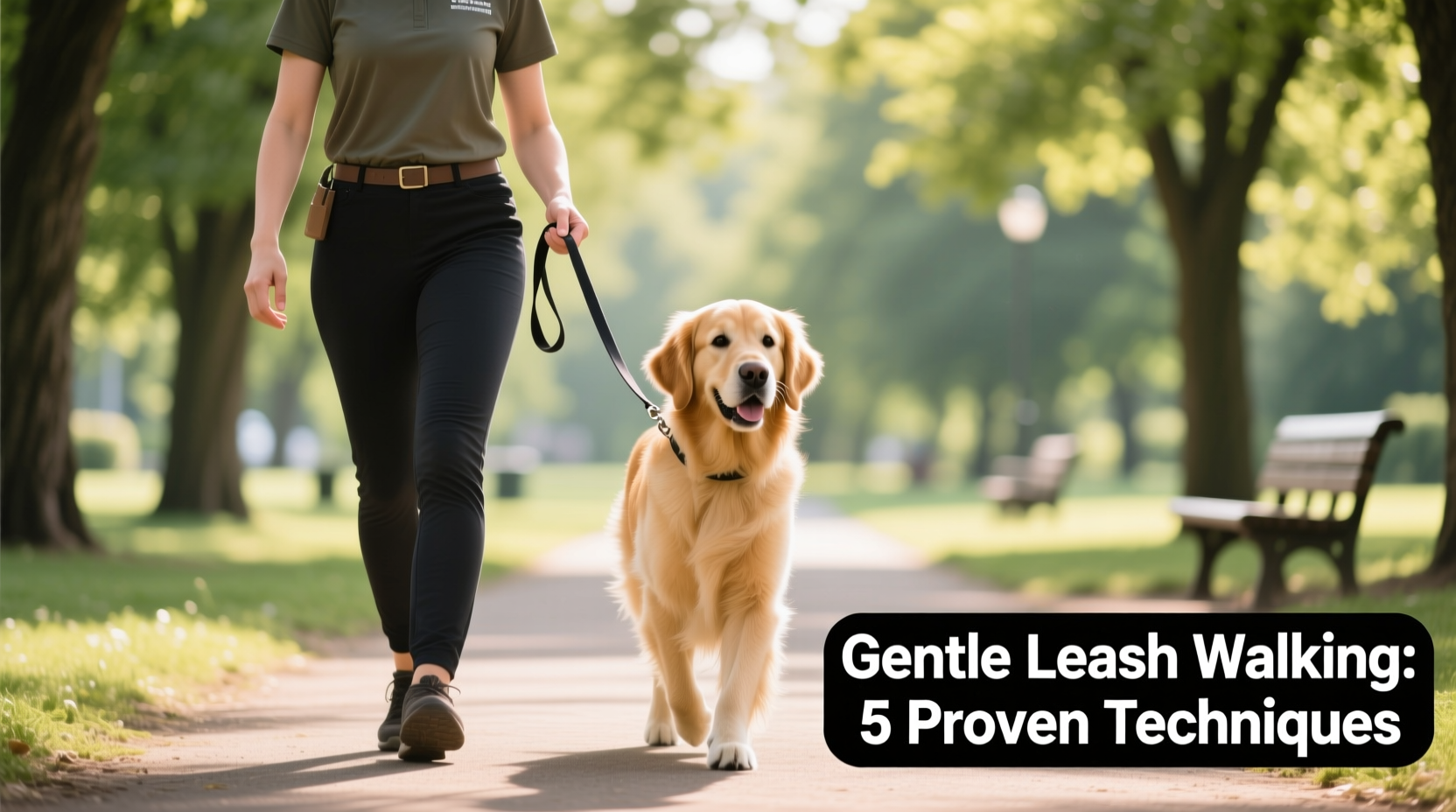
Dogs are naturally curious and driven by scent, movement, and exploration. When they see something interesting—a squirrel, another dog, or even a rustling leaf—they want to get there fast. To them, pulling isn’t defiance; it’s simply following instinct. Unfortunately, every time a dog moves forward while pulling, they’re self-rewarding the behavior. If the reward (forward motion) continues, so will the pulling.
The solution isn’t to overpower the dog but to reframe the experience. Instead of moving forward when pulling occurs, we teach the dog that loose-leash pressure equals progress, while tension means stopping. This shift in cause and effect builds impulse control over time.
“Dogs don’t pull because they’re stubborn—they pull because they’ve learned that it works. Change the consequence, and you change the behavior.” — Dr. Sophia Yin, Veterinary Behaviorist
Step-by-Step Guide to Loose-Leash Walking
Teaching gentle leash walking is a process that unfolds in stages. Start in low-distraction environments and gradually increase difficulty as your dog improves.
- Begin Indoors or in a Quiet Yard: Use a standard 4–6 foot leash (no retractables). Let your dog wear the leash around the house to build neutral associations.
- Introduce the “Heel” Position: Hold treats near your side. When your dog looks at or moves toward you, mark the moment with a clicker or verbal cue like “yes,” then reward. Practice stationary focus before adding motion.
- Take Small Steps Forward: Begin walking slowly. Reward your dog frequently for staying close. If they surge ahead, stop immediately. Wait for them to notice the halt and turn back—then reward and continue.
- Use Direction Changes: Randomly turn 180 degrees and walk the other way. Say “this way” or use a cue. This teaches your dog to watch you instead of forging ahead.
- Incorporate Treats Strategically: In early stages, keep treats at your side to encourage proximity. As your dog improves, phase out constant treats and reward only after sustained attention.
- Gradually Increase Distractions: Move from backyard to quiet sidewalks, then busier areas. Each new environment is a new learning opportunity.
Essential Tools and Techniques That Work
While training relies primarily on technique, the right gear can support success—especially during the learning phase.
| Tool | Purpose | Best For |
|---|---|---|
| Front-Clip Harness | Redirects dog’s movement when pulling; reduces strain on neck | Dogs who pull strongly or have respiratory issues |
| No-Pull Harness (e.g., Easy Walk) | Gentle steering effect discourages forward momentum | Most breeds, especially enthusiastic walkers |
| Standard 6-Foot Leash | Provides control and clear feedback | All training phases |
| Treat Pouch | Keeps rewards accessible without fumbling | High-frequency reinforcement during training |
| Clicker | Sharp, consistent signal marks desired behavior instantly | Dogs learning through operant conditioning |
Avoid using choke chains, prong collars, or shock collars. These tools may suppress pulling temporarily but often increase fear, anxiety, or aggression. Positive methods yield longer-lasting results and preserve trust.
Common Mistakes to Avoid
- Allowing occasional pulling: Inconsistency confuses dogs. If pulling sometimes works, they’ll keep trying.
- Yanking back on the leash: This can hurt your dog and damage your relationship. Use stopping and redirection instead.
- Expecting perfection too soon: Learning takes time. Celebrate small improvements.
- Using retractable leashes during training: They reinforce pulling by rewarding distance and make it harder to manage proximity.
- Ignoring distractions: Starting training in a busy park sets your dog up to fail. Build skills in calm spaces first.
Mini Case Study: Turning Around Max, the Labrador
Max, a two-year-old Labrador Retriever, pulled so hard on walks that his owner, Sarah, developed shoulder pain. She tried yanking him back and scolding, but Max only pulled harder. Frustrated, she consulted a certified dog trainer.
The trainer recommended switching to a front-clip harness and starting training in their driveway. For five days, Sarah practiced short sessions: rewarding Max for walking beside her, stopping when he pulled, and turning around when he surged ahead. By day six, Max began checking in mid-stride. After two weeks, they walked confidently around the block with minimal pulling.
Three months later, Max walks calmly on a loose leash—even past squirrels. Sarah says, “I was amazed how quickly he learned once I stopped fighting him and started communicating.”
Checklist: Building a Polite Walker
- ✅ Choose a no-pull harness or front-clip collar
- ✅ Use a 4–6 foot standard leash (avoid retractables)
- ✅ Start training in a quiet, distraction-free area
- ✅ Reward your dog for walking beside you (treats, praise, toys)
- ✅ Stop moving when the leash tightens—wait for slack
- ✅ Turn around and walk the opposite direction when pulling occurs
- ✅ Practice short sessions daily (5–10 minutes)
- ✅ Gradually introduce more distractions as skills improve
- ✅ Stay patient and consistent—avoid mixed signals
- ✅ Phase out treats as behavior becomes reliable, using random rewards
Frequently Asked Questions
How long does it take to stop a dog from pulling?
It varies by dog and consistency of training. Most dogs show improvement within 2–3 weeks of daily practice. Full reliability may take 2–3 months, especially in distracting environments. Older dogs or those with established habits may need more time, but progress is always possible.
Can I train an older dog to stop pulling?
Absolutely. While puppies are easier to shape from the start, adult dogs can learn new behaviors at any age. The principles remain the same: reward what you want, avoid reinforcing unwanted behavior, and be consistent. Patience and repetition are key.
Should I use treats forever?
No. Treats are a training tool, not a lifelong crutch. Once your dog reliably walks beside you, begin fading treats by rewarding intermittently—after several steps of good walking, or only in challenging situations. Over time, natural rewards (like sniffing a bush or greeting a person) can replace food.
Maintaining Progress and Enjoying the Walk
Once your dog masters loose-leash walking, maintain the habit with regular reinforcement. Even well-trained dogs may regress if rules change or expectations loosen. Continue to honor the agreement: loose leash = forward motion, tight leash = pause.
Remember, walking should be enriching for your dog. Allow time for sniffing, exploring, and mental stimulation—just not while pulling. You can designate “sniff zones” where your dog gets off-leash time or freedom to investigate, earned through good walking.
The ultimate goal isn’t robotic obedience but a shared rhythm—where your dog walks with you willingly, tuned into your movements, enjoying the journey as much as the destination.
Conclusion
Teaching your dog to walk gently on a leash is one of the most valuable skills you can share. It requires patience, consistency, and kindness—but the payoff is immense. No more sore arms, strained relationships, or stressful outings. Instead, you gain confidence, connection, and walks filled with mutual enjoyment.
Start today, even if it’s just five minutes in your yard. Every small step builds toward lasting change. Your dog is watching you—show them the way with clarity and care.
💬 Have a success story or tip about leash training? Share your experience in the comments—your insight could help another dog owner find peace on the pavement.








