
Walking your dog should be a peaceful experience—a chance to bond, exercise, and explore together. But if your dog lunges forward with every step, turning each walk into a battle of strength, you're not alone. Leash pulling is one of the most common behavioral challenges dog owners face. The good news: it's entirely fixable with the right approach. Using science-backed methods, consistency, and positive reinforcement, you can teach your dog to walk politely by your side in as little as a few weeks.
Understanding Why Dogs Pull
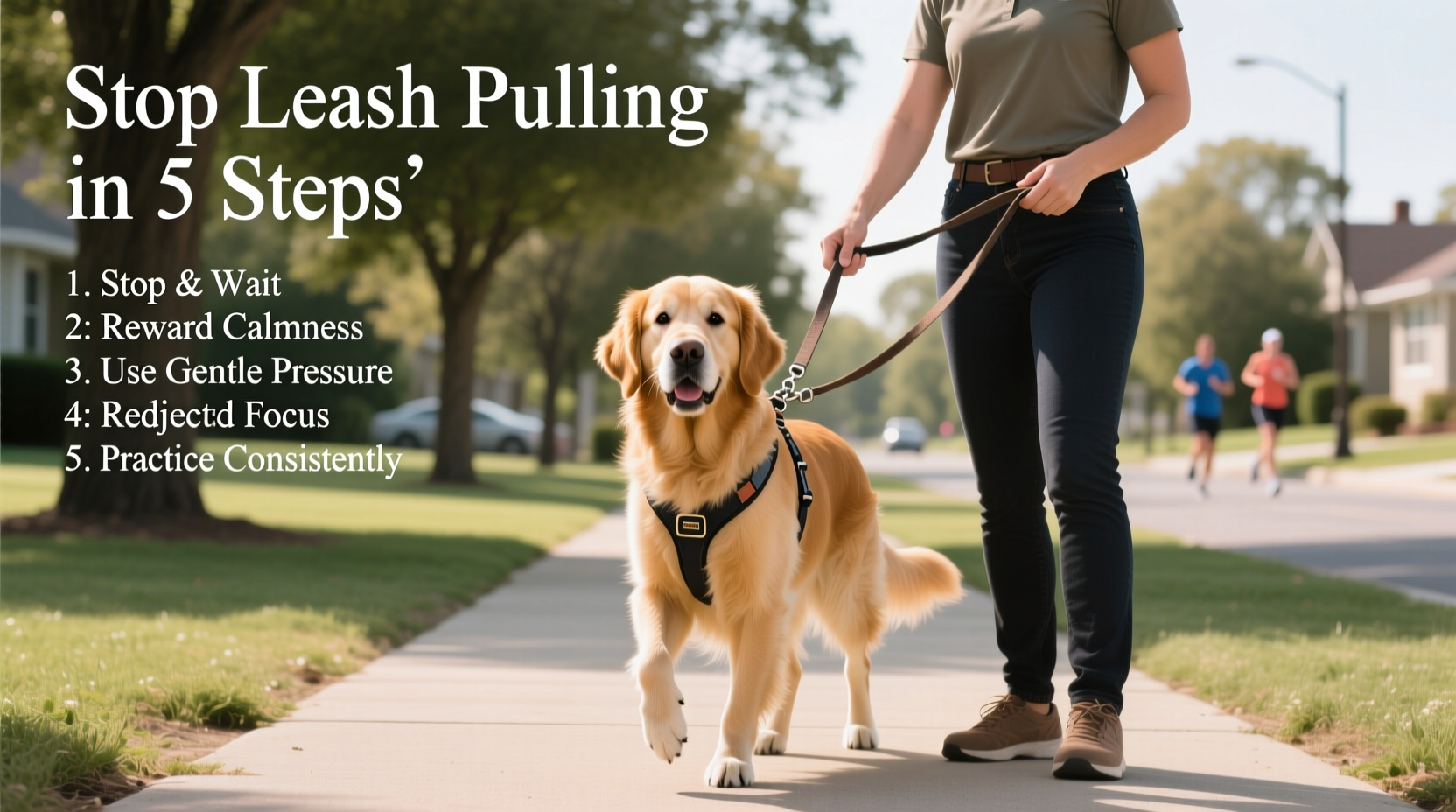
Dogs don’t pull on the leash out of defiance. They do it because they’ve learned that pulling gets them where they want to go—faster. Every time your dog moves forward while pulling, even slightly, they are rewarded with progress. This creates a self-reinforcing cycle: pull = movement = reward. Over time, this behavior becomes deeply ingrained.
Additionally, dogs are naturally curious. Sights, smells, and sounds trigger their instinct to investigate. When excitement takes over, impulse control diminishes. Without proper training, walking on a loose leash doesn't make sense to them. That’s why correction-based tools like choke chains or prong collars may suppress pulling temporarily but fail to address the root cause: lack of understanding and impulse control.
Tip: Never yank back when your dog pulls. This teaches them to brace against pressure, making pulling worse.Choose the Right Equipment
The tools you use can significantly impact training success. Not all gear is created equal—some promote comfort and cooperation, while others increase tension and discomfort.
| Equipment | Pros | Cons |
|---|---|---|
| Front-Clip Harness | Redirects dog’s momentum, reduces pulling, gentle on neck | May require adjustment period |
| No-Pull Harness (e.g., Freedom or Easy Walk) | Designed to discourage pulling through gentle steering | Must fit properly; improper fit causes chafing |
| Head Halter (e.g., Gentle Leader) | Controls direction via head guidance, excellent for strong pullers | Dogs may resist at first; requires gradual introduction |
| Standard Collar + Leash | Familiar, simple | Risk of trachea damage; reinforces pulling if used incorrectly |
A front-clip harness is often the best starting point. It turns pulling into a pivot, guiding the dog back toward you without pain. Pair it with a 4–6 foot standard leash—avoid retractable leashes during training, as they encourage erratic behavior and reinforce pulling.
Step-by-Step Training Plan
Changing leash behavior requires consistency, timing, and repetition. Follow this five-phase plan to build reliable loose-leash walking habits.
- Start Indoors or in a Low-Distraction Area: Begin in your living room or quiet yard. Use high-value treats (like chicken or cheese) to lure your dog into position beside you.
- Mark and Reward Attention: Every time your dog looks at you or walks beside you with a slack leash, say “Yes!” or click, then treat. Focus on rewarding attention, not just position.
- Add Movement in Short Bursts: Take three steps forward. If the leash stays loose, mark and reward. If your dog pulls ahead, stop immediately. Stand still until the leash relaxes, then mark and treat before moving again.
- Introduce Direction Changes: Randomly turn and walk the other way. This teaches your dog to watch you instead of forging ahead. Reward when they catch up and reposition correctly.
- Gradually Increase Difficulty: Move to your driveway, sidewalk, then busier areas. Practice near distractions only when your dog consistently succeeds in easier environments.
Training sessions should be short—5 to 10 minutes, two to three times daily. End on a positive note. Consistency across all family members is essential; mixed signals will delay progress.
Tip: Carry treats in a waist pouch. Keep hands free and predictable.Real Example: Transforming Max, the Eager Beagle
Max, a 2-year-old beagle, pulled so hard on walks that his owner, Sarah, developed shoulder pain. Walks were stressful, and Max ignored her commands once outside. After consulting a certified trainer, Sarah switched to a front-clip harness and began structured training.
She started in her backyard, rewarding Max for staying within 18 inches of her side. Within three days, he was walking calmly for short distances. She introduced U-turns whenever he surged ahead. At first, Max resisted, but after a week of consistent practice, he began checking in with her before moving forward.
After four weeks, Sarah took Max to a quiet park. He still got excited by squirrels, but now paused and looked back at her when the leash tightened. By week six, their walks were relaxed and enjoyable. Max wasn’t perfect, but his default behavior had shifted from pulling to checking in.
Sarah’s success came from consistency, the right equipment, and managing expectations. She didn’t expect overnight change—but she did commit to daily practice.
Expert Insight: What Trainers Recommend
Professional dog trainers emphasize that motivation and clarity are more effective than force.
“Dogs learn fastest when they understand what earns rewards. Instead of punishing pulling, teach what you *do* want. A dog who chooses to stay close because it pays off will walk politely for life.” — Dr. Kendra Pope, Certified Professional Dog Trainer (CPDT-KA)
This philosophy underpins modern, humane training. Rather than suppressing behavior, the goal is to replace unwanted actions with better ones through positive reinforcement.
Common Mistakes to Avoid
- Pulling back on the leash: This creates opposition reflex—dogs instinctively pull harder when pressure is applied.
- Inconsistent responses: Letting your dog pull sometimes (e.g., to get to the park) teaches them that persistence works.
- Using low-value treats: Kibble might not motivate your dog in distracting environments. Use smelly, soft treats outdoors.
- Expecting perfection too soon: Learning takes time. Celebrate small improvements.
- Allowing distractions during early training: Practicing near squirrels or other dogs sets your dog up to fail.
Checklist: Stop Leash Pulling in 30 Days
- ✅ Get a front-clip no-pull harness
- ✅ Choose high-value treats for outdoor training
- ✅ Schedule three 5-minute training sessions daily
- ✅ Start training indoors or in a fenced yard
- ✅ Use a consistent cue like “Let’s go” or “With me”
- ✅ Stop immediately when the leash tightens
- ✅ Reward attention and loose-leash walking every few steps
- ✅ Practice changing directions randomly
- ✅ Gradually introduce mild distractions
- ✅ Involve all household members in training
FAQ
How long does it take to stop a dog from pulling?
Most dogs show improvement within 2–3 weeks with consistent daily training. Full reliability in distracting environments may take 6–8 weeks. Larger or highly energetic breeds may need additional time.
Can older dogs learn not to pull?
Absolutely. Age doesn’t prevent learning. Older dogs may take longer due to established habits, but with patience and consistency, they can master loose-leash walking.
Should I use a clicker?
A clicker can improve timing and clarity, especially in early training. However, a verbal marker like “Yes!” works just as well if used consistently the moment the desired behavior occurs.
Conclusion
Stopping leash pulling isn’t about dominance or control—it’s about communication. When your dog understands that walking beside you leads to rewards, exploration, and freedom, they’ll choose to stay close. The techniques outlined here don’t rely on fear or discomfort; they build trust and cooperation. With the right tools, a clear plan, and daily practice, you can transform tense, exhausting walks into moments of connection and calm.
🚀 Start today: Grab a front-clip harness, fill a treat pouch, and take your first focused walk. Your dog is ready to learn—now it’s your turn to lead with patience and purpose.








