Grooming is essential for a dog’s health and comfort, but many dogs react with anxiety or fear when faced with brushes, clippers, or baths. This resistance isn’t defiance—it’s often rooted in confusion, past trauma, or sensory overload. With the right approach, however, grooming can become a calm, even enjoyable ritual. The key lies in preparation, patience, and understanding canine behavior. By implementing proven calming techniques before and during grooming, you not only improve hygiene but also strengthen the bond between you and your pet.
Understanding Canine Grooming Anxiety
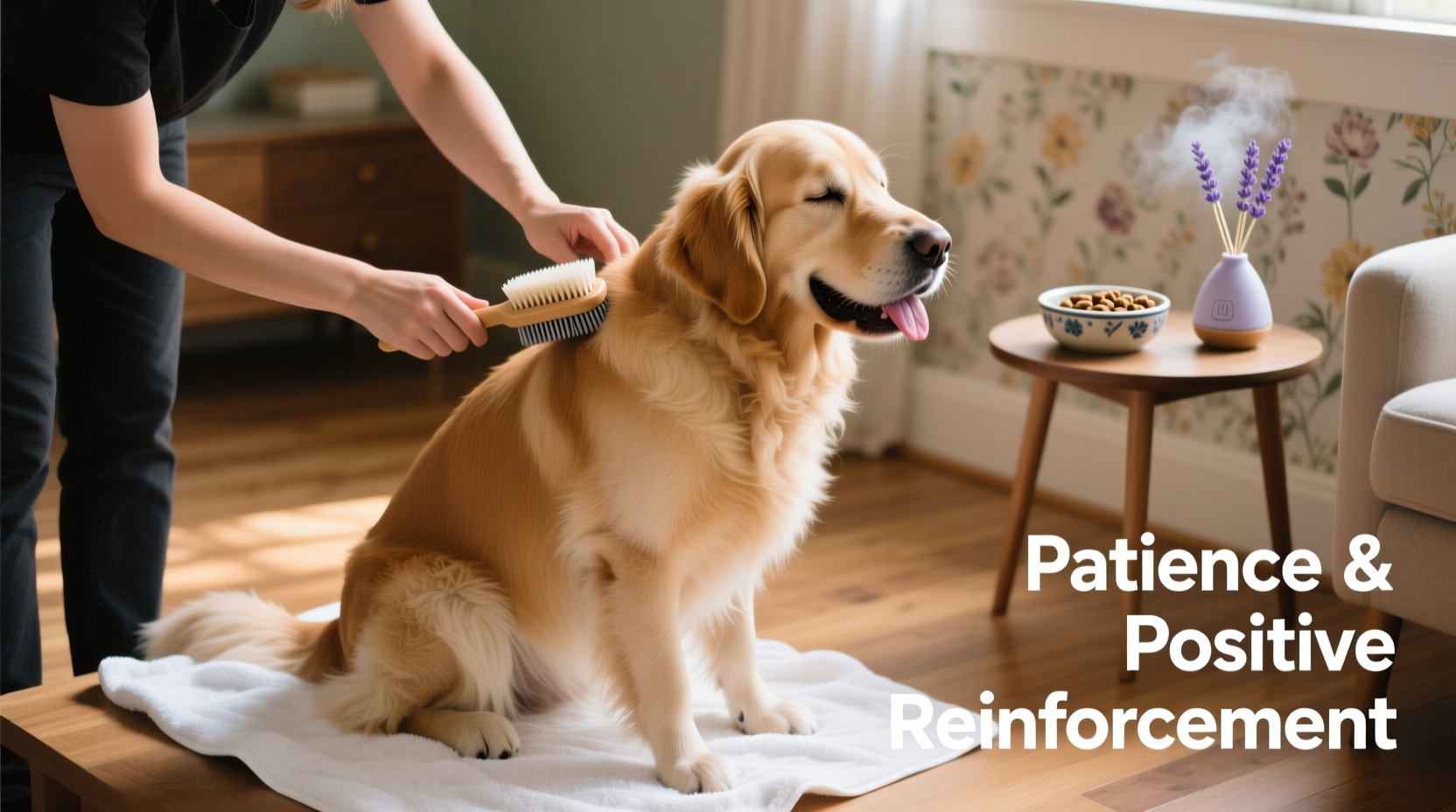
Dogs don’t naturally understand why they need to be brushed, bathed, or clipped. For some, the sounds of clippers, the sensation of being restrained, or the unfamiliar textures of grooming tools trigger instinctive fear responses. Small breeds, rescue dogs, or those with limited handling experience are especially prone to stress during grooming.
Anxiety manifests in various ways: trembling, panting, whining, lip licking, pinned-back ears, or attempts to escape. Recognizing these signs early allows you to intervene before the dog becomes overwhelmed. The goal isn’t to suppress these reactions but to address their root causes through gradual desensitization and positive reinforcement.
Tip: Never force a grooming session if your dog is visibly stressed. Pause, reset, and return later with shorter, gentler interactions.Step-by-Step Preparation: Building Calm Before Grooming
Successful grooming starts long before the brush comes out. A structured pre-grooming routine conditions your dog to associate grooming tools and environments with safety and rewards.
- Introduce Tools Gradually: Place brushes, clippers, and nail trimmers near your dog during calm moments. Let them sniff and investigate without pressure.
- Pair Tools with Treats: Whenever your dog approaches a grooming tool voluntarily, reward with a high-value treat like small pieces of chicken or cheese.
- Simulate Grooming Motions: Gently run your fingers over your dog’s coat as if brushing. Touch paws, ears, and tail daily to increase tolerance.
- Practice Handling: Lift paws gently while offering praise. Over time, incorporate brief touches around sensitive areas like the belly and face.
- Create a Calm Environment: Choose a quiet room with minimal distractions. Play soft music or use a white noise machine to mask sudden sounds.
Consistency over days or weeks builds familiarity. Rushing this phase can reinforce fear, so allow your dog to progress at their own pace.
Effective Calming Techniques During Grooming
Once grooming begins, maintaining a relaxed atmosphere is critical. Use these evidence-based methods to keep your dog calm throughout the process.
- Use Positive Reinforcement Continuously: Reward calm behavior every few seconds at first, then gradually extend intervals as confidence grows.
- Employ Soothing Touch: Apply gentle pressure or massage between strokes. Many dogs respond well to “T-touch” techniques, which involve slow, circular motions that promote relaxation.
- Minimize Noise Stress: If using clippers, opt for low-noise models. Turn them on nearby while offering treats before attempting to use them on the coat.
- Take Breaks Frequently: Stop every few minutes to let your dog breathe, stretch, or receive affection. This prevents overwhelm and resets their emotional state.
- Use Calming Aids: Consider pheromone diffusers (like Adaptil) or sprays applied to the grooming area. Some owners find success with anxiety wraps or CBD oil (consult your vet first).
“Dogs learn through association. If grooming consistently ends with treats, play, and praise, they’ll begin to anticipate it positively.” — Dr. Laura Silverstein, Certified Veterinary Behaviorist
Do’s and Don’ts During Grooming Sessions
| Do | Don’t |
|---|---|
| Speak in a soft, steady voice | Yell or scold if your dog resists |
| Start with short, successful sessions | Attempt full grooming on the first try |
| Reward calm behavior immediately | Ignore signs of stress or fear |
| Use tools suited to your dog’s coat type | Pull or tug on matted fur aggressively |
| End on a positive note, even if incomplete | Force completion of grooming if the dog panics |
Real-Life Example: Helping a Rescue Dog Adjust
Benny, a three-year-old Shih Tzu mix adopted from a shelter, flinched at any touch near his paws and growled softly when approached with a brush. His new owner, Maria, avoided grooming entirely for two weeks, instead focusing on building trust. She sat beside him daily, offering treats and gently touching his shoulder, then slowly progressing to his legs.
After ten days, she introduced a soft-bristle brush, letting Benny sniff it first. She brushed just one stroke down his back—immediately followed by a treat and verbal praise. Over the next three weeks, she increased duration and coverage, always ending sessions before Benny showed discomfort.
By week five, Benny would sit calmly for a full-body brushing. When Maria introduced nail trimming, she repeated the same process: desensitization, pairing with rewards, and micro-exposures. Today, Benny walks to the grooming mat willingly and receives a chew toy afterward—a testament to patient, positive training.
Tip: Always end a grooming session with a favorite activity—playtime, a walk, or a special treat—to reinforce positive associations.Checklist: Preparing for a Calm Grooming Session
Use this checklist before each grooming appointment—whether at home or with a professional:
- ✅ Ensure your dog has had recent exercise to reduce excess energy
- ✅ Gather all tools in advance to avoid mid-session disruptions
- ✅ Choose a quiet, familiar space with non-slip flooring
- ✅ Have high-value treats ready and easily accessible
- ✅ Test clippers or dryers at low volume to acclimate your dog
- ✅ Check for mats or tangles and address them gently beforehand
- ✅ Plan for breaks—schedule grooming during low-traffic times
- ✅ Stay calm yourself—dogs mirror human emotions
Frequently Asked Questions
How long should my first grooming session be?
Begin with just 2–5 minutes. Focus on one small task, like brushing the back or touching the paws. Success is measured by calmness, not completion.
What if my dog hates the sound of the dryer?
Introduce the dryer gradually. Turn it on across the room while giving treats. Over several days, move it closer while maintaining positive associations. Consider using a quieter cage dryer or towel-drying as an alternative.
Can I groom an anxious dog at home, or should I see a professional?
Many anxious dogs do better at home where they feel safe. However, seek a certified, fear-free groomer if your dog shows extreme aggression or panic. These professionals are trained in low-stress handling and may help reframe your dog’s experience.
Final Thoughts: Turning Grooming into Bonding Time
Grooming doesn’t have to be a battle. With empathy, consistency, and the right techniques, it can become a moment of connection—a chance to check for skin issues, soothe sore muscles, and reinforce trust. Every gentle stroke, every patiently given treat, teaches your dog that this routine is safe. Progress may be slow, but each small step builds confidence.
💬 Have a grooming success story or a calming tip that worked for your dog? Share it in the comments—your experience could help another pet parent navigate this challenging but rewarding process.








