
Walking your dog should be a shared moment of joy, exercise, and bonding—not a daily tug-of-war that leaves both you and your pet exhausted. Yet, many dog owners struggle with constant pulling, lunging at distractions, or reactive behavior on walks. The good news is that with the right approach, consistency, and tools, leash manners can be taught at any age. Whether you're dealing with an energetic puppy or a strong-willed adult dog, mastering calm, controlled walks is entirely possible.
The key lies in understanding canine behavior, using positive reinforcement, and choosing the right training methods. This guide breaks down proven strategies to eliminate pulling, reduce stress, and turn every walk into a peaceful experience.
Understanding Why Dogs Pull on the Leash
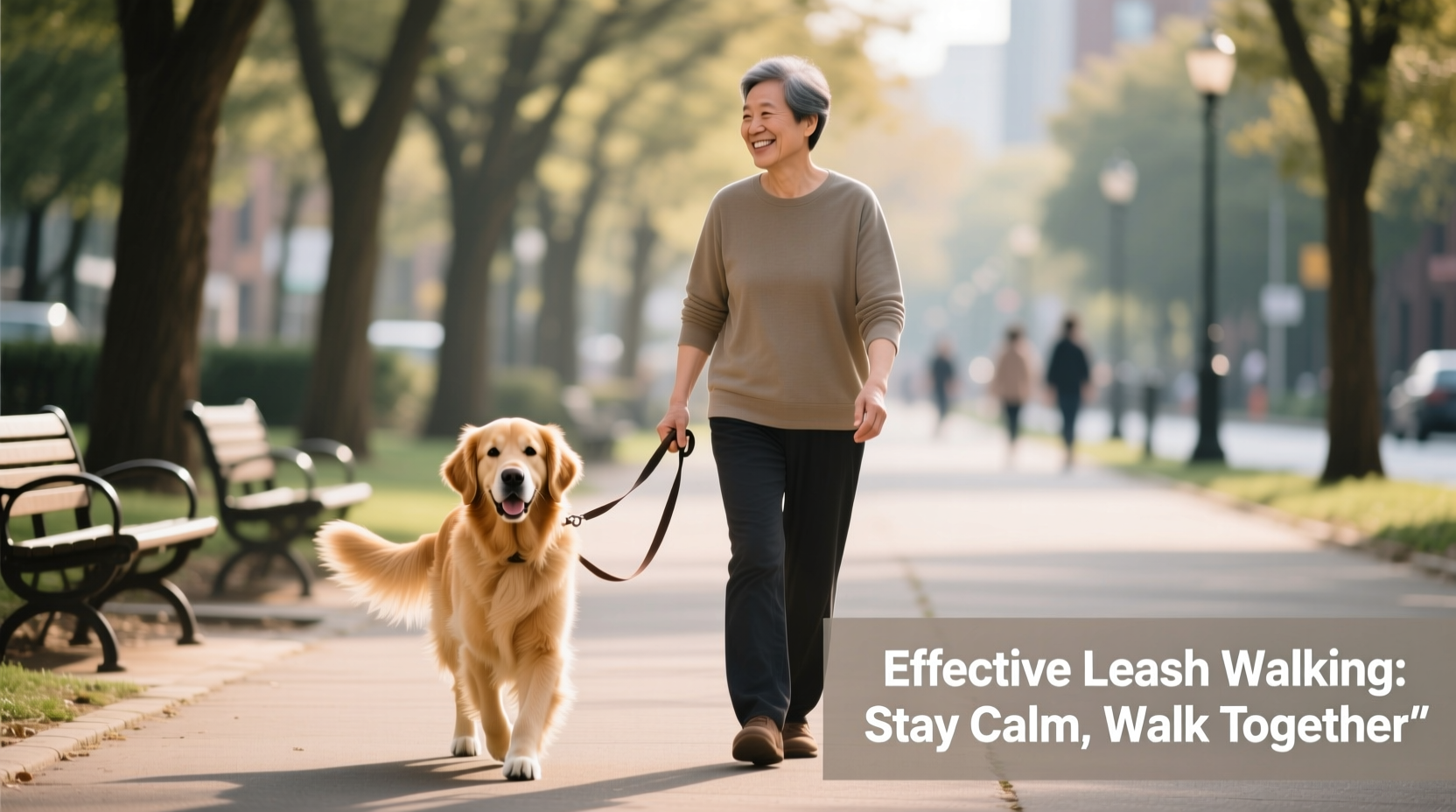
Dogs are naturally curious and driven by scent, movement, and social interaction. When they pull, it’s rarely out of defiance—it’s because they’re excited, anxious, or simply haven’t been taught an alternative. In most cases, pulling has been unintentionally reinforced: every time your dog moves forward while tugging, they get closer to what they want—whether it’s a squirrel, another dog, or just new smells.
Traditional methods like yanking back on the leash or using choke collars may suppress pulling temporarily but often increase fear or frustration. Modern, force-free training focuses on teaching dogs that walking calmly beside you leads to better outcomes—more freedom, more exploration, and more rewards.
Tip: Never punish your dog for pulling—instead, redirect their attention and reward calm behavior.Essential Tools for Stress-Free Leash Walking
Using the right equipment makes a significant difference. Not all leashes and harnesses are created equal, and some can actually encourage pulling or cause physical discomfort.
| Tool | Best For | Avoid If |
|---|---|---|
| Front-clip harness | Dogs that pull strongly; redirects movement gently | Your dog has spinal issues (consult vet) |
| Standard 6-foot leash | Controlled environments and training focus | You need long-range recall practice |
| Retractable leash | Casual walks in open, low-distraction areas | Training focus or crowded spaces |
| Head halter (e.g., Gentle Leader) | Highly reactive or strong dogs | Your dog shows signs of neck sensitivity |
A front-clip harness, which attaches at the chest rather than the back, allows you to guide your dog’s direction when they start to pull. It doesn’t hurt them—it simply makes it harder to move forward when off-leash protocol, encouraging them to turn back toward you.
Step-by-Step Guide to Teaching Loose-Leash Walking
Teaching your dog to walk without pulling takes patience, but the process is straightforward when broken into consistent steps. Begin in a quiet environment with minimal distractions.
- Start indoors or in your yard. Use treats to lure your dog into walking beside you. Say a cue like “let’s go” and take a few steps. Reward frequently when they stay close.
- Introduce the stop-and-go method. Every time your dog pulls ahead, stop moving. Stand still until the leash loosens, then say “yes” or “good,” and continue walking. This teaches them that pulling = no progress.
- Add verbal cues. Use a consistent word like “heel” or “with me” to signal the desired position. Pair it with treats and praise.
- Increase duration and distraction. Gradually move to sidewalks, parks, or busier areas. Practice near low-level distractions first, rewarding calm focus.
- Practice frequent turns. Make sudden U-turns when your dog surges ahead. This keeps them attentive and teaches them to watch you, not just the path.
- End on a positive note. Finish each session with success—end after a few calm steps, even if the rest was challenging.
Consistency across all family members is crucial. Everyone must follow the same rules—no exceptions. A single walk where pulling is rewarded can undo days of progress.
“Dogs don’t pull to dominate—they pull because it works. Change the outcome, and the behavior changes.” — Dr. Sophia Yin, Veterinarian and Animal Behaviorist
Reducing Stress and Reactivity on Walks
Some dogs aren’t just pulling—they’re stressed, barking, or trembling at common stimuli like bikes, other dogs, or loud noises. This reactivity stems from fear or overexcitement and requires a different approach than basic pulling.
The solution lies in counter-conditioning and desensitization. Start by identifying your dog’s trigger threshold—the distance at which they notice a stimulus but don’t react. At that distance, begin offering high-value treats (like chicken or cheese) the moment they see the trigger. Over time, your dog begins to associate the sight of, say, another dog, with something positive.
This technique, known as the “Look at That” (LAT) game, shifts their emotional response from anxiety to anticipation. As they become more comfortable, gradually decrease the distance while continuing to reward calm observation.
Tip: Carry pea-sized treats on walks specifically for training—keep them accessible in a treat pouch.Mini Case Study: Transforming Max, the Reactive German Shepherd
Max, a 3-year-old German Shepherd, would lunge and bark at passing cyclists, making walks stressful for his owner, Sarah. She began using a front-clip harness and practiced the LAT method. Starting 50 feet from bike paths, she gave Max a treat every time he glanced at a cyclist without reacting. After three weeks of daily 10-minute sessions, Max began looking at her instead of the bikes, expecting a reward. Within two months, they were walking peacefully through the park, with Max staying calm even as cyclists passed within 15 feet.
Checklist for Successful Leash Training
- ✅ Use a front-clip harness or head halter if needed
- ✅ Carry high-value treats on every walk
- ✅ Practice stop-and-go drills daily
- ✅ Avoid retractable leashes during training
- ✅ Keep training sessions short (5–10 minutes)
- ✅ Stay consistent with cues and responses
- ✅ Train in low-distraction areas first
- ✅ End each session positively
Frequently Asked Questions
How long does it take to stop a dog from pulling on the leash?
Most dogs show improvement within 2–4 weeks of consistent daily practice. However, full mastery can take several months, especially in high-distraction environments. Patience and repetition are essential.
Can older dogs learn not to pull?
Absolutely. Age doesn’t prevent learning. Older dogs may take longer due to established habits, but with consistent positive reinforcement, they can develop excellent leash manners at any stage of life.
Should I let my dog sniff during walks?
Yes—sniffing is mentally enriching and reduces stress. Designate parts of the walk as “sniff time” and others as “focus time.” This balance keeps your dog satisfied while maintaining training goals.
Conclusion: Transform Your Walks with Confidence
Walking your dog without pulling or stress isn’t a luxury—it’s a foundation of responsible pet ownership and mutual respect. By combining the right tools, consistent training, and an understanding of your dog’s needs, you can replace tension with trust. Each walk becomes an opportunity to strengthen your bond, build confidence, and enjoy the outdoors together.
💬 Ready to transform your daily walks? Start tonight with a 5-minute training session in your yard. Share your progress or questions in the comments—your journey inspires others!








