Bringing a cat indoors offers safety and comfort, but it often means relying on a litter tray—a solution that comes with odor, maintenance, and cleanup. For many pet owners, especially those with access to secure outdoor spaces, transitioning cats to use the outdoors naturally is a desirable goal. Done correctly, this shift can improve hygiene, reduce household chores, and support a more instinctive lifestyle for your feline companion. However, moving from a familiar litter box to outdoor toileting requires patience, consistency, and an understanding of feline behavior.
Cats are creatures of habit. Their elimination habits are deeply tied to routine, scent, and perceived safety. Attempting to force a sudden change can lead to stress, inappropriate elimination indoors, or even medical issues like urinary tract infections. The key lies in gradual acclimation, environmental reinforcement, and positive associations with the outdoors.
Understanding Feline Elimination Behavior
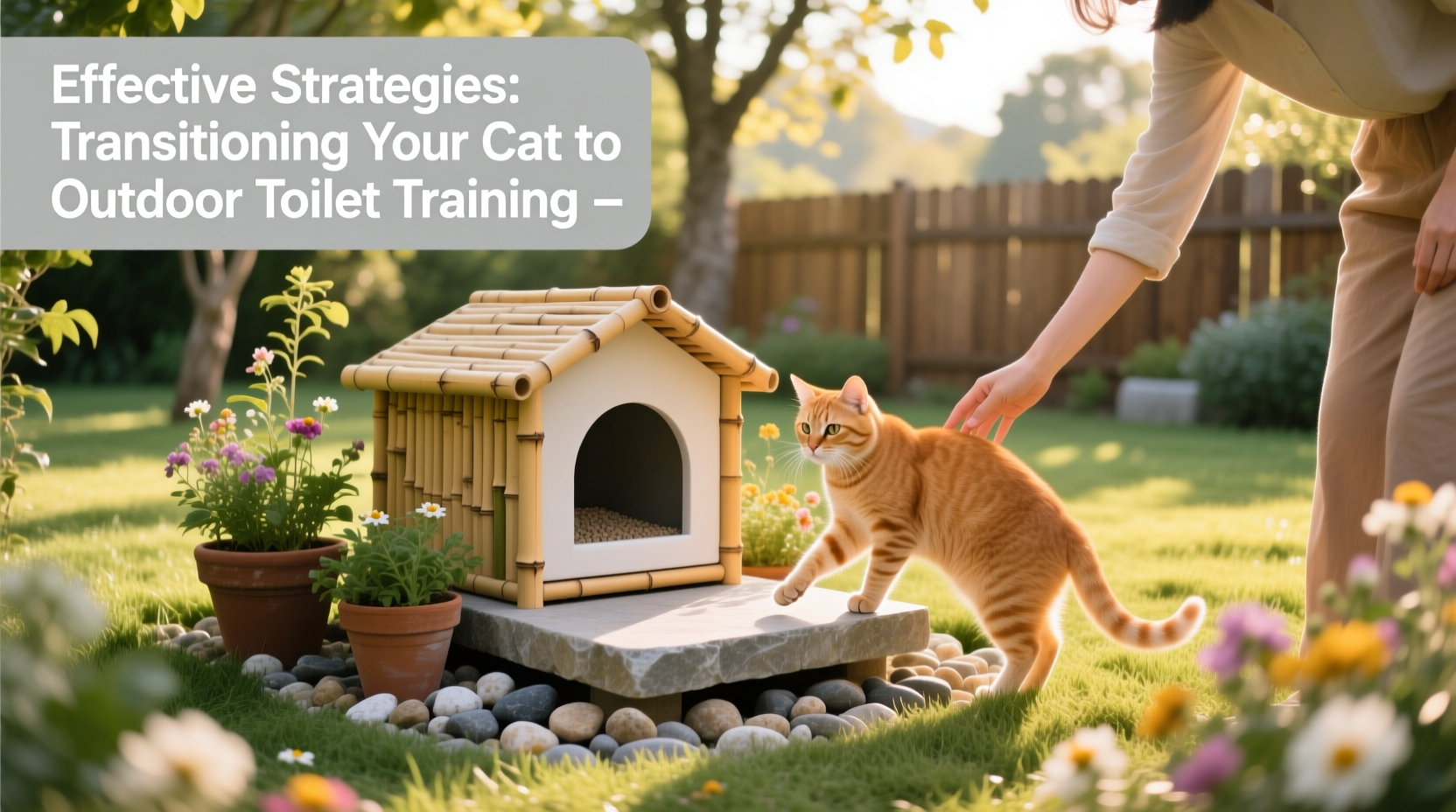
Cats instinctively seek soft, loose substrates—like soil or sand—to bury their waste. This behavior stems from their wild ancestry, where concealing scent helped avoid predators and assert territorial boundaries without confrontation. A litter tray mimics this environment, which is why most indoor cats adapt easily. To transition them outside, you must recreate these conditions in an outdoor setting while ensuring the space feels safe and accessible.
Outdoor toileting isn’t just about convenience; it can enhance your cat’s mental stimulation and physical activity. However, success depends on several factors: whether your cat is spayed or neutered, their age, temperament, and prior exposure to the outdoors. Indoor-only cats may initially fear open spaces or unfamiliar textures underfoot. That’s why the process should begin long before expecting results.
Tip: Start the transition when your household schedule is stable—avoid beginning during moves, new pets, or renovations.Step-by-Step Guide to Outdoor Toilet Training
Transitioning your cat to use the outdoors doesn’t happen overnight. It’s a phased process that builds confidence and reinforces new habits through repetition and reward.
- Assess Readiness: Ensure your cat is healthy, vaccinated, and comfortable near doors leading outside. Observe if they show curiosity about the outdoors.
- Create an Outdoor Litter Zone: Designate a quiet corner of your yard with loose soil or sandbox material. Keep it separate from play or feeding areas.
- Mimic Litter Texture: Use non-clumping, unscented cat litter mixed into the top layer of soil to bridge familiarity.
- Relocate the Indoor Tray Gradually: Move the litter box a few feet each day toward the exit, then just outside. This teaches proximity without disorientation.
- Supervise Initial Outdoor Trips: Accompany your cat outside after meals or naps—common elimination times—and praise quietly when they go.
- Phase Out the Tray: Once consistent outdoor use begins, remove the indoor tray completely to prevent regression.
- Maintain the Outdoor Area: Rake regularly, remove waste daily, and protect the zone from rain or predators with subtle barriers.
This timeline typically spans 3–6 weeks, depending on the individual cat. Some adapt within days; others need months of gentle encouragement.
Do’s and Don’ts During Transition
| Do’s | Don’ts |
|---|---|
| Use positive reinforcement (treats, calm voice) | Yell at or punish accidents |
| Keep the outdoor area clean and predictable | Change the location frequently |
| Monitor for signs of stress (hiding, over-grooming) | Force your cat outside unsupervised too soon |
| Ensure the space is predator-safe and escape-proof | Allow free roaming in unsafe neighborhoods |
| Be patient and consistent | Give up after minor setbacks |
Mini Case Study: Bella’s Successful Transition
Bella, a three-year-old domestic shorthair, had used a litter box since kittenhood. Her owner, Mark, lived in a suburban home with a fenced backyard and wanted to eliminate litter dust and odor. He began by placing a second tray near the back door filled with soil-litter mix. Over two weeks, he moved it outside onto a covered patio. Initially hesitant, Bella sniffed around but didn’t eliminate. Mark started taking her out on a leash after breakfast. After five days, she used the outdoor tray. Within ten days, he removed the tray entirely, leaving only raked soil. Now, Bella goes outside independently after meals and uses her designated patch consistently—even in light rain.
The turning point was consistency and timing. Mark never let her choose an alternative spot, cleaned accidents with enzyme cleaner, and rewarded every successful trip. His patience paid off: no indoor accidents in over four months.
Expert Insight on Feline Behavior
“Cats don’t resist change because they’re stubborn—they resist because they feel unsafe. The key to successful outdoor training is making the new option not just acceptable, but preferable.” — Dr. Lena Torres, DVM, Feline Behavior Specialist
Dr. Torres emphasizes that scent plays a critical role. When transitioning, avoid strong-smelling deterrents near the outdoor zone. Instead, use pheromone diffusers near the house entrance to ease anxiety. She also advises against rushing the process: “A cat that associates the outdoors with stress may develop lifelong aversion, even if physically capable of going outside.”
Tips for Multi-Cat Households
In homes with multiple cats, dynamics become more complex. Dominant cats may guard access to doors, while shy ones avoid conflict by holding their bladder or eliminating indoors. To manage this:
- Provide multiple exit points or stagger outdoor times.
- Establish more than one outdoor toileting zone to prevent territorial disputes.
- Monitor each cat individually during the transition phase.
- Avoid removing indoor trays until all cats show reliable outdoor behavior.
Frequently Asked Questions
Can older cats be trained to go outside?
Yes, but with greater patience. Senior cats may have reduced mobility or arthritis, making stairs or uneven terrain difficult. Provide easy access via ramps or ground-level exits, and ensure the outdoor surface is soft and dry. Consult your vet to rule out medical causes for reluctance.
What if my cat starts eliminating somewhere other than the designated spot?
This is common. Immediately stop using the area by blocking access or changing its texture (e.g., place rocks or plants there). Reinforce the correct zone with fresh soil and spent litter. Use enzymatic cleaners on accidental spots to remove lingering scent cues.
Is it safe for cats to defecate outside?
In controlled environments, yes. However, avoid letting cats use gardens intended for edible plants due to parasite risks like Toxoplasma gondii. Always clean feces within 24–48 hours to minimize health hazards and neighborhood concerns.
Final Checklist for Success
- ✅ Evaluate your cat’s personality and health
- ✅ Prepare a safe, quiet outdoor elimination zone
- ✅ Gradually relocate the litter tray toward the exit
- ✅ Supervise early outdoor visits and reward success
- ✅ Maintain cleanliness and consistency in the outdoor area
- ✅ Monitor for setbacks and adjust pace as needed
- ✅ Remove indoor trays only after consistent outdoor use
Conclusion
Transitioning your cat from a litter tray to outdoor toilet use is a rewarding journey that aligns with their natural instincts and simplifies daily care. While not every cat will adapt—especially those with anxiety or living in high-rise apartments—the right approach can make a significant difference for many households. By respecting your cat’s pace, creating a secure environment, and reinforcing progress positively, you lay the foundation for lasting behavioral change.
💬 Have you successfully transitioned your cat outdoors? Share your story or questions in the comments—your experience could help another cat owner find clarity and confidence.








