Transitioning a cat away from using a litter tray is an unusual but sometimes necessary step—especially for outdoor-access cats being brought indoors, kittens learning elimination habits, or senior cats adapting to new living conditions. While most cats instinctively use litter trays, some owners seek to encourage natural outdoor elimination behaviors for health, hygiene, or environmental enrichment reasons. This process requires understanding feline instincts, creating safe alternatives, and guiding your cat gently through behavioral change. Done correctly, it can lead to a healthier, more confident cat with a stronger bond to their environment.
Understanding Why You Might Transition Away from Litter
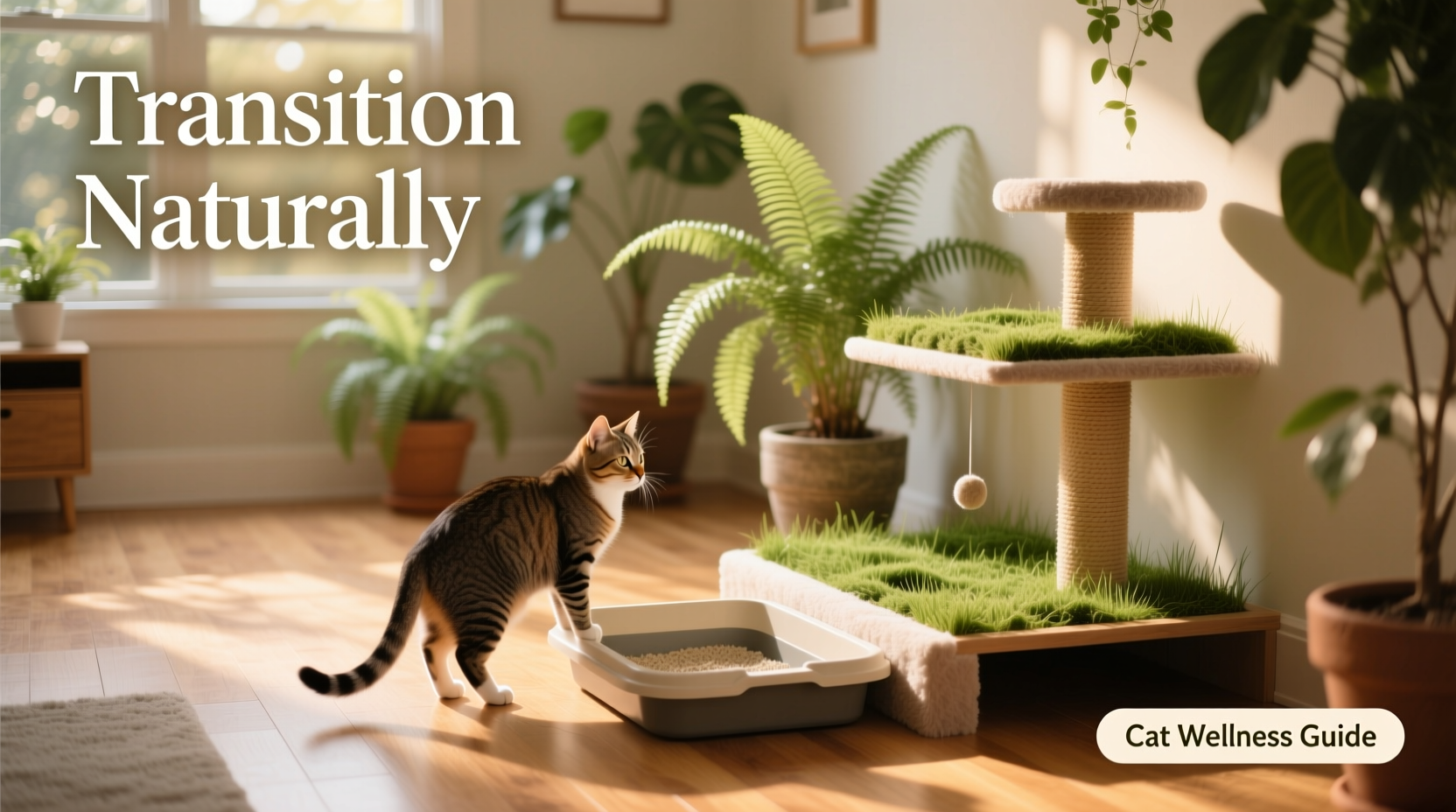
Cats are fastidious animals by nature. In the wild, they bury waste to avoid attracting predators and mark territory subtly through scent. The litter tray mimics this behavior, but prolonged indoor confinement without access to natural substrates may contribute to stress, inappropriate elimination, or urinary issues in sensitive cats. Some owners opt for a transition to outdoor or indoor natural surfaces—like soil, sand, or grass patches—to support instinctual behaviors and reduce reliance on artificial environments.
This shift isn't about eliminating convenience entirely but reintroducing elements of natural choice. Veterinarians and animal behaviorists agree that when managed properly, such transitions can enhance a cat’s mental well-being. However, safety, supervision, and gradual adaptation are critical.
“Allowing cats to express natural elimination behaviors reduces stress-related disorders and supports overall urinary and digestive health.” — Dr. Lena Reyes, Feline Behavior Specialist
Step-by-Step Guide: Transitioning Your Cat Naturally
Moving your cat from a traditional litter tray to a natural alternative should be slow, respectful of their routines, and based on positive reinforcement. Sudden changes often result in regression or anxiety-induced accidents. Follow this six-phase timeline for best results:
- Assess Readiness (Days 1–3): Observe your cat’s current habits. Are they consistent? Do they show interest in soil or grass when near windows or during walks? Only proceed if your cat is healthy and stress-free.
- Create a Controlled Outdoor Space (Days 4–7): If possible, set up a secure catio (cat patio) or enclosed garden area with a designated digging zone filled with loose soil or sand.
- Introduce Natural Substrate Gradually (Weeks 2–3): Place a shallow tray of soil or sand beside the litter box. Let your cat explore it. Reward curiosity with treats or praise.
- Blend Substrates (Weeks 4–5): Mix increasing amounts of soil into the litter. Start with 25% soil, then 50%, 75%, until fully transitioned.
- Relocate the Tray (Week 6): Move the now-soil-filled tray outdoors or to a designated indoor spot (e.g., balcony, sunroom). Ensure it's quiet, private, and sheltered from weather.
- Phase Out the Tray (Week 7+): Once your cat consistently uses the natural area, remove the tray. Monitor closely for setbacks.
Do’s and Don’ts During the Transition
| Do’s | Don’ts |
|---|---|
| Maintain a consistent routine for feeding and bathroom access | Rush the process or force outdoor trips |
| Use unscented, chemical-free soil or sand | Use garden soil treated with pesticides or fertilizers |
| Provide multiple access points to the elimination area | Punish accidents—this increases stress and hinders progress |
| Keep the original litter box nearby during early stages | Place the natural area near noisy appliances or foot traffic |
| Monitor stool and urine output for health changes | Leave your cat unattended in unfamiliar outdoor spaces |
Real Example: Transitioning Luna, the Apartment Cat
Luna, a three-year-old domestic shorthair, lived in a high-rise apartment with no outdoor access. Her owner, Mark, noticed she often scratched at the carpet near the balcony door, indicating a desire for natural substrate. Concerned about chronic mild constipation and stress-related overgrooming, he consulted a veterinary behaviorist who suggested introducing a natural elimination option.
Mark created a small indoor “earth patch” using organic potting soil in a low-sided planter box placed on the balcony. He placed Luna’s litter tray beside it and gradually mixed soil into her litter over three weeks. He used clicker training to reward any interaction with the soil. Within five weeks, Luna began choosing the soil box independently. After eight weeks, the litter tray was removed. Her bowel movements became more regular, and her overgrooming decreased significantly.
Luna’s success was due to patience, environmental enrichment, and respecting her natural inclinations—not forcing change.
Essential Tips for Long-Term Success
- Ensure the natural area is accessible at all times, especially for older or arthritic cats.
- Keep the space clean—remove waste daily to prevent odor aversion.
- Protect the area from rain, wind, and extreme temperatures.
- Rotate substrate occasionally to maintain freshness and appeal.
- Consider indoor grass mats or hydroponic trays for urban dwellers without outdoor access.
Checklist: Preparing for the Transition
Before beginning, ensure you have everything in place:
- ✅ A safe, enclosed outdoor space or secure indoor alternative
- ✅ Organic, non-toxic soil or fine sand
- ✅ Shallow container or defined ground area for the natural substrate
- ✅ High-value treats for positive reinforcement
- ✅ Time commitment (minimum 6–8 weeks for full transition)
- ✅ Veterinary clearance to rule out medical causes of elimination issues
- ✅ Backup litter tray available during transition
Frequently Asked Questions
Can I transition an older cat away from litter?
Yes, but proceed more slowly. Older cats may have joint pain or reduced mobility, so ensure the natural area is easy to access. Raised edges or ramps can help. Consult your vet before making changes, especially if your cat has a history of urinary tract issues.
What if my cat refuses to use the natural area?
Some cats never adapt, and that’s okay. Forcing the issue can damage trust. Reassess whether the location, substrate, or timing needs adjustment. If resistance persists, continue using litter—it remains a valid, hygienic solution for millions of cats.
Is it safe for indoor cats to go outside just for elimination?
Only if the outdoor space is fully contained and predator-proof. Even brief unsupervised outings pose risks. Consider leash training or a catio for safer exposure. Never allow free-roaming unless you’re certain of local hazards.
Final Thoughts: Respecting Your Cat’s Instincts
Transitioning your cat away from a litter tray isn’t about rejecting modern pet care—it’s about enriching it. When done thoughtfully, this process honors your cat’s evolutionary needs while promoting physical and emotional health. Not every cat will make the switch, and that’s perfectly acceptable. The goal is not perfection but improved well-being through choice, comfort, and connection to natural behaviors.
Start small, observe closely, and celebrate subtle progress. Whether your cat fully transitions or simply enjoys occasional time in a soil patch, you’re offering something valuable: autonomy.
💬 Have you tried transitioning your cat to natural elimination? Share your experience, challenges, or tips in the comments—your story could help another cat guardian find the right path.








