Dogs bring joy, loyalty, and companionship—but sometimes, they also bring chaos. One common yet frustrating behavior many pet owners face is dogs knocking over their food or water bowls during meals. This not only creates a messy cleanup but can also lead to wasted food, inconsistent hydration, and even anxiety around mealtimes. The good news? With the right approach, this behavior can be managed and often eliminated entirely. Understanding why dogs engage in this habit—and applying targeted, humane strategies—can transform feeding time into a peaceful, mess-free experience.
Why Dogs Knock Over Their Bowls
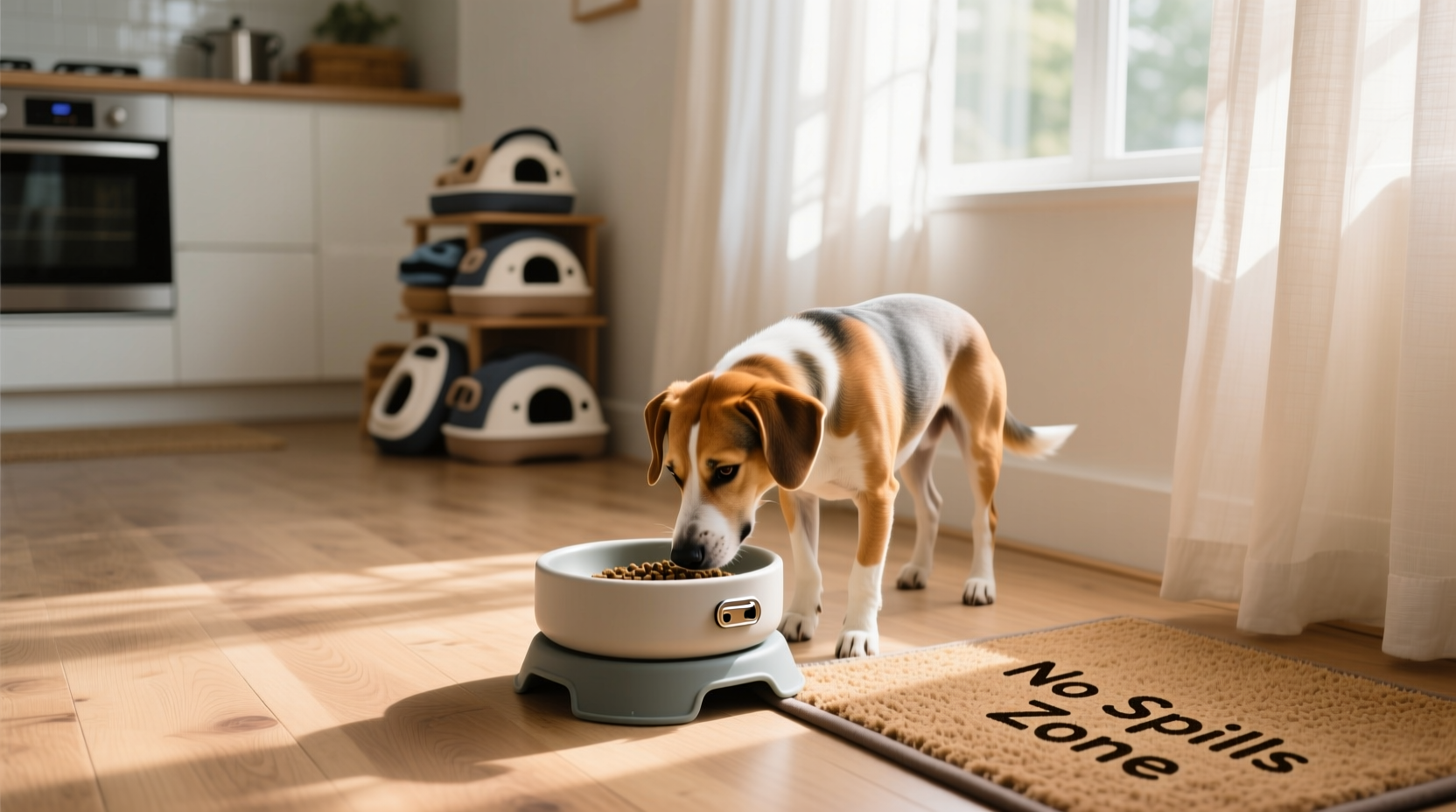
Dogs don’t knock over their bowls out of spite or mischief. Most behaviors stem from instinct, environment, or unmet needs. Common reasons include:
- Instinctual foraging behavior: In the wild, dogs would paw at food sources to uncover hidden prey or move items. This natural instinct can manifest as nudging or flipping bowls.
- Excitement or impatience: High-energy breeds may rush their meal, bumping the bowl in their eagerness.
- Boredom or excess energy: A dog with pent-up energy might treat the bowl like a toy, especially if under-stimulated.
- Unstable or slippery surfaces: Lightweight plastic bowls on smooth floors are easily tipped, reinforcing the behavior through repeated success.
- Medical issues: Dental pain or vision problems may cause a dog to avoid putting their head down, leading to pawing or pushing instead.
Identifying the root cause is essential before implementing corrective strategies. A sudden change in feeding behavior should prompt a veterinary checkup to rule out health concerns.
Tip: Observe your dog’s body language during meals. Signs of discomfort, such as lip licking, head tilting, or reluctance to eat, may indicate pain rather than behavioral issues.Choosing the Right Bowl and Placement
The type of bowl and where you place it significantly influence whether it stays upright. Not all bowls are created equal when it comes to stability and durability.
| Bowl Type | Stability Level | Best For | Limitations |
|---|---|---|---|
| Stainless Steel (weighted base) | High | All dogs, especially large or active ones | Can be noisy on hard floors |
| Ceramic (heavy, non-slip) | High | Indoor use, medium to large dogs | Fragile; not ideal for chewers |
| Plastic (lightweight) | Low | Temporary or travel use | Easily flipped; can harbor bacteria |
| Silicone (non-slip bottom) | Medium | Puppies, small dogs | May still be pushed across floor |
Opt for heavy-duty materials with non-slip bases or consider placing bowls on rubber matting or anti-skid placemats. Avoid elevated feeders unless recommended by a vet, as they can encourage gulping and increase tipping leverage in some dogs.
Step-by-Step Guide to Prevent Bowl Tipping
Changing your dog’s feeding behavior requires consistency and patience. Follow this five-step process to create lasting results:
- Assess the current setup: Evaluate the bowl type, surface, and feeding environment. Is the bowl lightweight? Is the floor slick? Make immediate adjustments to reduce tipping opportunities.
- Introduce a slow feeder or puzzle bowl: These bowls require dogs to work for their food, reducing speed and excitement. They’re heavier and harder to flip, while also promoting mental stimulation.
- Train impulse control: Practice “leave it” and “wait” commands during meals. Start with short durations and reward calm behavior. Gradually increase wait times before allowing access to food.
- Feed in a confined space: Use a corner, crate, or feeding station with barriers to limit movement. This reduces room for playfulness and contains spills if they occur.
- Reinforce positive behavior: Praise and treat your dog immediately after calm eating. Avoid scolding after tipping—it can create negative associations with mealtimes.
“Dogs learn best through consistent reinforcement. If you reward calm behavior every time, the novelty of knocking over the bowl will fade.” — Dr. Lena Torres, Certified Canine Behaviorist
Real Example: Turning Chaos into Calm
Max, a two-year-old Border Collie, had a reputation for turning dinner into a disaster. His owner, Sarah, found kibble scattered across her kitchen daily. After consulting a trainer, she discovered Max was both overstimulated and eating too fast. She replaced his flimsy plastic bowl with a stainless steel slow feeder, placed it on a rubber mat in a quiet corner, and began practicing “wait” for 10 seconds before each meal. Within three weeks, Max ate calmly without touching the bowl’s edges. Spills dropped by 90%, and Sarah reported that Max seemed more relaxed overall.
This case highlights how combining environmental changes with behavioral training leads to sustainable results.
Checklist for Mess-Free Feeding
Use this checklist to ensure your feeding routine supports calm, stable meals:
- ✅ Replace lightweight bowls with heavy, non-slip alternatives
- ✅ Place bowls on textured mats or carpeted areas
- ✅ Feed in a low-distraction area away from foot traffic
- ✅ Incorporate a slow feeder or interactive bowl
- ✅ Practice basic obedience commands before meals
- ✅ Monitor for signs of dental or gastrointestinal discomfort
- ✅ Clean bowls daily to maintain hygiene and prevent bacterial buildup
Frequently Asked Questions
Can I train an older dog to stop knocking over their bowl?
Yes. While puppies may adapt faster, adult dogs are fully capable of learning new behaviors. Consistency, positive reinforcement, and environmental adjustments are key. Older dogs may have established habits, but with patience, those can be reshaped.
Are elevated feeders bad for dogs who tip bowls?
Not inherently, but they can increase leverage, making tipping easier. Some large breeds benefit from elevated feeders for joint health, but only if the unit is stable and secured. Consider models with wide, weighted bases and non-slip feet.
What if my dog knocks over the bowl after finishing eating?
This may be playful behavior or an attempt to “bury” excess food—a leftover instinct from wild ancestors. Remove the bowl promptly after meals and avoid overfilling. If the behavior persists, consult a behaviorist to assess underlying motivations.
Final Thoughts and Call to Action
Mess-free feeding isn’t just about cleanliness—it’s about creating a safe, stress-free environment where your dog can enjoy meals without confusion or overexcitement. By understanding the causes behind bowl-knocking and applying practical, science-backed strategies, you can foster better eating habits and strengthen your bond with your pet. Start today: evaluate your current setup, introduce one improvement, and observe the difference. Small changes compound into big results.
💬 Have a success story or unique solution? Share your experience in the comments below—your insight could help another pet owner reclaim their kitchen!








