Dog owners often notice their pets licking or chewing at their legs, sometimes obsessively. While occasional grooming is normal, persistent chewing can signal underlying health issues, discomfort, or behavioral problems. Left unchecked, this habit can lead to skin infections, hair loss, and even open sores. Addressing the root cause—whether medical, environmental, or psychological—is essential for long-term resolution. The goal isn’t just to stop the chewing but to support a healthier, more balanced lifestyle for your dog.
Understanding Why Dogs Chew Their Legs
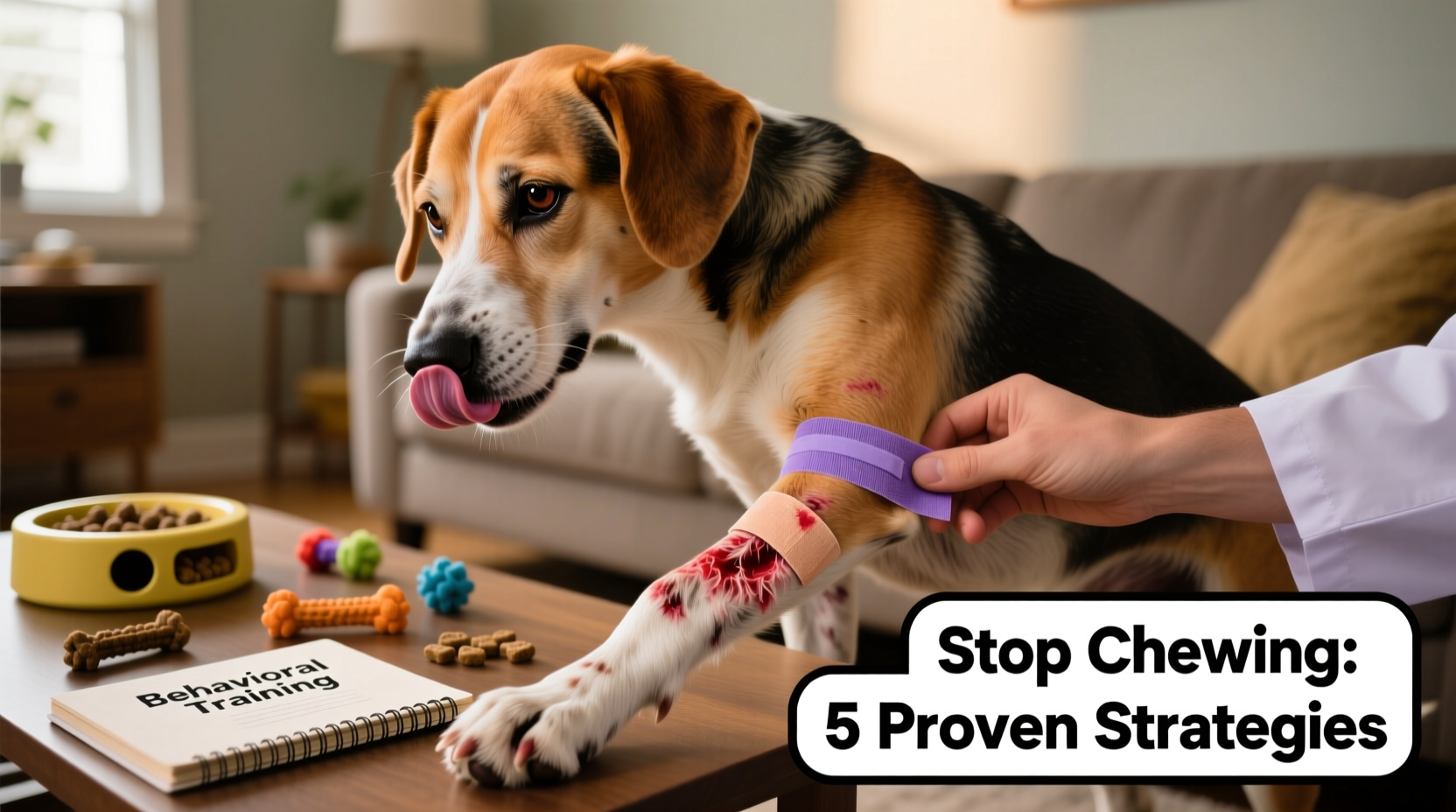
Dogs chew their legs for a variety of reasons, ranging from physical discomfort to emotional stress. Identifying the trigger is the first step toward an effective solution. Common causes include:
- Allergies: Environmental allergens (pollen, dust) or food sensitivities can cause intense itching, prompting dogs to chew at irritated areas.
- Skin infections: Bacterial or fungal infections often develop in warm, moist areas like between toes or on inner legs.
- Parasites: Fleas, ticks, and mites are frequent culprits, especially if biting occurs seasonally or in specific spots.
- Pain or injury: Arthritis, sprains, or foreign objects lodged in the paw may lead to focused chewing.
- Anxiety or boredom: Dogs left alone for long periods may resort to self-soothing behaviors like licking or chewing.
- Compulsive disorders: In some cases, repetitive chewing becomes a compulsive habit, similar to obsessive behaviors in humans.
Because the causes are diverse, a one-size-fits-all approach rarely works. A thorough assessment helps ensure treatment targets the real issue, not just the symptom.
Step-by-Step Guide to Address Leg Chewing
Resolving leg-chewing behavior requires a structured approach. Follow these steps to identify, treat, and prevent recurrence:
- Observe and document the behavior. Note when, where, and how often the chewing occurs. Is it during storms? After meals? Only on one leg? This information helps distinguish between medical and behavioral triggers.
- Schedule a veterinary exam. Rule out physical causes such as infections, allergies, or joint pain. Your vet may recommend blood tests, skin scrapings, or an elimination diet.
- Treat any diagnosed condition. If allergies are confirmed, medications, hypoallergenic diets, or antihistamines may be prescribed. For parasites, use vet-approved preventatives.
- Address environmental stressors. Reduce anxiety by maintaining a consistent routine, providing safe spaces, and using calming aids like pheromone diffusers.
- Increase mental and physical stimulation. A tired dog is less likely to engage in destructive habits. Daily walks, puzzle toys, and training sessions help redirect energy.
- Interrupt and redirect the behavior. When you catch your dog chewing, calmly distract them with a toy or command, then reward alternative behavior.
- Use protective measures temporarily. Elizabethan collars or soft recovery suits can prevent further damage while treatments take effect.
Common Mistakes to Avoid
Well-meaning owners sometimes unintentionally make the problem worse. Here’s what not to do:
| Mistake | Why It’s Harmful | Better Alternative |
|---|---|---|
| Using over-the-counter anti-itch creams without vet approval | Some ingredients (e.g., hydrocortisone) can be toxic if ingested | Consult your vet for safe topical treatments |
| Ignoring early signs of chewing | Minor irritation can escalate into infection or acral lick granuloma | Act early with observation and vet consultation |
| Assuming it’s “just a habit” without medical evaluation | Underlying pain or allergy may go untreated | Rule out medical causes first |
| Leaving the dog alone for long hours without enrichment | Boredom fuels compulsive behaviors | Provide interactive toys and scheduled activity |
Expert Insight: The Role of Behavior and Biology
Veterinary dermatologists and animal behaviorists emphasize that chronic leg chewing is rarely \"just bad behavior.\" It's often a sign of distress—physical or emotional.
“Licking releases endorphins, which calm the dog. That’s why it becomes reinforcing—even when the original trigger is gone.” — Dr. Lena Torres, Veterinary Behavior Specialist
This neurological feedback loop explains why some dogs continue chewing even after the initial cause (like a flea bite) has healed. Breaking the cycle requires both treating the source and retraining the behavior.
Mini Case Study: Max, the Anxious Terrier
Max, a 4-year-old Jack Russell Terrier, began chewing his right hind leg after his owner started working longer hours. At first, the family assumed he had an insect bite. Over time, the area became raw and thickened. A vet visit revealed no parasites or infection, but Max showed signs of separation anxiety.
The solution involved a multi-pronged strategy: daily 30-minute walks, two short training sessions per day, a puzzle feeder for mealtime, and a DAP (dog-appeasing pheromone) diffuser. His owner also recorded a calming audio message played when leaving. Within six weeks, Max’s chewing decreased significantly. After eight weeks, the wound had healed, and the behavior stopped entirely.
Max’s case highlights that even when no medical issue is present, emotional well-being plays a crucial role in physical habits.
Checklist: Action Plan to Stop Leg Chewing
Use this checklist to systematically address your dog’s leg-chewing behavior:
- ✅ Observe frequency, location, and timing of chewing
- ✅ Schedule a full veterinary check-up
- ✅ Test for allergies (food or environmental)
- ✅ Treat any infections or parasite infestations
- ✅ Evaluate your dog’s daily routine for stress or boredom
- ✅ Increase physical exercise and mental challenges
- ✅ Introduce calming tools (e.g., pheromone diffusers, music)
- ✅ Redirect chewing with toys or commands when caught in the act
- ✅ Use a cone or recovery suit if wounds are present
- ✅ Reassess progress every two weeks and adjust as needed
Frequently Asked Questions
Can food allergies really cause my dog to chew his leg?
Yes. Food allergies often manifest as skin irritation, particularly around the paws, legs, and ears. Common allergens include beef, dairy, chicken, wheat, and soy. An elimination diet under veterinary supervision can help identify the trigger.
Is it safe to let my dog lick himself at all?
Moderate licking is part of natural grooming. However, excessive, focused licking that leads to redness, hair loss, or odor indicates a problem. Monitor closely and intervene before sores develop.
How long does it take to break a chewing habit?
Behavioral changes typically take 4–8 weeks with consistent intervention. Medical treatments may show improvement within days or weeks, but full recovery depends on addressing both physical and emotional factors.
Conclusion: Building a Healthier, Happier Dog
Stopping your dog from chewing his leg isn’t about suppression—it’s about understanding and support. Whether the cause is an undiagnosed allergy, a silent ache, or unmet emotional needs, your response shapes the outcome. With patience, proper care, and proactive strategies, most dogs can overcome this habit and thrive. The key is to act early, involve professionals when needed, and create an environment where your dog feels secure and engaged.
💬 Have a story about overcoming your dog’s chewing habit? Share your experience in the comments—your insight could help another pet owner find relief.








