Destructive chewing is one of the most common behavioral issues among dog owners, especially with puppies and younger dogs. While it may seem like a minor annoyance at first, unchecked chewing can escalate into costly damage and even danger if your dog ingests toxic materials or electrical cords. The good news: chewing is a natural behavior that can be redirected with consistency, understanding, and the right approach. By addressing both the root causes and implementing practical solutions, you can teach your dog what is—and isn’t—acceptable to chew, creating a safer, calmer home environment.
Understand Why Dogs Chew
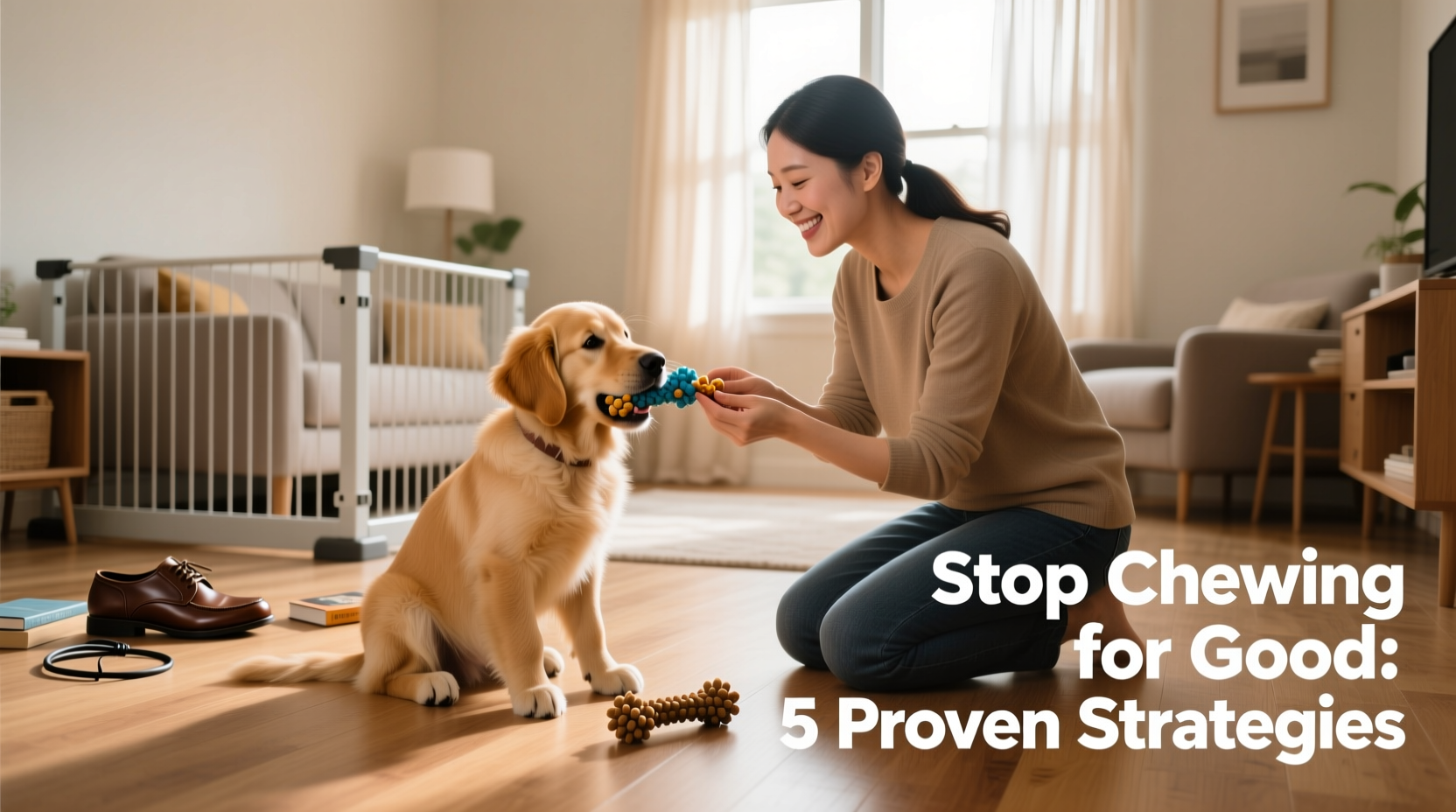
Chewing is instinctual. Puppies explore the world through their mouths, much like human babies do. Adult dogs may chew due to boredom, anxiety, lack of exercise, or unmet dental needs. Teething in puppies (typically between 3–6 months) increases the urge to chew as new teeth emerge. For adult dogs, chewing relieves stress and keeps jaws strong.
The key is not to eliminate chewing but to redirect it appropriately. When a dog chews on shoes, furniture, or baseboards, it’s often because they haven’t been taught alternatives or aren’t getting enough physical and mental stimulation.
“Dogs don’t chew out of spite—they chew because the behavior meets a need. Our job is to guide them toward better outlets.” — Dr. Karen Becker, Veterinary Naturopath and Canine Behavior Advocate
Step-by-Step Guide to Stop Destructive Chewing
Eliminating unwanted chewing requires a structured, consistent plan. Follow this timeline over 4–6 weeks to see lasting results:
- Week 1: Puppy-proof and assess habits – Remove all tempting items (shoes, cords, books). Observe when and where chewing occurs. Note patterns such as post-nap chewing or alone-time destruction.
- Week 2: Introduce high-value chew toys – Stock up on durable, safe chew toys made for aggressive chewers (e.g., rubber Kongs, nylon bones). Rotate toys every few days to maintain interest.
- Week 3: Reinforce positive choices – Whenever your dog picks a toy over a forbidden item, reward immediately with praise or a treat. Use a marker word like “Yes!” to signal approval.
- Week 4: Increase mental and physical exercise – Add daily walks, off-leash play, or training sessions. A tired dog is less likely to seek stimulation through chewing.
- Weeks 5–6: Gradually reintroduce controlled access – Allow supervised freedom in previously off-limits areas. Correct gently (with redirection, not punishment) if chewing resumes.
Effective Training Techniques and Tools
Positive reinforcement is far more effective than punishment when correcting chewing behaviors. Yelling or rubbing a dog’s nose in messes creates fear, not learning. Instead, use these proven methods:
- Redirection: When you catch your dog chewing something inappropriate, calmly say “Leave it,” offer an approved chew toy, and praise when they switch.
- Management with baby gates or crates: Limit access to high-risk areas when unsupervised. Crates should be safe havens, not punishment zones—stock them with toys and treats.
- Bitter sprays: Apply pet-safe deterrents (like Grannick’s Bitter Apple) to furniture legs, cords, or baseboards. Most dogs dislike the taste and avoid treated surfaces.
- Training commands: Teach “Leave it” and “Drop it” using short, daily practice sessions. These commands are invaluable for preventing chewing before it starts.
Do’s and Don’ts of Chewing Management
| Do | Don’t |
|---|---|
| Provide multiple chew toy options suited to your dog’s size and chewing strength | Give old shoes or socks as “chew toys”—this confuses boundaries |
| Supervise closely during early training phases | Scold after the fact—dogs can’t connect past actions to current punishment |
| Rotate toys weekly to prevent boredom | Use punitive tools like shock collars or spray bottles |
| Exercise your dog before leaving them alone | Leave valuable or dangerous items within reach |
Real Example: Turning Around a Furniture Destroyer
Mia, a 7-month-old Labrador mix, was destroying her owner’s leather sofa whenever left alone. Initial attempts—spraying vinegar, yelling, and crating—only increased her anxiety. A certified trainer assessed the situation and found two main issues: insufficient daily exercise and lack of chew alternatives.
The solution involved three changes: First, Mia began receiving two 45-minute walks plus a puzzle toy session each day. Second, durable rubber toys filled with frozen banana-yogurt mix were introduced. Third, the sofa was protected with a bitter spray while she was retrained.
Within three weeks, Mia stopped targeting the furniture. After six weeks, she consistently chose her toys—even when the sofa was uncovered. Her owner reported a dramatic improvement in overall calmness and obedience.
Checklist: Prevent Chewing Before It Starts
Use this checklist daily, especially during the first month of training:
- ✅ Remove or secure all non-chewable items within dog’s reach
- ✅ Provide at least two appropriate chew toys in each room your dog accesses
- ✅ Engage in 30+ minutes of physical activity (walk, fetch, play)
- ✅ Offer one mentally stimulating activity (training, puzzle toy, scent game)
- ✅ Supervise or confine when unable to watch directly
- ✅ Reward immediately when dog chooses a toy over household items
- ✅ Reapply deterrent spray weekly or after cleaning
Frequently Asked Questions
Is chewing a sign of separation anxiety?
It can be. If your dog only chews when left alone, shows other signs like excessive barking, pacing, or house soiling, separation anxiety may be the cause. In such cases, gradual desensitization to departures and professional help from a veterinary behaviorist are recommended.
How long does it take to stop destructive chewing?
Most dogs show improvement within 3–4 weeks of consistent training. Full resolution typically takes 6–8 weeks. Puppies may require ongoing management until 12–18 months, when impulse control matures.
Are some breeds more prone to chewing?
Yes. High-energy breeds like Border Collies, Labradors, German Shepherds, and Terriers often have stronger chewing drives. However, any dog—regardless of breed—can develop destructive habits without proper guidance and stimulation.
Conclusion: Consistency Builds Lasting Change
Stopping your dog from chewing household items isn’t about perfection—it’s about patience, structure, and empathy. Understand that your dog isn’t being “bad”; they’re responding to instincts and needs that you now have the tools to manage. With the right combination of training, enrichment, and environmental control, you can transform destructive chewing into a thing of the past.
🚀 Start today: Pick one strategy from this guide—whether it’s rotating toys, applying a bitter spray, or adding a second walk—and implement it consistently for one week. Small steps lead to big results. Share your progress or questions in the comments below—we’re all learning together.








