Dog owners often face the frustrating reality of returning home to chewed shoes, gnawed furniture legs, or shredded cushions. While chewing is a natural behavior for dogs—especially puppies—it becomes problematic when it's excessive or misdirected. The good news: with consistency, understanding, and the right approach, you can redirect your dog’s chewing habits and safeguard your belongings. This guide outlines proven strategies that combine behavioral insight, environmental management, and positive reinforcement to create lasting change.
Understand Why Dogs Chew
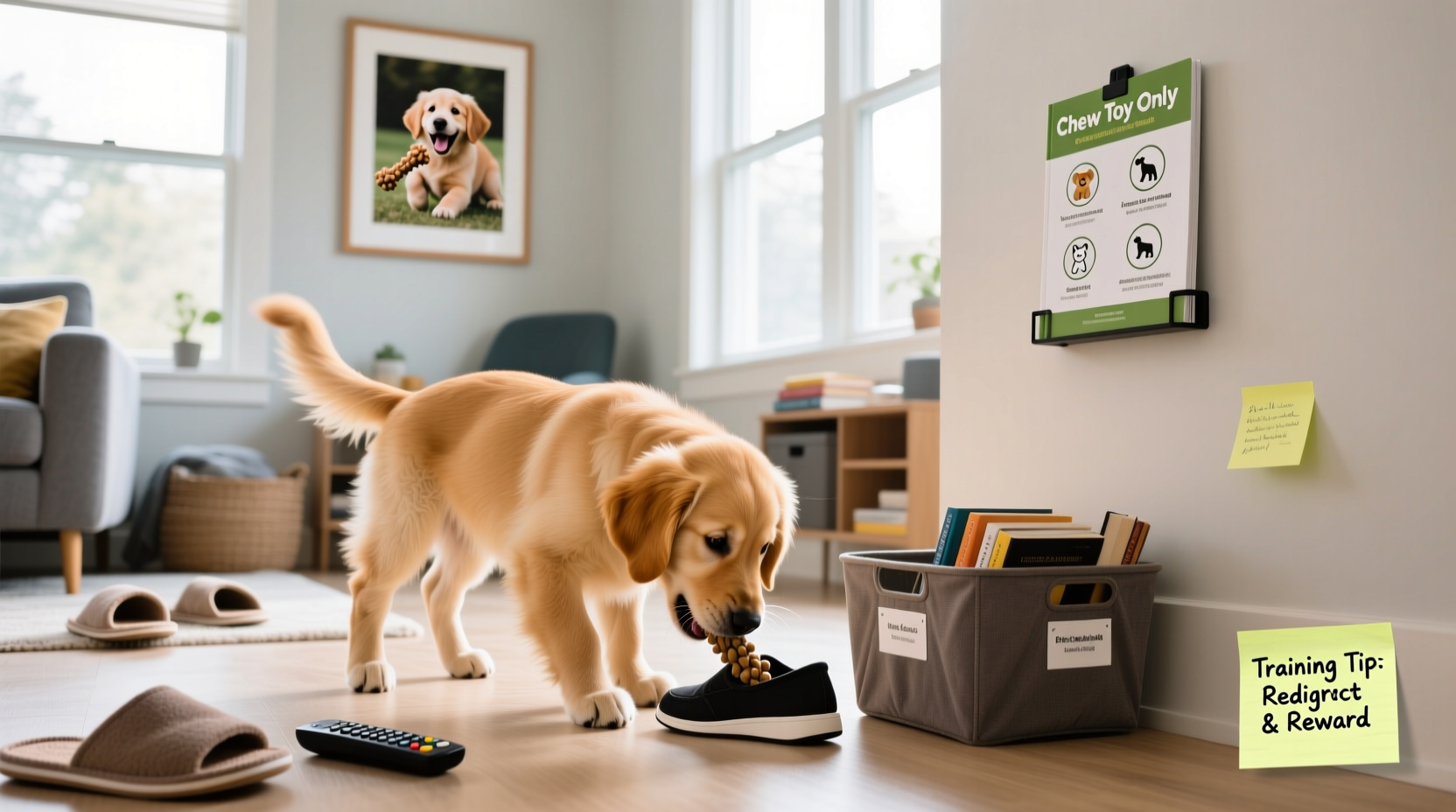
Before addressing destructive chewing, it’s essential to understand the underlying causes. Chewing serves multiple purposes in canine behavior:
- Puppy teething (3–6 months): Puppies chew to relieve gum discomfort as adult teeth emerge.
- Boredom or lack of stimulation: Dogs left alone without mental or physical engagement may resort to chewing out of frustration.
- Anxiety or stress: Separation anxiety, fear, or changes in routine can trigger destructive behaviors.
- Exploration: Dogs use their mouths to explore the world, much like human babies.
- Lack of training: Without clear boundaries, dogs don’t instinctively know what’s off-limits.
Identifying the root cause allows you to tailor your response effectively. A puppy chewing due to teething needs different support than an adult dog exhibiting anxiety-driven destruction.
Tip: If your dog chews only when left alone, consider separation anxiety as a possible factor and consult a certified trainer.Create a Dog-Safe Environment
One of the most immediate ways to prevent damage is to manage your dog’s environment. Think of it as “puppy-proofing” or “dog-proofing” your space—similar to childproofing a home.
- Remove temptation: Store shoes, cords, books, and other tempting items out of reach or behind closed doors.
- Use barriers: Baby gates or exercise pens can limit access to high-risk areas like living rooms or kitchens.
- Cover or protect furniture: Use bitter-tasting sprays on table legs or couch corners. Physical covers (like plastic corner guards) also help.
- Secure trash and cabinets: Dogs are drawn to food smells. Use latched bins and cabinet locks.
Remember, no amount of training will succeed if your dog has constant access to forbidden items. Prevention sets the stage for learning.
Provide Appropriate Chew Alternatives
Dogs need to chew. The key is directing that instinct toward acceptable outlets. Offer a variety of safe, durable chew toys that match your dog’s size, age, and chewing intensity.
| Dog Type | Recommended Chew Toys | Avoid |
|---|---|---|
| Puppies (3–6 months) | Soft rubber toys, frozen teething rings, plush chewables | Hard bones, rawhide, small parts that can be swallowed |
| Adult moderate chewers | Kong-style rubber toys, nylon bones, rope toys | Foam balls, flimsy plush toys |
| Power chewers (e.g., Labradors, Pit Bulls) | Heavy-duty rubber toys, antlers, sterilized bones | Rawhide, thin plastic, stuffed animals with squeakers |
Rotate toys weekly to maintain interest. You can also stuff rubber toys with peanut butter (xylitol-free), mashed banana, or kibble to increase engagement.
“Dogs aren’t born knowing what to chew—they learn through consequences and availability. Provide better options, and they’ll choose them.” — Dr. Sarah Jensen, Certified Applied Animal Behaviorist
Train with Positive Reinforcement
Effective training doesn’t rely on punishment but on rewarding desired behaviors. Here’s a step-by-step method to teach your dog what’s acceptable to chew:
- Catch your dog in the act of chewing something appropriate. Immediately say “Good chew!” and offer praise or a treat.
- If your dog picks up something forbidden, calmly say “Leave it,” replace the item with an approved toy, and reward when they accept it.
- Practice daily: Use short, frequent training sessions (5–10 minutes) to reinforce the behavior.
- Use crate training during unsupervised periods: A properly sized crate with safe chew toys prevents access to household items.
Consistency is crucial. Everyone in the household must respond the same way to chewing incidents. Inconsistent feedback confuses dogs and slows progress.
Tip: Never yell or rub your dog’s nose in messes—this increases fear and damages trust without correcting the behavior.Address Boredom and Anxiety
Many chewing problems stem from unmet physical or emotional needs. A tired dog is less likely to engage in destructive behavior.
- Exercise daily: Aim for at least 30–60 minutes of active play, walks, or off-leash runs (where safe).
- Mental stimulation: Incorporate puzzle feeders, scent games, or obedience drills into your routine.
- Companionship: Consider doggy daycare, pet sitters, or dog walkers if your dog is alone for long stretches.
For dogs with anxiety-related chewing, additional support may be needed:
- Calming aids like pheromone diffusers (Adaptil) or anxiety wraps (Thundershirt).
- Gradual desensitization to being alone using a structured separation protocol.
- Consultation with a veterinary behaviorist if symptoms persist.
Mini Case Study: Max, the Labrador Retriever
Max, a two-year-old Labrador, began chewing baseboards and door frames after his owner returned to full-time office work. Despite having toys, Max was left alone for eight hours daily with minimal morning exercise. His owner initially tried scolding and spraying bitter apple, but the behavior worsened.
After consulting a trainer, the owner implemented a new routine: a 45-minute morning walk, a stuffed Kong frozen overnight, midday dog walker visits, and evening training games. Within three weeks, the chewing stopped. The solution wasn’t more discipline—it was meeting Max’s energy and social needs.
Chewing Prevention Checklist
Follow this actionable checklist to reduce destructive chewing:
- ✅ Remove or secure tempting household items
- ✅ Stock a variety of age- and breed-appropriate chew toys
- ✅ Rotate toys weekly to maintain novelty
- ✅ Supervise your dog closely during high-risk times
- ✅ Crate or confine your dog when unsupervised
- ✅ Exercise your dog daily (walks, play, training)
- ✅ Reward your dog for chewing appropriate items
- ✅ Address signs of anxiety with professional help if needed
FAQ
How long does it take to stop a dog from chewing everything?
With consistent training and environmental management, most dogs show improvement within 2–4 weeks. Full correction may take several months, especially for anxious or highly energetic breeds.
Are there sprays that really work to stop chewing?
Bitter-tasting deterrent sprays (like Grannick’s Bitter Apple) can be effective when applied to off-limit surfaces. However, they work best when combined with providing appealing alternatives. Sprays alone are rarely a complete solution.
Should I ever punish my dog for chewing?
No. Punishment after the fact is ineffective because dogs don’t connect delayed consequences to past actions. It can also lead to fear or secrecy. Focus instead on preventing access and rewarding good choices.
Take Action Today to Protect Your Home and Strengthen Your Bond
Stopping destructive chewing isn’t about restricting your dog—it’s about guiding them toward healthier habits. By combining environmental safety, proper training, and emotional well-being, you create a home where both you and your dog can thrive. Start today by removing one tempting object, adding a new chew toy, or taking your dog on an extra-long walk. Small steps lead to big changes. Share your success story or ask questions in the comments—your experience could help another dog owner facing the same challenge.
💬 Have a tip that worked for your dog? Join the conversation below and help build a community of informed, compassionate pet owners!








