Dogs may cry or whine when introduced to e collars due to fear, discomfort, or misunderstanding of the stimulus. While electronic collars can be useful tools for off-leash control or addressing behavioral issues, their misuse often leads to stress and anxiety in pets. The key to preventing distress lies not in increasing correction intensity, but in thoughtful introduction, proper fit, and pairing the device with positive reinforcement. When used correctly, e collars should not cause pain or provoke emotional outbursts. This guide outlines practical, science-backed methods to ensure your dog remains calm, confident, and responsive during e collar use.
Understand Why Dogs Cry During E Collar Use
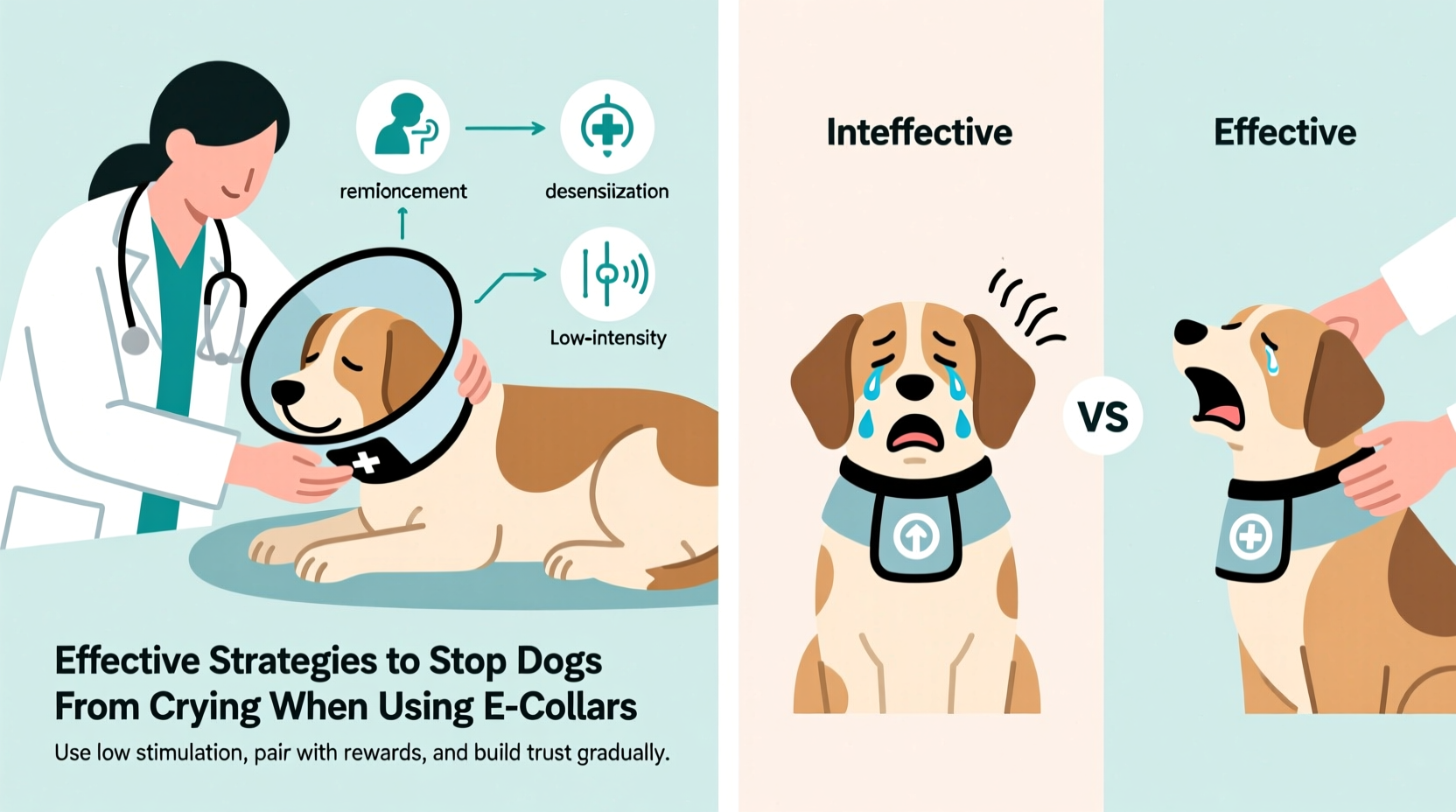
Dogs cry when they experience something unfamiliar, uncomfortable, or frightening. With e collars, the cause is rarely the sensation itself—especially at low stimulation levels—but rather the context in which it's delivered. A sudden beep, vibration, or mild static pulse without prior conditioning can startle a dog. If the dog associates the collar with punishment or confusion, crying becomes a natural response to stress.
Common triggers include:
- Incorrect collar fit (too tight or rubbing)
- Improper introduction (jumping straight to stimulation)
- Lack of positive association with the device
- Overuse or inconsistent commands
- Using the collar as a first-line solution instead of foundational training
Addressing these root causes is essential before any training begins.
Tip: Never turn on stimulation during the first few days of collar use. Let your dog wear the collar unpowered while building positive associations.Step-by-Step Introduction to E Collars
Gradual acclimation reduces fear and builds confidence. Follow this timeline over 5–7 days to safely introduce your dog to the e collar:
- Day 1–2: Wear the collar (no power) – Let your dog wear the collar during walks and playtime. Pair each wearing session with treats, praise, or a favorite activity.
- Day 3: Introduce sound cues – Activate only the tone function. Every time the tone sounds, give a treat—even if no command was given. This creates a positive link: “beep = good thing coming.”
- Day 4: Add vibration (if available) – Use the lowest vibration setting briefly, followed immediately by a high-value reward. Repeat 3–5 times per session, two sessions daily.
- Day 5: Test static stimulation at lowest level – In a distraction-free environment, deliver a brief pulse and instantly mark with a clicker or “yes!” then reward. Observe your dog’s reaction. If they flinch or cry, the level is too high—or they aren’t ready.
- Days 6–7: Begin simple command integration – Ask for a known cue like “sit.” If the dog hesitates, use tone or vibration as a prompt, then reward compliance.
This phased approach ensures your dog sees the collar as a communication tool—not a threat.
Proper Fit and Equipment Checks
An ill-fitting collar is one of the most common reasons for discomfort and crying. Even slight irritation from constant contact can make dogs paw at the device or vocalize distress.
| Fit Factor | Correct Approach | What to Avoid |
|---|---|---|
| Placement | Centered under the chin, just below the ears | Too high (behind ears) or too low (on throat) |
| Tightness | Snug enough to prevent sliding, but allows two fingers beneath | Pinching skin or restricting movement |
| Contact Points | Clean and adjusted to touch skin (trim fur if needed) | Loose probes or blocked by thick fur |
| Duration | Remove after training; max 8–12 hours daily | Leaving on 24/7, especially overnight |
Check the contact points daily for redness or irritation. Clean them weekly with a damp cloth and mild soap.
Reinforce with Positive Training Methods
The most effective e collar use happens within a broader framework of positive reinforcement. Corrections should never replace rewards—they should support clarity when verbal cues fail at a distance.
For example, when teaching recall:
- Call your dog’s name in a cheerful voice.
- If they don’t respond within three seconds, activate the tone.
- If still no response, use the lowest effective stimulation level as a reminder.
- The moment they turn toward you, stop stimulation and reward heavily upon arrival.
Over time, the tone alone becomes sufficient, reducing reliance on physical feedback.
“Dogs trained with balanced methods—combining clear communication and positive reinforcement—show lower cortisol levels and higher obedience retention.” — Dr. Karen Becker, DVM, Canine Behavior SpecialistTip: Always end a training session on a success. If your dog struggles, simplify the task and rebuild confidence before progressing.
Mini Case Study: Reducing Crying in a Reactive Border Collie
Milo, a 3-year-old Border Collie, began crying and scratching his neck whenever his owner turned on the e collar during off-leash hikes. The owner assumed Milo was ignoring commands, so she increased the stimulation level—worsening the reaction.
A certified trainer assessed the situation and found three issues: the collar was too tight, Milo had no prior positive exposure to the device, and he was being corrected for behaviors he hadn’t been taught (like stopping mid-chase).
The solution:
- Fitted a properly sized collar and trimmed fur around the contacts.
- Started Milo on a 7-day reintroduction plan with treats and play paired with tone/vibration.
- Used the e collar only after Milo learned a strong “leave-it” and “come” command via positive training.
Within two weeks, Milo stopped crying and responded reliably to tone cues. His owner now uses stimulation less than once per walk, primarily as a backup.
Checklist: Ensuring Humane and Effective E Collar Use
Before every session, review this checklist:
- ✅ Collar fits snugly but allows two fingers underneath
- ✅ Contact points are clean and making skin contact
- ✅ Dog has worn the collar unpowered for multiple sessions
- ✅ Dog responds positively to tone and vibration cues with rewards
- ✅ You’ve trained the behavior using positive methods first
- ✅ Stimulation level is the minimum needed to get attention
- ✅ Session ends with a successful reward-based command
- ✅ Collar is removed after training to prevent skin irritation
Frequently Asked Questions
Is it normal for my dog to cry the first time using an e collar?
No, crying is not normal and indicates fear, discomfort, or improper introduction. If your dog cries, stop immediately. Reassess fit, reduce stimulation level, and return to earlier training steps using positive reinforcement.
Can I use an e collar on a puppy?
It’s generally advised to wait until a dog is at least 6 months old. Puppies are still learning basic behavior and lack the emotional maturity to process remote stimuli. Focus on positive socialization and obedience training first.
How do I know if the stimulation level is too high?
If your dog yelps, jumps, runs away, or shows signs of fear (tucked tail, flattened ears), the level is too high. The ideal level is subtle—a slight head turn or pause—followed by compliance. Always start at zero and increase gradually.
Conclusion: Building Trust Over Time
Stopping a dog from crying when using an e collar isn’t about suppressing the symptom—it’s about addressing the cause. With patience, proper equipment, and training that prioritizes trust, your dog can learn to respond calmly and confidently. The goal isn’t compliance through discomfort, but communication through consistency. When dogs understand what’s expected and feel safe doing it, the need for correction diminishes naturally.
💬 Have experience using e collars humanely? Share your tips or questions in the comments to help fellow dog owners train with compassion and clarity.








