
Leash aggression in dogs is a common but manageable issue that affects both pets and their owners. Whether it's lunging at other dogs, barking at strangers, or reacting to traffic, these behaviors can make daily walks stressful and even dangerous. The good news is that with consistent training, proper tools, and a deep understanding of canine behavior, most dogs can learn to walk calmly on a leash. This guide provides practical, science-backed strategies to help you regain control and enjoy peaceful walks again.
Understanding the Root Causes of Leash Aggression
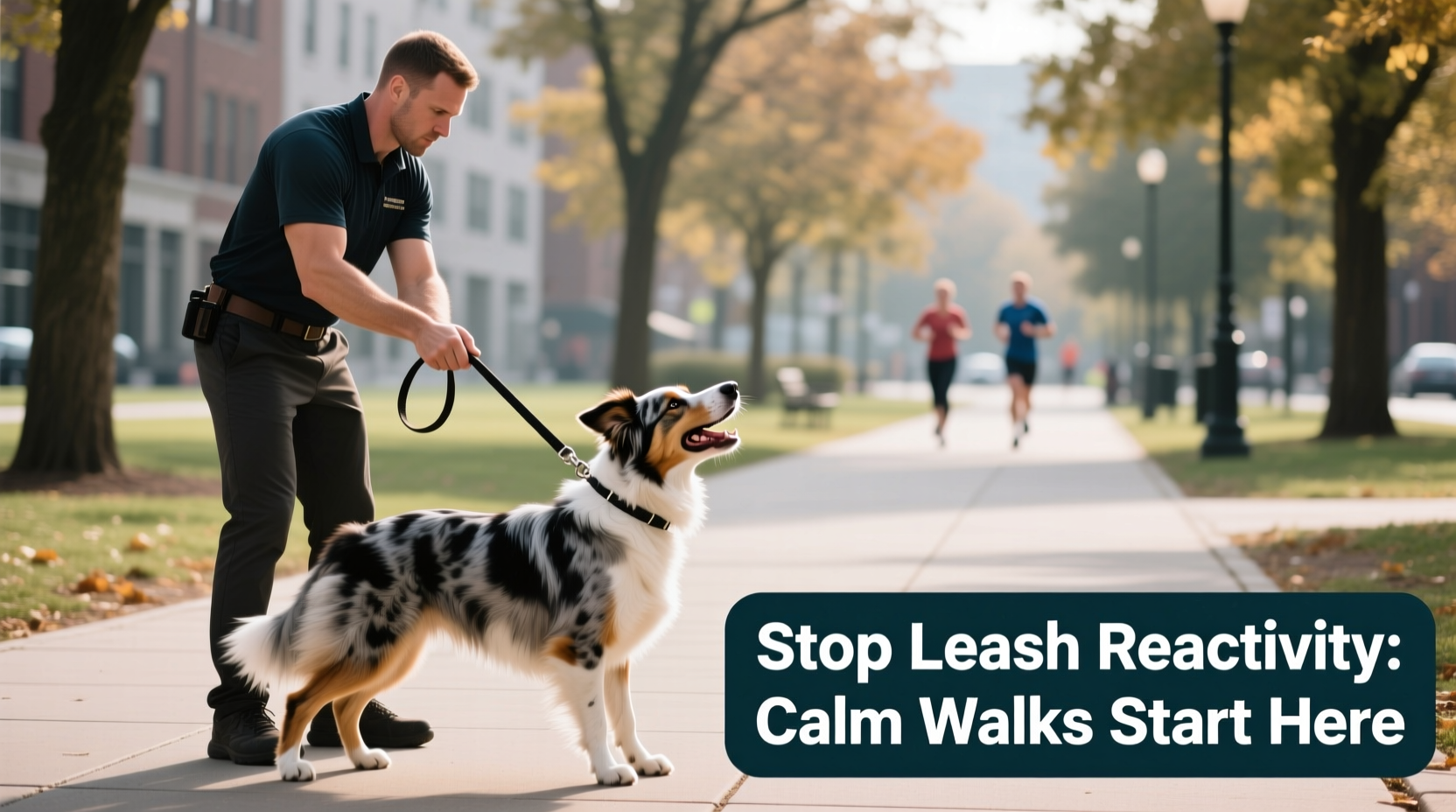
Dog aggression on leash rarely stems from pure malice. More often, it’s a response to fear, frustration, or overstimulation. When a dog feels restrained by a leash, their natural fight-or-flight instinct may shift toward \"fight\" if they perceive a threat they cannot escape from. Common triggers include:
- Other dogs approaching too closely
- Unfamiliar people or children
- Loud noises (e.g., traffic, construction)
- Past negative experiences
- Lack of early socialization
It’s crucial to recognize that leash reactivity is not always true aggression—it may be defensive behavior driven by anxiety. Mislabeling it as dominance or stubbornness can lead to ineffective or even harmful training methods.
“Leash reactivity is often a symptom of underlying stress. Addressing the emotional state of the dog is more effective than simply suppressing the behavior.” — Dr. Sophia Yin, Veterinarian and Animal Behaviorist
Step-by-Step Training Plan to Reduce Leash Reactivity
Rehabilitating leash aggression takes time, patience, and consistency. Below is a structured timeline to guide your progress over several weeks:
- Week 1–2: Assess Triggers and Establish Baseline Distance
Observe your dog’s reactions during walks. Note what causes reactivity and at what distance it begins. This “threshold distance” is critical—stay outside it during training. - Week 3–4: Begin Counter-Conditioning
Use high-value treats (like chicken or cheese) when your dog sees a trigger but remains calm. The goal is to create a positive association: “When I see another dog, good things happen.” - Week 5–6: Introduce Desensitization Walks
Walk in low-distraction areas. Gradually decrease distance to triggers as your dog stays relaxed. Reward calm behavior immediately. - Week 7–8: Practice Focus Commands
Teach “look” or “watch me” so your dog checks in with you instead of fixating on threats. Use this cue proactively when a trigger appears. - Ongoing: Maintain and Generalize Skills
Practice in increasingly busy environments. Continue rewarding calm behavior and avoid pushing your dog past their threshold.
Essential Tools and Equipment for Calm Walks
The right gear can significantly reduce tension and improve control. Not all collars and leashes are created equal—some may worsen discomfort or encourage pulling.
| Equipment | Recommended For | Benefits | Avoid If… |
|---|---|---|---|
| Front-clip harness | Pulling, lunging | Reduces pulling by redirecting dog’s movement | Dog has neck/spine issues |
| Head halter (e.g., Gentle Leader) | Strong pullers, reactive dogs | Offers gentle head control without choking | Dog is fearful of face handling |
| Standard back-clip harness | Calm, trained dogs | Comfortable for everyday use | Dog pulls excessively |
| 6-foot nylon leash | Most walking situations | Provides control and consistency | Need long line for training |
Avoid retractable leashes during training—they give dogs too much freedom and reinforce pulling. Instead, use a fixed-length leash to maintain clear communication.
Real-Life Example: Transforming Max, the Reactive Terrier
Max, a 3-year-old Jack Russell Terrier, would lunge and bark at every dog he saw on walks. His owner, Lisa, dreaded leaving the house. After consulting a certified trainer, she began a structured counter-conditioning program.
Starting at a park entrance, she stayed 50 feet away from other dogs—the distance where Max noticed them but didn’t react. Every time Max glanced at a dog and then looked back at her, she rewarded him with small pieces of boiled chicken. Over four weeks, she gradually decreased the distance while maintaining his calm focus.
She also switched to a front-clip harness, which made it easier to guide Max away from triggers. Today, Max still prefers space from other dogs, but he walks calmly beside Lisa, often ignoring distant dogs altogether. The transformation took patience, but the results were life-changing for both of them.
Do’s and Don’ts When Handling a Reactive Dog
Small mistakes can undermine your progress. Follow this checklist to stay on track:
| Do | Don’t |
|---|---|
| Keep walks predictable and low-stress | Rush into high-traffic areas too soon |
| Use high-value rewards consistently | Yell or jerk the leash when dog reacts |
| End walks on a positive note | Force confrontations to “prove” progress |
| Practice daily, even for short sessions | Allow uncontrolled greetings with other dogs |
Frequently Asked Questions
Can leash aggression be completely cured?
While many dogs improve significantly, complete elimination of reactivity depends on the individual dog, history, and consistency of training. The goal is management and improvement, not perfection. With time, most dogs can walk calmly in everyday environments.
Should I let my reactive dog greet other dogs on walks?
Generally, no. Unpredictable off-leash greetings can reinforce reactivity or lead to fights. Controlled, on-leash greetings may be introduced later under professional guidance, but only if both dogs are calm and the environment is safe.
Is punishment an effective way to stop leash aggression?
No. Yelling, leash corrections, or shock collars may suppress behavior temporarily but often increase fear and damage trust. Positive reinforcement and desensitization are more effective and humane long-term solutions.
Checklist: Building a Calmer Walking Routine
- ✅ Identify your dog’s triggers and threshold distance
- ✅ Invest in a front-clip harness or head halter
- ✅ Carry high-value treats on every walk
- ✅ Practice “look” or “watch me” commands daily
- ✅ Start training in low-distraction areas
- ✅ Reward calm behavior immediately and consistently
- ✅ Avoid forcing exposure to triggers
- ✅ Consult a certified dog behaviorist if progress stalls
Conclusion: Turning Tension into Tranquility
Leash aggression doesn’t have to define your dog’s walks—or your relationship. With empathy, the right techniques, and steady effort, you can transform chaotic outings into moments of connection and calm. Progress may be gradual, but each small success builds confidence for both you and your dog. Start today: pick one strategy from this guide, implement it consistently, and watch the change unfold. Your next peaceful walk is closer than you think.
💬 Have a success story or challenge with leash aggression? Share your experience in the comments—your insights could help another dog owner find hope and solutions.








