
Many dog owners worry when their pet remains underweight despite regular feeding. A thin frame can signal underlying health issues or simply reflect a high metabolism, poor diet, or inadequate caloric intake. Helping your dog gain weight isn’t about overfeeding junk food—it’s about providing balanced nutrition, proper portioning, and consistent monitoring. The goal is not just added pounds, but increased muscle mass, energy, and overall vitality. This guide outlines science-backed, veterinarian-endorsed methods to support safe and sustainable weight gain in dogs.
Identify the Root Cause of Low Weight
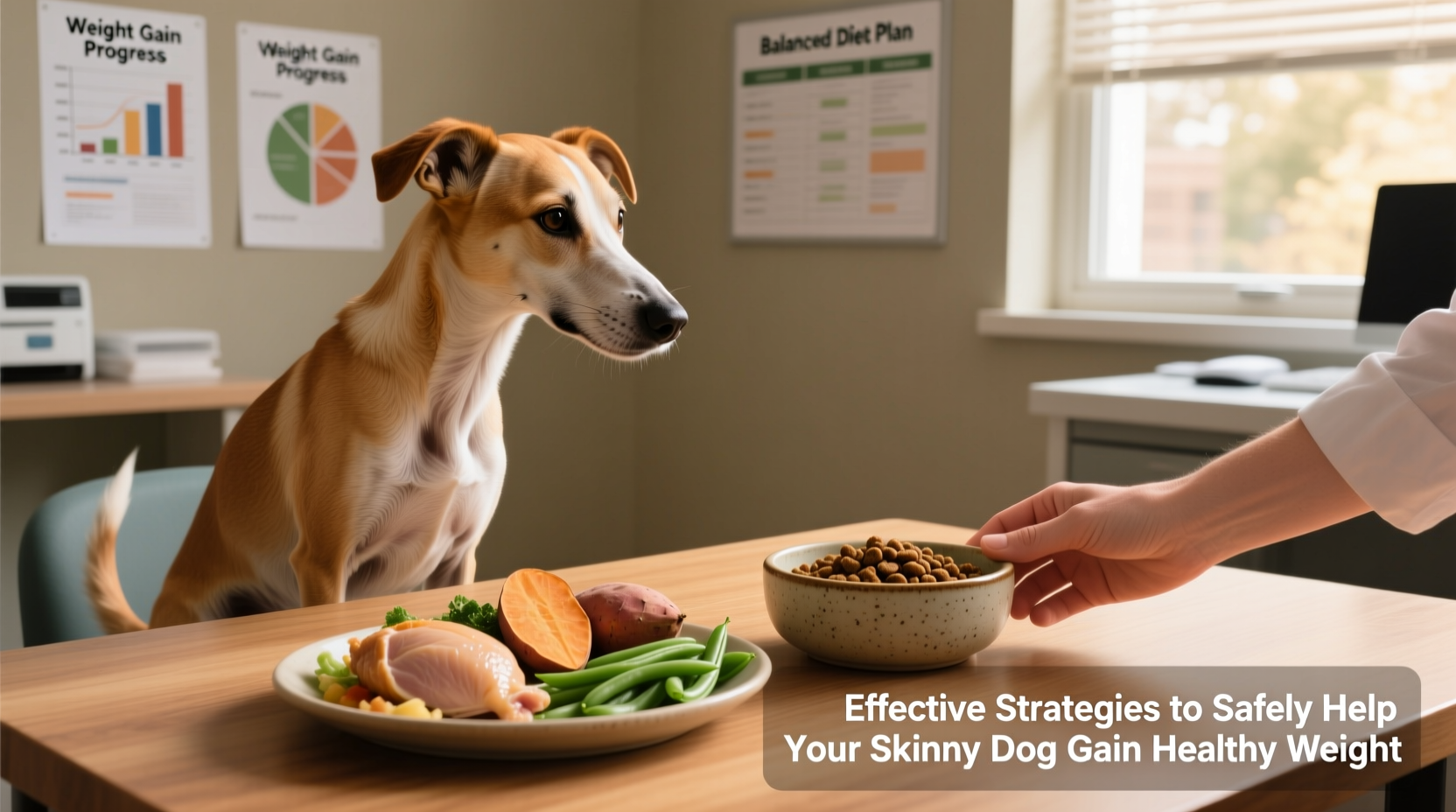
Before initiating any weight-gain plan, it's essential to determine why your dog is underweight. Chronic low body condition can stem from medical conditions such as intestinal parasites, malabsorption disorders, dental pain, hyperthyroidism (rare in dogs but possible), or even anxiety-related appetite suppression.
A veterinary examination should be the first step. Blood work, fecal tests, and physical assessment can rule out illness. If your dog receives a clean bill of health, the focus can shift to nutritional and lifestyle adjustments.
“Not every thin dog is unhealthy, but persistent weight loss or failure to thrive warrants investigation.” — Dr. Laura Simmons, DVM, Small Animal Nutrition SpecialistTip: Use the Body Condition Score (BCS) chart—your vet can demonstrate—to assess if your dog is underweight, ideal, or overweight.
Nutrition: The Foundation of Healthy Weight Gain
The most impactful factor in helping a dog gain weight is dietary quality. Simply increasing volume without improving nutrient density often leads to empty calories and little real progress.
Opt for calorie-dense, high-protein, and high-fat foods specifically formulated for active or underweight dogs. Look for dog foods where meat is the first ingredient and fat content is between 15–20% on a dry matter basis. Wet food or raw diets can also boost caloric intake due to higher moisture and fat levels.
| Nutrient | Recommended Level for Weight Gain | Food Sources |
|---|---|---|
| Protein | 30–40% (dry matter) | Chicken, beef, fish, eggs |
| Fat | 15–20% | Fish oil, chicken fat, coconut oil |
| Calories per cup | 400+ kcal (for dry kibble) | Performance or recovery formulas |
| Fiber | Moderate (3–5%) | Pumpkin, sweet potato (in moderation) |
Transition to a new food gradually over 7–10 days to avoid digestive upset. Start by mixing 25% new food with 75% old, increasing the proportion daily.
Feeding Strategies That Work
How you feed matters as much as what you feed. Dogs with low appetites may benefit from structured meal timing and palatability enhancements.
- Feed more frequently: Instead of one or two meals, offer three to four smaller meals daily to increase total intake without overwhelming the stomach.
- Add calorie boosters: Mix in healthy fats like one teaspoon of fish oil or olive oil per 10 lbs of body weight. Cooked egg, plain Greek yogurt, or lean ground meat can also add protein and appeal.
- Use food puzzles and slow feeders: For picky eaters, turning meals into games can stimulate interest and encourage longer eating sessions.
- Warm the food slightly: Heating wet food or adding warm water to kibble enhances aroma, which can trigger appetite.
Mini Case Study: Max, the Underweight Rescue Beagle
Max, a 2-year-old beagle rescued from a neglectful environment, weighed only 18 lbs—well below the breed average. Despite eating regular adult kibble, he showed no weight gain after two weeks in foster care.
His foster vet ran diagnostics, ruling out parasites and organ dysfunction. The plan shifted to nutrition: Max was transitioned to a high-calorie puppy formula with 32% protein and 18% fat. He received three meals a day, each topped with a tablespoon of plain Greek yogurt and a boiled egg three times a week. Fish oil was added for essential fatty acids.
Within six weeks, Max gained 4.5 lbs and began developing visible muscle tone. His coat improved, and his energy levels normalized. The key was consistency, high-quality food, and frequent small meals tailored to his digestive tolerance.
Exercise: Building Muscle, Not Just Fat
Weight gain should not mean sedentary living. Controlled physical activity supports muscle development and stimulates appetite. Lean dogs often need both caloric surplus and resistance-building exercises.
Short, frequent walks, gentle fetch sessions, and balance exercises (like walking over low hurdles or using wobble boards) engage core muscles. Avoid long endurance workouts that burn excessive calories without building mass.
- Focus on strength-building activities 3–4 times per week.
- Incorporate short uphill walks to engage hind limbs.
- Consider canine hydrotherapy if joint issues limit mobility.
Remember: exercise increases hunger. Time meals shortly after activity to capitalize on post-workout appetite spikes.
Monitoring Progress and Adjusting the Plan
Track your dog’s weight weekly using the same scale and time of day. Aim for gradual gain—0.5% to 2% of body weight per week is safe and sustainable. Rapid weight gain can stress organs and lead to imbalanced composition (e.g., excess fat over muscle).
“Healthy weight gain in dogs is a marathon, not a sprint. Consistency beats intensity.” — Dr. Elena Torres, Canine Rehabilitation Therapist
Take monthly photos from the side and above to visually track changes in body shape. Reassess the diet if no progress occurs after 4–6 weeks of consistent effort. Consider consulting a veterinary nutritionist for customized plans, especially for dogs with sensitivities or chronic conditions.
Checklist: Steps to Safely Help Your Dog Gain Weight
- ✅ Schedule a vet check-up to rule out medical causes
- ✅ Choose a high-calorie, high-protein dog food (look for AAFCO “growth” or “all life stages” label)
- ✅ Feed 3–4 small meals per day
- ✅ Add healthy calorie boosters (fish oil, eggs, lean meat)
- ✅ Monitor weight weekly and adjust portions as needed
- ✅ Incorporate light strength-building exercises
- ✅ Re-evaluate progress at 4 and 8 weeks
Common Mistakes to Avoid
Well-meaning owners sometimes sabotage progress with counterproductive habits:
- Over-relying on treats: While snacks can supplement, they shouldn’t exceed 10% of daily calories.
- Switching foods too frequently: Give each diet 4–6 weeks to assess effectiveness.
- Ignoring dental health: Painful teeth make eating difficult. Check for signs of discomfort like dropping food or chewing on one side.
- Free-feeding indiscriminately: Unmeasured access to food can lead to poor digestion or selective eating.
FAQ
Can I feed my dog human food to help them gain weight?
Some human foods are safe and beneficial—like boiled chicken, eggs, or pumpkin—but avoid salty, spicy, or toxic items (onions, garlic, chocolate). Stick to plain, cooked proteins and always consult your vet before making major dietary changes.
How long does it take for a skinny dog to gain weight?
Most dogs show measurable progress within 4–6 weeks. Full recovery to ideal weight may take 2–6 months depending on starting condition, age, and health status.
Should I use a weight-gain supplement?
Some supplements (like high-calorie pastes or powdered boosters) can help, but they’re not substitutes for a balanced diet. Use them only under veterinary guidance to avoid nutrient imbalances.
Conclusion
Helping your skinny dog gain weight safely requires patience, precision, and partnership with your veterinarian. It’s not about stuffing calories into your dog, but about delivering nutrient-rich fuel in a way that supports lasting health. With the right food, feeding schedule, and light exercise, most underweight dogs can achieve a strong, vibrant physique.
🚀 Start today: Weigh your dog, review their current food label, and schedule a vet visit if you haven’t already. Small changes now can lead to transformative results in just a few months.








