A well-maintained aquarium brings tranquility, beauty, and a sense of calm to any room. However, the constant hum or vibration from an air pump can disrupt that serenity—both for you and potentially for sensitive aquatic life. While air pumps are essential for oxygenation and water circulation, they don’t have to be noisy. With thoughtful placement, maintenance, and modifications, it’s entirely possible to significantly reduce or even eliminate unwanted noise. This guide outlines practical, tested strategies to quiet your aquarium air pump and restore peace to your space.
Why Noise Matters in Aquarium Maintenance
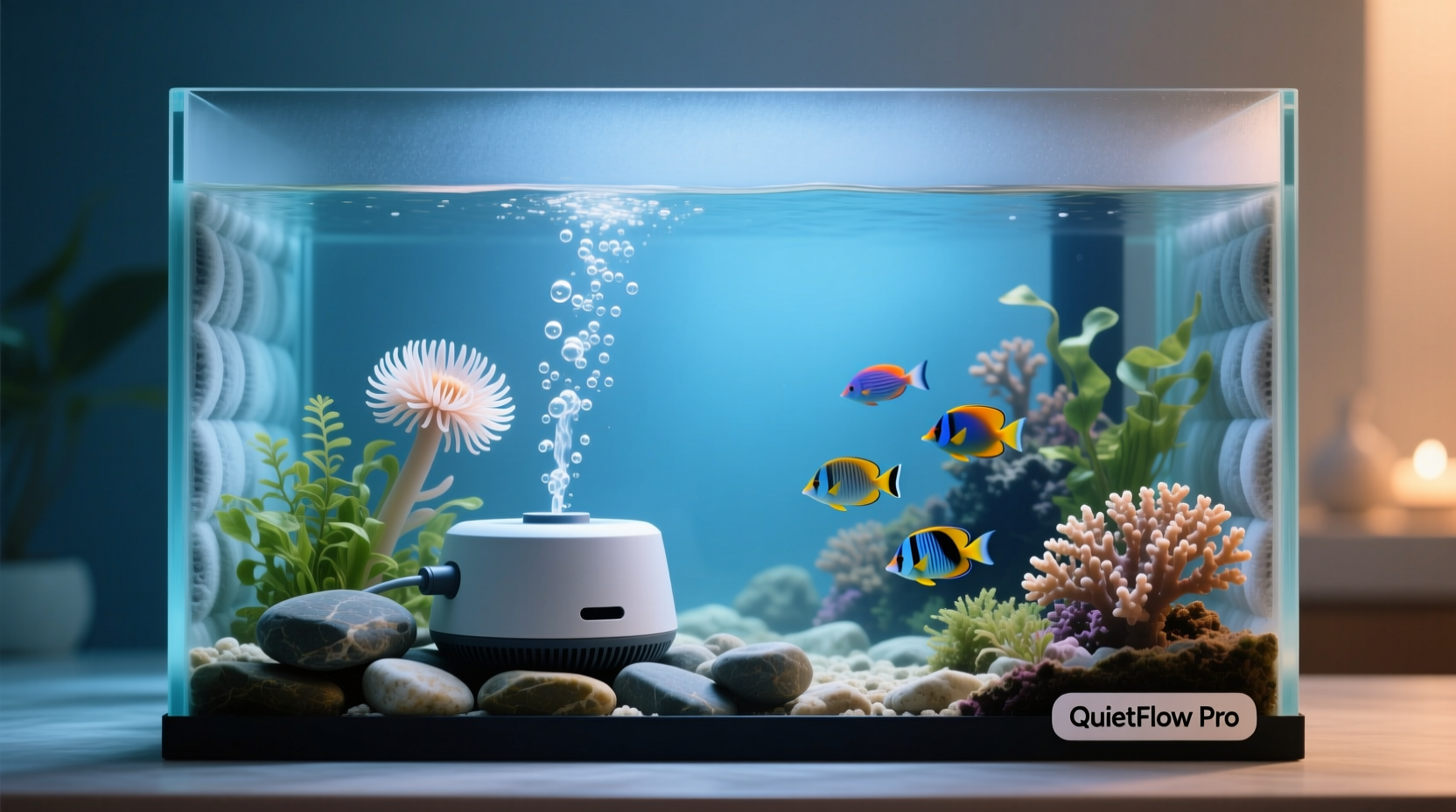
It's easy to overlook the impact of a humming air pump, especially if it's tucked behind furniture or in a less-used room. But persistent low-frequency noise can contribute to stress over time—for humans and fish alike. Studies suggest that prolonged exposure to mechanical noise may affect fish behavior, feeding patterns, and even immune response. For homeowners, the sound can become particularly bothersome in bedrooms, offices, or living areas where silence enhances comfort.
The primary sources of air pump noise include:
- Vibrations transmitted through surfaces
- Internal motor operation
- Backpressure from clogged tubing or deep tank setups
- Poor-quality diaphragms or aging components
Addressing these issues doesn’t require expensive upgrades. Often, simple adjustments yield dramatic results.
Step-by-Step Guide to Reducing Air Pump Noise
Follow this logical sequence to systematically minimize noise at every point of transmission:
- Elevate the pump on a soft, vibration-dampening surface. Place it on a rubber mat, folded towel, or foam pad to absorb mechanical vibrations.
- Ensure the pump is positioned above the water line. If the outlet sits below the aquarium’s water level, back-siphoning creates pressure and gurgling sounds when the pump cycles off.
- Inspect and replace worn tubing. Cracked or stiff air lines restrict airflow, forcing the pump to work harder and generate more noise.
- Clean or replace the air stone regularly. A clogged air stone increases backpressure, straining the motor and amplifying sound.
- Install a check valve near the pump outlet. This prevents water from flowing back into the tubing and reduces gurgling noises during shutdown.
- Use silicone-based hose connectors or T-fittings with silencers. These dampen pulsations in the airflow that contribute to rhythmic ticking or knocking.
Choosing the Right Equipment for Quiet Operation
Not all air pumps are created equal. Some models are engineered specifically for silent performance. When selecting or upgrading your air pump, consider the following features:
| Feature | Benefit | Recommended Option |
|---|---|---|
| Diaphragm Design | Double-headed or springless diaphragms reduce vibration | Aquarium Co-Op Single Diaphragm Pump |
| Noise Rating (dB) | Look for pumps under 40 dB for bedroom-safe use | Tetra APS 100 (37 dB) |
| Adjustable Flow Control | Allows fine-tuning to avoid excessive bubbling | Uniclife Adjustable Dual Outlet Pump |
| Weight & Stability | Heavier base resists movement and vibration | PiSure High-Performance Air Pump |
Additionally, dual-outlet pumps allow you to run multiple tanks or devices without doubling the number of units, reducing overall noise footprint.
Real Example: From Annoying Hum to Silent Support
Sarah, a hobbyist in Portland, kept a 20-gallon planted tank in her home office. She loved watching her tetras dart among the plants but dreaded turning on the air pump each morning—the sharp ticking and floor vibrations made concentration difficult. After researching solutions, she repositioned the pump onto a mousepad-covered shelf, replaced old rigid tubing with flexible silicone, and installed a porous ceramic air stone. She also added a check valve to stop post-shutdown gurgling. The result? A 90% reduction in audible noise. “I no longer notice the pump,” she said. “It’s like it disappeared.”
“Even minor vibrations can travel through cabinetry and amplify in small rooms. Isolation is key.” — Dr. Mark Lin, Aquatic Systems Engineer
Advanced Sound-Dampening Techniques
For audiophiles, light sleepers, or those housing tanks in quiet spaces, additional measures can push noise levels down to near-silent operation:
- Enclose the pump in a sound-absorbing box. Line a ventilated wooden or plastic enclosure with acoustic foam or mass-loaded vinyl. Ensure airflow isn’t restricted to prevent overheating.
- Use inline mufflers or resonator chambers. These attach to the outlet hose and break up sound waves generated by air pulses.
- Route tubing through water before entering the tank (air lift trick). Submerging the open end of the tube in a separate container briefly stabilizes pressure and reduces popping sounds.
- Switch to battery backup systems during nighttime hours. Models like the VeilSide Mini Battery Backup operate silently and maintain oxygenation while the main pump rests.
Note: Never fully seal an air pump—heat buildup can damage internal components and pose a fire risk.
Checklist: Quick Actions to Silence Your Air Pump
Use this checklist to audit and improve your current setup:
- ✅ Place the pump on a soft, non-resonant surface
- ✅ Confirm the pump sits above the water level
- ✅ Replace cracked or hardened air tubing
- ✅ Clean or swap out clogged air stones monthly
- ✅ Install a check valve close to the pump
- ✅ Choose a low-decibel model for sensitive areas
- ✅ Add an inline silencer or muffler if pulsing noise persists
- ✅ Consider relocating the pump to a closet or cabinet with ventilation
Frequently Asked Questions
Can I submerge my air pump to make it quieter?
No. Most air pumps are not designed for submersion and will fail or become hazardous if placed underwater. Only use submersible pumps specifically labeled as such—and even then, only if intended for that purpose. Standard diaphragm pumps must remain dry and elevated.
Why does my air pump make a clicking sound?
Clicking is typically caused by a worn diaphragm or loose internal parts. It may also stem from backpressure due to a clogged air stone or improperly sized tubing. Replacing the diaphragm kit (available for many models) often resolves the issue.
Is it safe to cover my air pump with a cloth to reduce noise?
Light fabric covering is acceptable only if it doesn’t trap heat. Avoid thick materials or full enclosures. Always ensure vents are unobstructed and touch the pump periodically to check for warmth. Overheating shortens lifespan and poses risks.
Final Thoughts: Peace Begins with Prevention
A quiet aquarium reflects thoughtful design and attentive care. By addressing noise at its source—not just masking it—you enhance the experience for everyone nearby. Whether you're nurturing delicate bettas, breeding shrimp, or simply enjoying a visual retreat, a silent air system supports both biological health and mental relaxation. Start with one or two adjustments from this guide. Monitor the difference. Refine further. Soon, the only thing you’ll hear is the gentle ripple of water—and the calm within yourself.
🚀 Take action tonight: Spend 15 minutes inspecting your air pump setup. Implement one noise-reducing tip and notice the change. Share your success in the comments—your solution might help another aquarist find peace too.








