
Many pet owners are familiar with the sight: their dog or cat inhaling food in seconds, barely pausing between bites. While this behavior may seem harmless, rapid eating can lead to serious health issues such as indigestion, vomiting, bloating, and even life-threatening gastric dilatation-volvulus (GDV) in dogs. Slowing down mealtime isn’t just about manners—it’s a crucial step toward improving digestive health and overall well-being. With the right techniques and tools, you can help your pet eat at a safer pace and absorb nutrients more effectively.
Why Eating Too Quickly Is a Problem
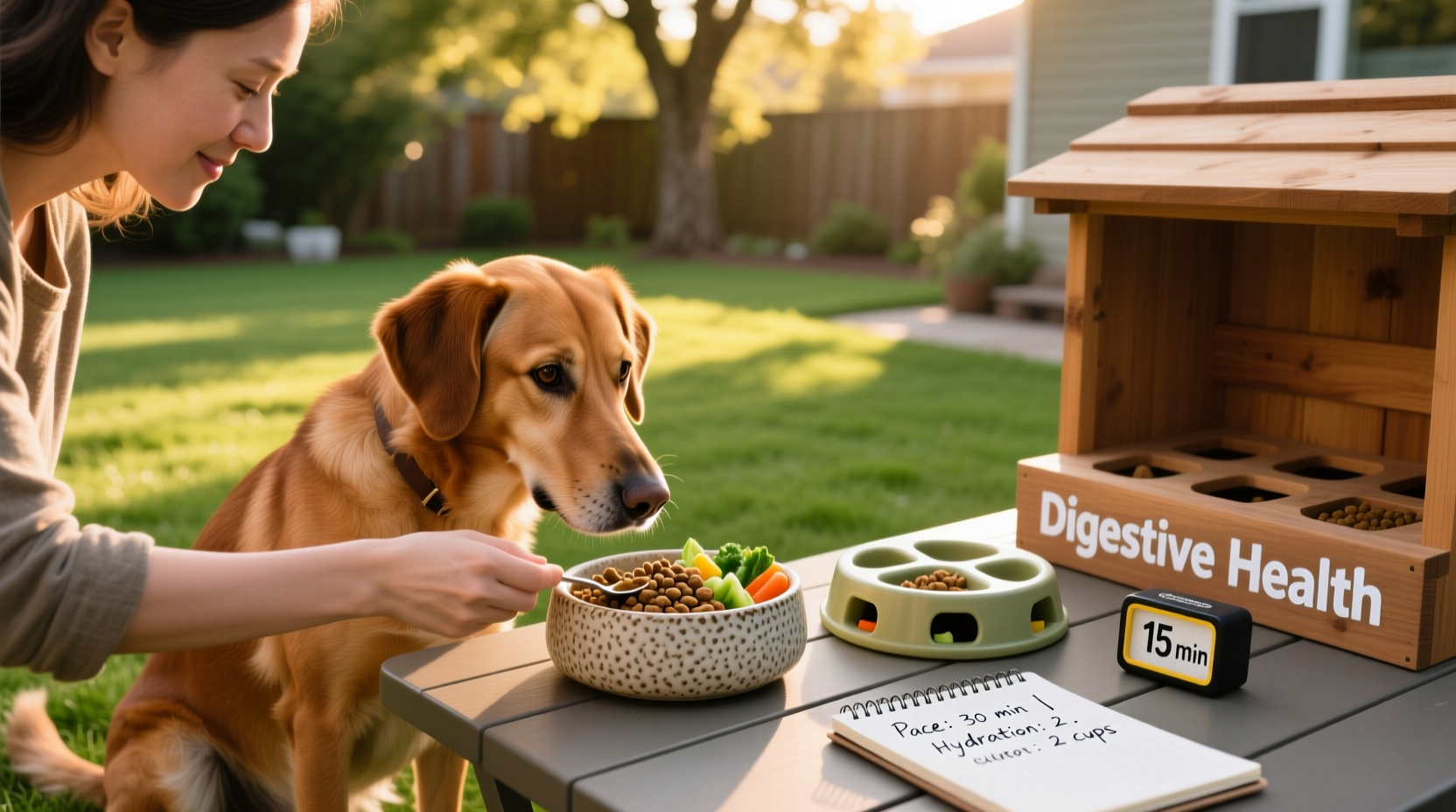
When pets consume food too fast, they often swallow excess air along with large chunks of kibble or wet food. This leads to aerophagia—air swallowing—which contributes to gas buildup, discomfort, and regurgitation. In dogs, especially deep-chested breeds like Great Danes or Boxers, rapid eating increases the risk of bloat, a medical emergency where the stomach fills with gas and twists on itself.
Additionally, fast eaters don’t chew properly, reducing the mechanical breakdown of food before it reaches the stomach. This places extra strain on the digestive system and limits nutrient absorption. Over time, poor digestion can manifest as loose stools, excessive flatulence, or inconsistent energy levels.
“Slower eating supports better digestion by allowing natural enzymes to work efficiently and reducing gastrointestinal stress.” — Dr. Laura Simmons, DVM, Small Animal Nutrition Specialist
Interactive Feeding Tools That Work
One of the most effective ways to slow down your pet’s eating is by changing how food is delivered. Traditional flat bowls encourage gulping. Instead, use feeding tools designed to engage your pet mentally and physically during meals.
| Tool Type | How It Helps | Best For |
|---|---|---|
| Puzzle Feeders | Require pets to manipulate pieces to access food, slowing consumption | Dogs & cats with high energy or boredom |
| Slow-Feed Bowls | Baffles and ridges force pets to navigate around obstacles | Fast-eating dogs |
| Snuffle Mats | Hide food in fabric folds; encourage sniffing and foraging | Cats and scent-driven dogs |
| Food Dispensing Toys | Roll or tilt to release small amounts of kibble gradually | Active dogs needing mental stimulation |
Step-by-Step Guide to Transitioning to Slow Feeding
Changing your pet’s eating habits requires patience and consistency. Follow this timeline to make the shift smoothly:
- Week 1: Observe and Measure – Track how long your pet currently takes to finish a meal. Note any signs of bloating or regurgitation afterward.
- Week 2: Introduce One Tool – Choose one slow feeder or puzzle toy. Fill half the meal in the device and serve the other half normally to reduce frustration.
- Week 3: Increase Engagement – Use only the slow-feeding tool but break the total portion into smaller servings placed several minutes apart.
- Week 4: Full Integration – Serve entire meals using the slow-feeding method. Monitor changes in digestion and post-meal behavior.
- Ongoing: Rotate Tools – Prevent habituation by rotating different types of feeders weekly to maintain interest.
Behavioral and Environmental Adjustments
Feeding speed isn’t always just about hunger—it can stem from anxiety, competition, or learned behavior. Pets that grew up in multi-animal households may eat quickly out of fear that food will be taken. Addressing these root causes is essential for lasting change.
- Feed pets in separate rooms or behind dividers if multiple animals live together.
- Maintain consistent feeding times to regulate appetite and reduce food-related stress.
- Avoid sudden dietary changes that might trigger overconsumption due to novelty.
- Use positive reinforcement when your pet eats slowly—offer verbal praise or a bonus treat after a calm meal.
Mini Case Study: Max, the Labrador Who Ate Too Fast
Max, a three-year-old male Labrador Retriever, was brought to a veterinary nutritionist after repeated episodes of post-meal vomiting and restlessness. His owner reported he finished his meals in under 45 seconds. An evaluation ruled out medical conditions, pointing instead to rapid ingestion as the culprit.
The vet recommended switching to a flower-shaped slow-feed bowl and dividing his daily ration into three smaller meals. Within two weeks, Max’s vomiting stopped. By week four, he was taking nearly ten minutes to eat, showing improved stool quality and less post-meal panting. His owner also began using a snuffle mat for breakfast, which added mental enrichment and further slowed consumption.
Common Mistakes to Avoid
Even with good intentions, some approaches can backfire. Be mindful of these pitfalls:
Tip: Never punish your pet for eating quickly. This creates negative associations with food and can worsen anxiety.- Using overly complex puzzles too soon – Frustration can cause pets to abandon the food or become aggressive.
- Washing slow feeders improperly – Many have crevices where bacteria grow; clean thoroughly with a bottle brush weekly.
- Leaving pets unattended with new toys – Some may chew off pieces and ingest them.
- Offering too many treats outside meals – Extra calories can disrupt satiety cues, leading to rushed main meals.
Frequently Asked Questions
Can eating too fast cause choking?
Yes. Pets that don’t chew properly are at higher risk of choking, especially when consuming larger kibble or treats. Slower eating allows more time for proper mastication and reduces the chance of airway obstruction.
Are certain breeds more prone to fast eating?
Yes. Breeds with strong food motivation—such as Beagles, Labradors, and Terriers—are more likely to gulp their food. However, any pet can develop rapid eating habits, particularly in competitive environments or rescue situations where food scarcity was once a concern.
Is elevated feeding necessary for slow eating?
Elevated bowls were once thought to reduce bloat risk, but recent studies suggest they may actually increase it in large-breed dogs. Unless prescribed for a specific condition like megaesophagus, keep food bowls on the floor and focus on slowing intake through behavioral and tool-based methods instead.
Checklist: How to Help Your Pet Eat More Slowly
- Assess current eating speed and note any digestive symptoms.
- Select an appropriate slow-feeding tool based on species and temperament.
- Introduce the tool gradually, mixing it with regular feeding at first.
- Feed in a quiet, distraction-free area to reduce mealtime anxiety.
- Divide daily portions into multiple smaller meals if needed.
- Monitor improvements in digestion, energy, and behavior.
- Rotate feeding devices monthly to maintain engagement.
- Consult your veterinarian if symptoms persist despite interventions.
Conclusion
Improving your pet’s digestion starts with rethinking mealtime. By addressing the speed at which your pet eats, you’re not just preventing discomfort—you’re enhancing nutrient uptake, reducing disease risk, and promoting a calmer relationship with food. The strategies outlined here, from interactive feeders to environmental adjustments, offer practical, science-backed solutions that fit into everyday life.
💬 Have you successfully slowed down your pet’s eating? Share your story or favorite product below—your experience could help another pet parent avoid a trip to the emergency vet.








