Dogs are naturally playful, and even their drinking habits can turn into a mini water show. While it might seem harmless at first, consistent splashing from a water bowl leads to wet floors, mold growth, slippery surfaces, and unnecessary cleaning. More importantly, excessive water play could signal underlying behavioral or hydration issues. Addressing this problem requires more than just frequent mopping—it demands understanding the root causes and implementing targeted, sustainable solutions. The good news is that with the right tools and techniques, you can significantly reduce or eliminate water splashing while ensuring your dog stays properly hydrated and engaged.
Understanding Why Dogs Splash Their Water
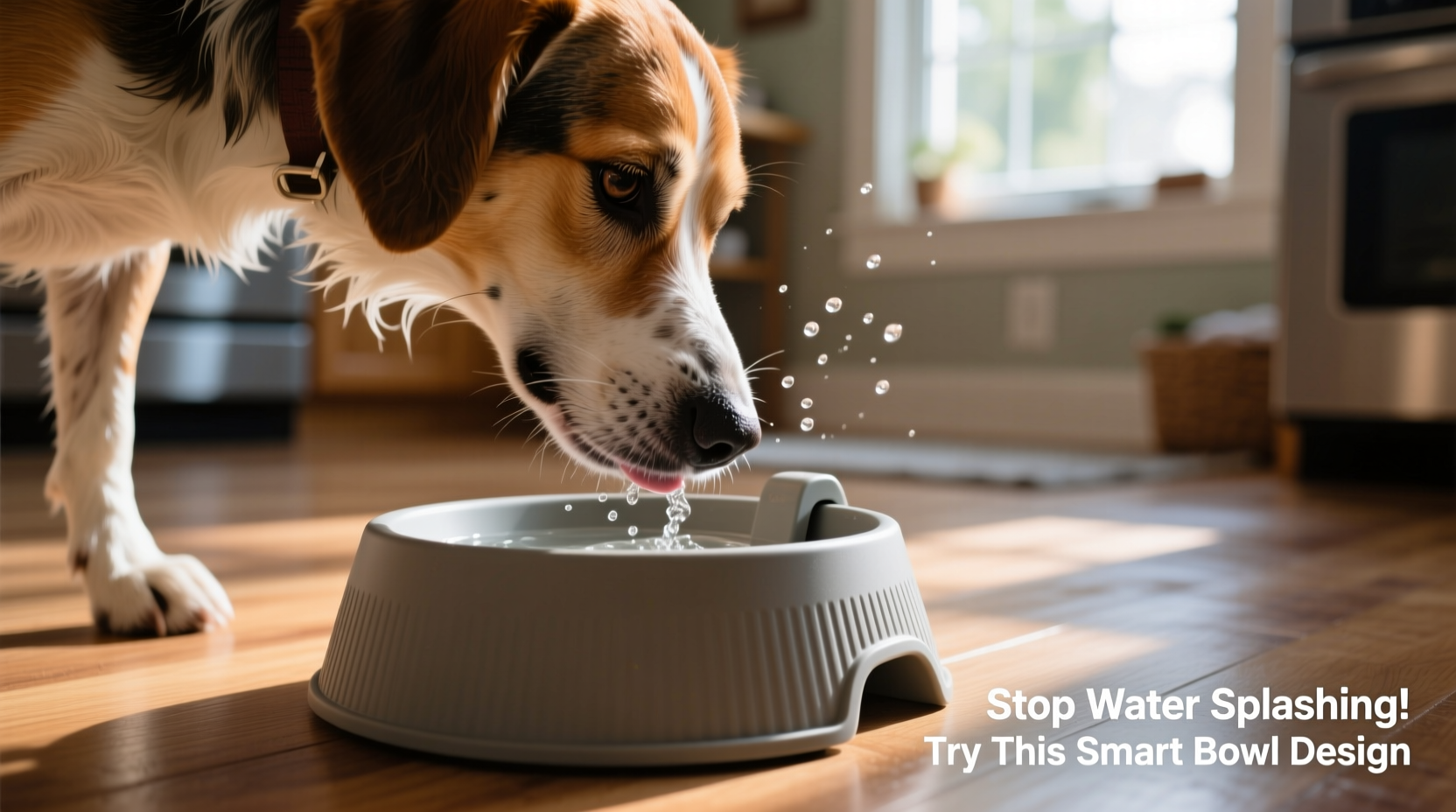
Dogs splash water for a variety of reasons, ranging from natural curiosity to instinctual behaviors. Puppies and high-energy breeds often treat their water bowls like toys, pawing at the surface or dunking their muzzles in and out. Some dogs use their paws to cool down on hot days, while others may be trying to catch moving reflections or bubbles. In multi-dog households, one pet might disrupt the water intentionally to assert dominance or initiate play.
Occasional splashing isn’t cause for concern, but chronic behavior may point to boredom, excess energy, or even anxiety. It’s also worth noting that some dogs dislike the sound or feel of metal or plastic bowls, leading them to interact aggressively with the water. Identifying the motivation behind the splashing is the first step toward choosing an effective solution.
Tip: Observe your dog during drinking times to determine if splashing is playful, habitual, or stress-related.Choosing the Right Water Bowl Design
The type of bowl you use plays a major role in how much water ends up on the floor. Standard shallow bowls allow easy paw access and encourage surface disruption. Upgrading to a design that limits movement and depth can dramatically reduce mess.
| Bowl Type | Effectiveness Against Splashing | Best For |
|---|---|---|
| Wide, shallow ceramic | Low | Dogs who drink calmly; not ideal for active drinkers |
| Narrow, deep stainless steel | Medium | Dogs prone to pawing; harder to tip over |
| Weighted or non-slip base | High | Active dogs who push or nudge bowls |
| Automatic pet fountain | Very High | Dogs who prefer moving water; reduces surface splashing |
| Tippy-style anti-spill bowl | High | Puppies and small breeds with messy habits |
Consider using a heavy, wide-based bowl that resists tipping. Materials like stainless steel or thick ceramic are preferable—they’re durable, less likely to slide, and don’t retain odors. Avoid lightweight plastic bowls, which dogs can easily shove around, increasing splash risk.
Strategic Placement and Environment Control
Where you place the water bowl influences both accessibility and spill potential. A bowl located in a narrow hallway or near furniture legs may encourage your dog to bump or paw at it while passing by. Conversely, placing it in a high-traffic kitchen area increases the chance of accidental kicks or vibrations from foot traffic.
Select a dedicated corner with ample space—ideally on a hard, water-resistant floor like tile or vinyl. Use a large, absorbent mat underneath the bowl to catch drips without encouraging puddle formation. Ensure the area is well-lit so your dog can see the water clearly, reducing nervous splashing due to visual confusion.
“Location matters as much as bowl design. A calm, isolated drinking zone helps dogs focus on hydration instead of play.” — Dr. Lena Reyes, DVM, Canine Behavior Specialist
Step-by-Step Guide to Minimizing Water Splash
- Assess current setup: Note the bowl type, placement, and frequency of splashing.
- Switch to a deeper, heavier bowl: Opt for stainless steel or ceramic with a non-slip base.
- Elevate the bowl slightly (if appropriate): For larger dogs, an elevated feeder can promote better posture and reduce water displacement.
- Add a splash guard or tray: Place a silicone rim or containment tray around the bowl to trap stray droplets.
- Introduce a pet fountain: Moving water often fascinates dogs less than still water they can disturb.
- Monitor behavior: Watch for patterns—does splashing happen after meals, during excitement, or when alone?
- Redirect with training: Use positive reinforcement when your dog drinks calmly.
Behavioral Training and Mental Stimulation
If environmental adjustments aren’t enough, behavioral intervention may be necessary. Dogs that splash excessively are often under-stimulated. They turn mealtime and hydration into entertainment because they lack other outlets for mental and physical energy.
Teach your dog a “leave it” command near the water bowl. When they begin to paw or splash, calmly redirect them with a toy or treat and praise calm drinking behavior. Consistency is key—everyone in the household should respond the same way to discourage mixed signals.
- Provide chew toys or puzzle feeders to satisfy oral fixation.
- Incorporate daily walks, fetch, or agility drills to burn excess energy.
- Rotate toys weekly to maintain interest and reduce boredom-driven behaviors.
Mini Case Study: Reducing Splash in a Multi-Dog Household
The Thompson family had two energetic terriers who turned their kitchen water station into a daily splash zone. Despite frequent cleaning, mildew formed under cabinets, and the floor remained damp. After consulting a trainer, they made several changes: replacing shallow plastic bowls with weighted stainless steel ones, installing a dual-pet fountain mounted on a wall bracket, and placing rubber mats beneath each station. They also began morning fetch sessions to tire the dogs before work hours.
Within two weeks, splashing incidents dropped by 90%. The dogs adapted quickly to the fountain, and the wall-mounted design eliminated ground-level paw access. The added exercise reduced their need for self-entertainment, making hydration a quiet routine rather than a chaotic event.
Do’s and Don’ts: Quick Reference Checklist
| Do’s | Don’ts |
|---|---|
| Use heavy, non-slip bowls | Use lightweight plastic bowls |
| Place bowls in low-traffic areas | Put water near doorways or busy paths |
| Install splash mats or trays | Allow standing water to accumulate |
| Encourage calm drinking with rewards | Yell or punish during splashing |
| Consider automatic fountains | Ignore signs of obsessive water play |
FAQ
Is it normal for puppies to splash water?
Yes, puppies often explore their environment through touch and movement, including playing with water. However, early intervention helps establish good habits before the behavior becomes ingrained.
Can too much water splashing indicate a health issue?
In rare cases, obsessive water interaction may relate to dental pain, neurological conditions, or compulsive disorders. If your dog seems fixated on water beyond normal play, consult your veterinarian.
Are elevated water bowls safe for all dogs?
Elevated bowls can benefit large or senior dogs with joint or neck issues, but they may increase gulping in some breeds, potentially raising bloat risk. Always introduce elevation gradually and monitor your dog’s comfort.
Conclusion
Preventing your dog from splashing water doesn’t require drastic measures—just thoughtful observation and incremental improvements. From selecting the right bowl to adjusting the environment and reinforcing calm behavior, each strategy builds toward a cleaner, quieter, and more efficient hydration routine. These changes not only protect your home but also support your dog’s well-being by reducing stress and promoting healthy habits.
💬 Have a trick that stopped your dog’s splash chaos? Share your experience in the comments and help fellow pet owners keep their floors dry and their pups happy!








