
Dogs often wolf down their meals in seconds, leaving owners puzzled and concerned. While this behavior may seem harmless, rapid eating can lead to serious health issues such as bloating, choking, poor nutrient absorption, and gastrointestinal discomfort. The good news is that with thoughtful adjustments to feeding routines and tools, you can help your dog slow down and digest food more efficiently. This guide outlines practical, science-backed methods to promote healthier eating habits and support optimal digestion.
Why Fast Eating Is a Problem for Dogs
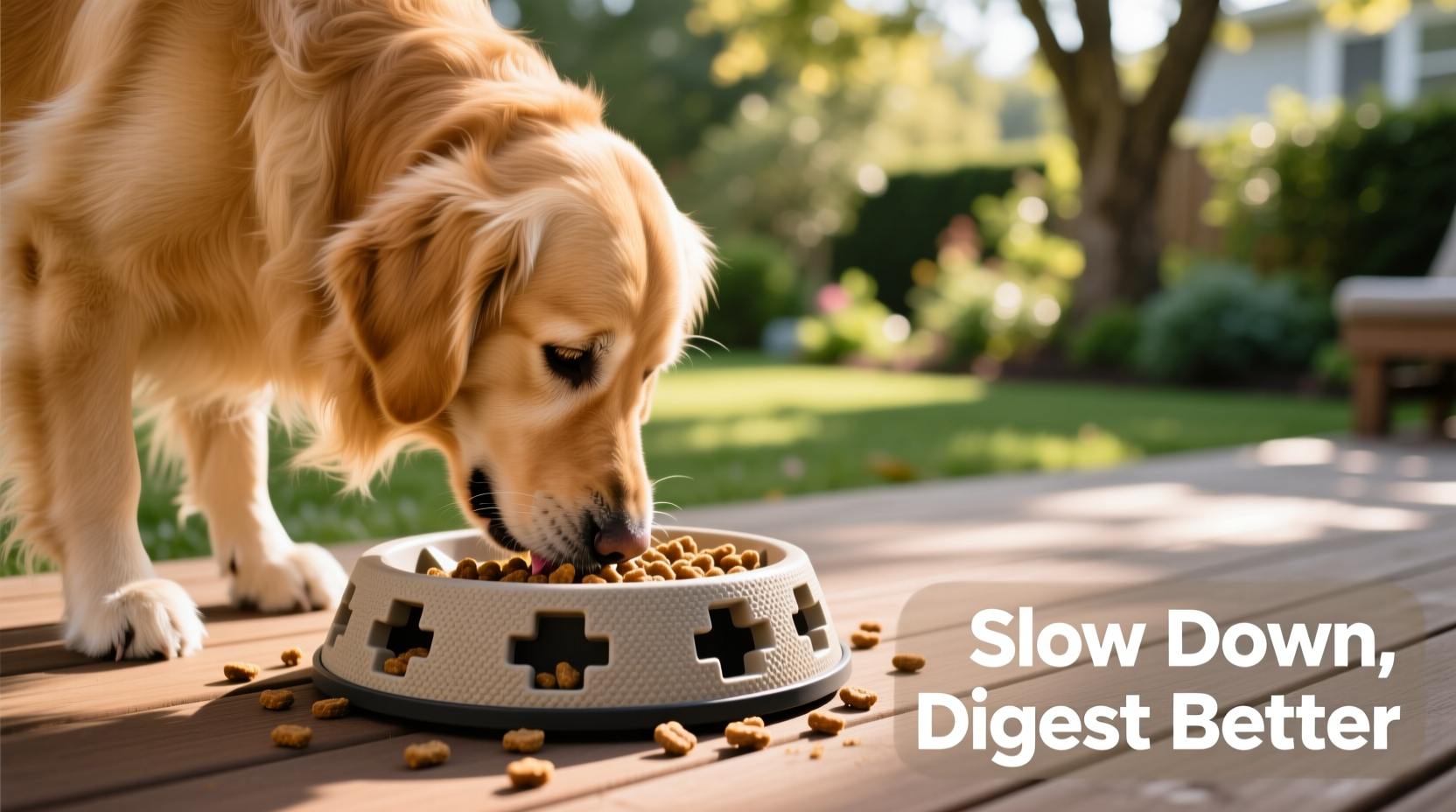
When dogs eat too quickly, they swallow large amounts of air along with their food—a condition known as aerophagia. This excess air can contribute to gastric dilatation-volvulus (GDV), commonly referred to as bloat, which is a life-threatening emergency, especially in deep-chested breeds like Great Danes or German Shepherds. Additionally, fast eaters are more likely to regurgitate their meals or experience indigestion due to insufficient chewing and premature stomach expansion.
Rapid consumption also bypasses the natural digestive process that begins in the mouth. Chewing stimulates saliva production, which contains enzymes that start breaking down food. Without proper mastication, the digestive system must work harder, potentially leading to gas, diarrhea, or constipation.
“Slowing down mealtime isn’t just about manners—it’s a critical component of digestive wellness in dogs.” — Dr. Lena Torres, DVM, Veterinary Nutrition Specialist
Use Specialized Feeding Tools
One of the most effective ways to reduce eating speed is by changing how food is presented. Traditional flat bowls encourage gulping. In contrast, interactive feeding tools force dogs to work for their food, naturally slowing consumption.
| Feeding Tool | How It Works | Best For |
|---|---|---|
| Slow feeder bowls | Maze-like ridges require dogs to nudge kibble out piece by piece | Moderate-speed eaters |
| Puzzle feeders | Require manipulation to release food; engage problem-solving skills | Active, intelligent breeds |
| Snuffle mats | Hide food in fabric folds, encouraging foraging behavior | Dogs needing mental stimulation |
| Portion-puzzle balls | Dispense kibble as the dog rolls it around | High-energy dogs |
Modify Feeding Techniques and Schedule
Beyond tools, how and when you feed your dog plays a major role in their eating pace. Consider these proven techniques:
- Divide meals into smaller portions: Instead of two large meals, offer three to four smaller ones throughout the day. This reduces hunger-driven urgency.
- Elevate the bowl slightly: For some dogs, especially larger breeds, raising the bowl to chest level can reduce strain and discourage gulping.
- Hand-feed small bites: During training sessions, hand-feeding teaches patience and reinforces calm behavior around food.
- Use timed feeding windows: Limit access to food to 15–20 minutes. Remove the bowl afterward to discourage frantic eating.
Step-by-Step Guide: Transitioning to a Slow Feeding Routine
- Assess current eating speed: Observe how long your dog takes to finish a meal—under one minute is dangerously fast.
- Choose a suitable tool: Start with a simple slow feeder bowl if your dog is new to interactive feeding.
- Introduce the tool with praise: Place familiar food in the device and let your dog explore it with encouragement.
- Monitor and adjust: If your dog still finishes too quickly, try a more complex puzzle or add obstacles like tennis balls (clean and safe) to their regular bowl.
- Consistency is key: Use the tool at every meal until slow eating becomes habitual—this may take 2–4 weeks.
Enhance Digestion Through Diet and Environment
Even with slower eating, digestion depends on diet quality and feeding environment. Stress, low-fiber foods, and sudden changes can negate progress.
Select high-quality kibble with fiber sources like beet pulp, pumpkin, or chicory root. These ingredients support gut motility and microbial balance. Avoid fillers such as corn and soy, which are harder to break down and may cause inflammation.
The feeding environment matters just as much. Dogs in busy or competitive households may feel pressured to eat fast due to anxiety. Feed in a quiet, distraction-free space. If you have multiple pets, separate them during meals to eliminate competition.
Tip: Soak dry kibble in warm water for 5–10 minutes before serving. The softened texture slows eating and eases digestion, especially for seniors or dogs with dental issues.Mini Case Study: Max, the Labrador Who Ate Too Fast
Max, a 3-year-old male Labrador Retriever, routinely finished his dinner in under 45 seconds. His owner noticed frequent burping, occasional vomiting, and lethargy after meals. After a vet visit ruled out obstruction, the veterinarian recommended a slow feeder and dietary adjustment.
Max’s owner introduced a maze-style bowl and began mixing in canned pumpkin for added fiber. They also started feeding him in a quiet corner of the kitchen, away from the other dog. Within three weeks, Max’s mealtime extended to nearly ten minutes. His owner reported less gas, improved energy levels, and no post-meal vomiting. The change not only enhanced digestion but also reduced begging behavior—he felt fuller longer.
Checklist: How to Prevent Rapid Eating and Support Digestion
- ✅ Assess your dog’s current eating speed
- ✅ Invest in a slow feeder or puzzle toy
- ✅ Divide daily food into 3–4 smaller meals
- ✅ Feed in a calm, isolated area
- ✅ Choose high-fiber, easily digestible food
- ✅ Avoid feeding right before or after intense exercise
- ✅ Monitor for signs of bloating (restlessness, drooling, swollen abdomen)
- ✅ Consult your vet if gulping persists despite interventions
Frequently Asked Questions
Can eating too fast cause bloat in dogs?
Yes. Rapid eating increases air intake, which can contribute to gastric dilation. In severe cases, the stomach twists (volvulus), cutting off blood flow. This is a medical emergency requiring immediate surgery. Slower eating significantly reduces this risk.
Are certain breeds more prone to fast eating?
While any dog can be a fast eater, highly food-motivated breeds like Labradors, Beagles, and Terriers are more likely to gulp. Large and deep-chested breeds are also at higher risk for complications like bloat, making pacing even more critical.
Is it safe to use homemade alternatives to slow feeders?
Yes, with caution. Placing a clean tennis ball or silicone muffin cup in the bowl can work temporarily. However, ensure objects are too large to swallow and made of non-toxic materials. Dedicated slow feeders are safer and more effective long-term.
Final Thoughts: Small Changes, Big Impact
Helping your dog eat more slowly isn’t just about preventing mess or noise—it’s a vital step toward long-term health. Improved digestion leads to better nutrient absorption, consistent energy, and fewer gastrointestinal issues. By combining the right tools, feeding practices, and environmental adjustments, you give your dog the chance to enjoy meals safely and comfortably.
💬 Have you tried slow feeders or feeding puzzles? Share your experience or tips in the comments below—your insight could help another pet parent make a positive change today.








