Dogs have a curious relationship with feces—one that often baffles and frustrates their owners. Coprophagia, the technical term for eating feces, is more common than many realize. While occasional stool consumption may not signal serious illness, it can expose dogs to parasites, bacteria, and digestive upset. More importantly, it’s a behavior that can be corrected with consistent training, environmental management, and proper health care. Understanding why dogs engage in this habit—and how to effectively intervene—is essential for pet owners committed to their dog’s long-term health and hygiene.
Understanding Why Dogs Eat Feces
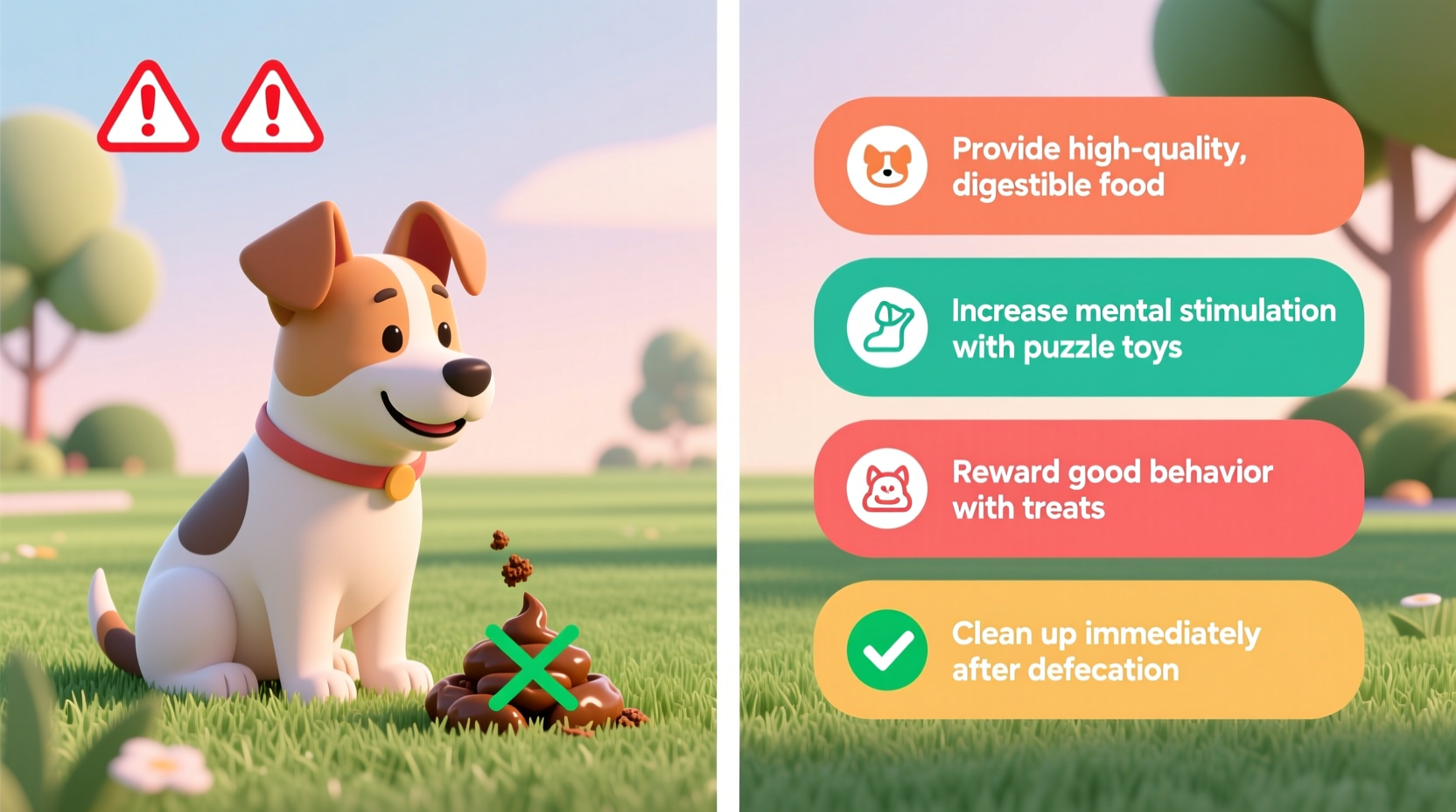
Coprophagia isn’t just gross—it’s biologically rooted in several possible causes. In puppies, it may stem from natural maternal instincts; mother dogs clean their young by consuming waste. Some adult dogs continue the behavior due to learned patterns or boredom. Other contributing factors include:
- Nutritional deficiencies: Poorly digested food or enzyme shortages may lead dogs to seek nutrients in unexpected places.
- Parasites or gastrointestinal disorders: Intestinal worms or malabsorption issues can trigger unusual eating behaviors.
- Stress or anxiety: Dogs in confined or high-stress environments may resort to coprophagia as a coping mechanism.
- Attention-seeking: If the behavior previously elicited a reaction (even negative), the dog may repeat it for engagement.
- Instinctual scavenging: Wild canines consume feces of prey to mask scent or survive scarcity—traits still present in domestic breeds.
Recognizing the root cause is the first step toward meaningful intervention.
Tip: Monitor your dog closely after meals and during potty breaks—early observation helps identify triggers.Step-by-Step Guide to Eliminate the Behavior
Stopping coprophagia requires patience and consistency. Follow this structured approach to address both immediate actions and long-term prevention:
- Rule out medical issues. Schedule a vet visit to test for parasites, pancreatic insufficiency, or dietary imbalances.
- Pick up waste immediately. Keep yards and walking areas clean to reduce access.
- Use positive reinforcement. Reward your dog with treats and praise when they ignore feces during walks.
- Train the “Leave It” command. Practice daily in controlled environments before applying it outdoors.
- Introduce deterrents. Apply commercially available taste-aversion products to stools (under veterinary guidance).
- Incorporate mental stimulation. Provide puzzle toys and training games to reduce boredom-related behaviors.
- Reevaluate diet. Switch to a highly digestible, balanced food rich in enzymes and probiotics if needed.
This seven-step process builds layers of prevention, increasing the likelihood of lasting success.
Do’s and Don’ts When Addressing Coprophagia
| Do’s | Don’ts |
|---|---|
| Consult your veterinarian early to rule out health problems | Yell at or punish your dog—this increases stress and may worsen the behavior |
| Clean up feces within minutes of elimination | Ignore repeated incidents—consistency is key |
| Use high-value treats to reinforce alternative behaviors | Assume it’s “just a phase” without investigating underlying causes |
| Rotate enrichment activities to keep your dog mentally engaged | Allow unsupervised access to litter boxes or other animals’ waste |
| Track progress in a journal to identify patterns | Give up after initial setbacks—behavior change takes time |
Real Example: How Max the Beagle Stopped Eating Rabbit Droppings
Max, a three-year-old Beagle living in suburban Maryland, had developed a troubling habit of eating rabbit droppings in his backyard. His owner, Sarah, noticed recurring bouts of soft stool and occasional vomiting. After a veterinary checkup ruled out parasites but revealed mild pancreatic insufficiency, the vet recommended enzyme supplements and behavioral modification.
Sarah began picking up all visible pellets daily and installed a mesh barrier around the garden where rabbits frequented. She trained Max using the “Leave It” command, rewarding him with freeze-dried liver treats when he obeyed. She also introduced a snuffle mat and daily nosework games to redirect his foraging instincts.
Within six weeks, Max stopped approaching the droppings altogether. By week ten, the behavior had ceased entirely. Sarah credits the combination of medical support, environmental control, and mental enrichment for Max’s turnaround.
“Coprophagia is rarely just about willfulness. It’s often a sign of unmet physical or psychological needs.” — Dr. Lena Torres, DVM, Canine Behavior Specialist
Checklist: Preventing Coprophagia in Your Dog
Use this actionable checklist to create a comprehensive plan tailored to your dog’s needs:
- ✅ Schedule a veterinary exam to assess digestion and nutrient absorption
- ✅ Test for intestinal parasites if not done in the past 6 months
- ✅ Clean up feces in yard and on walks immediately
- ✅ Train and practice the “Leave It” command for 5–10 minutes daily
- ✅ Feed a high-quality, easily digestible diet with added fiber if recommended
- ✅ Rotate interactive toys and introduce scent-based games weekly
- ✅ Limit access to cat litter boxes, compost bins, or other animal waste sources
- ✅ Use a muzzle during walks if supervision is difficult (only under guidance)
- ✅ Record incidents to identify timing, location, and potential triggers
- ✅ Consult a certified canine behaviorist if the behavior persists beyond 8 weeks
Frequently Asked Questions
Is eating feces dangerous for dogs?
Yes. Consuming feces—especially from other animals—can transmit parasites like roundworms, giardia, or coccidia. It may also lead to bacterial infections such as salmonella or E. coli. Even eating their own stool introduces harmful gut flora back into the digestive system, potentially causing nausea, diarrhea, or appetite loss.
Can adding pineapple or meat tenderizer to my dog’s food stop the behavior?
This is a popular myth, but there’s no scientific evidence that pineapple or enzyme powders make feces less appealing. While some anecdotal reports exist, results are inconsistent. Relying solely on dietary additives without addressing behavioral or medical causes is unlikely to succeed.
How long does it take to stop coprophagia?
With consistent effort, most dogs show improvement within 4–8 weeks. However, full resolution may take longer, especially if anxiety or ingrained habits are involved. Patience and daily reinforcement are crucial.
Conclusion: Building Healthier Habits Starts Today
Preventing your dog from eating feces isn’t just about cleanliness—it’s about fostering a healthier, more balanced life. By combining veterinary insight, environmental control, and positive training techniques, you can break the cycle of coprophagia and strengthen your bond with your pet. Remember, every small step—from cleaning up faster to playing a five-minute training game—adds up to real change.
💬 Have you successfully stopped your dog from eating feces? Share your story or tips in the comments—your experience could help another pet owner find relief and hope.








