
Destructive chewing is one of the most common behavioral challenges dog owners face. Whether it’s shredded shoes, gnawed baseboards, or a favorite couch cushion reduced to stuffing, unchecked chewing can be frustrating and costly. While puppies chew as part of teething and exploration, adult dogs may continue the behavior due to boredom, anxiety, or lack of training. The good news: with consistent effort and the right approach, this habit can be managed—and often eliminated. This guide outlines practical, humane, and effective strategies to stop your dog from chewing everything in sight.
Understand Why Dogs Chew
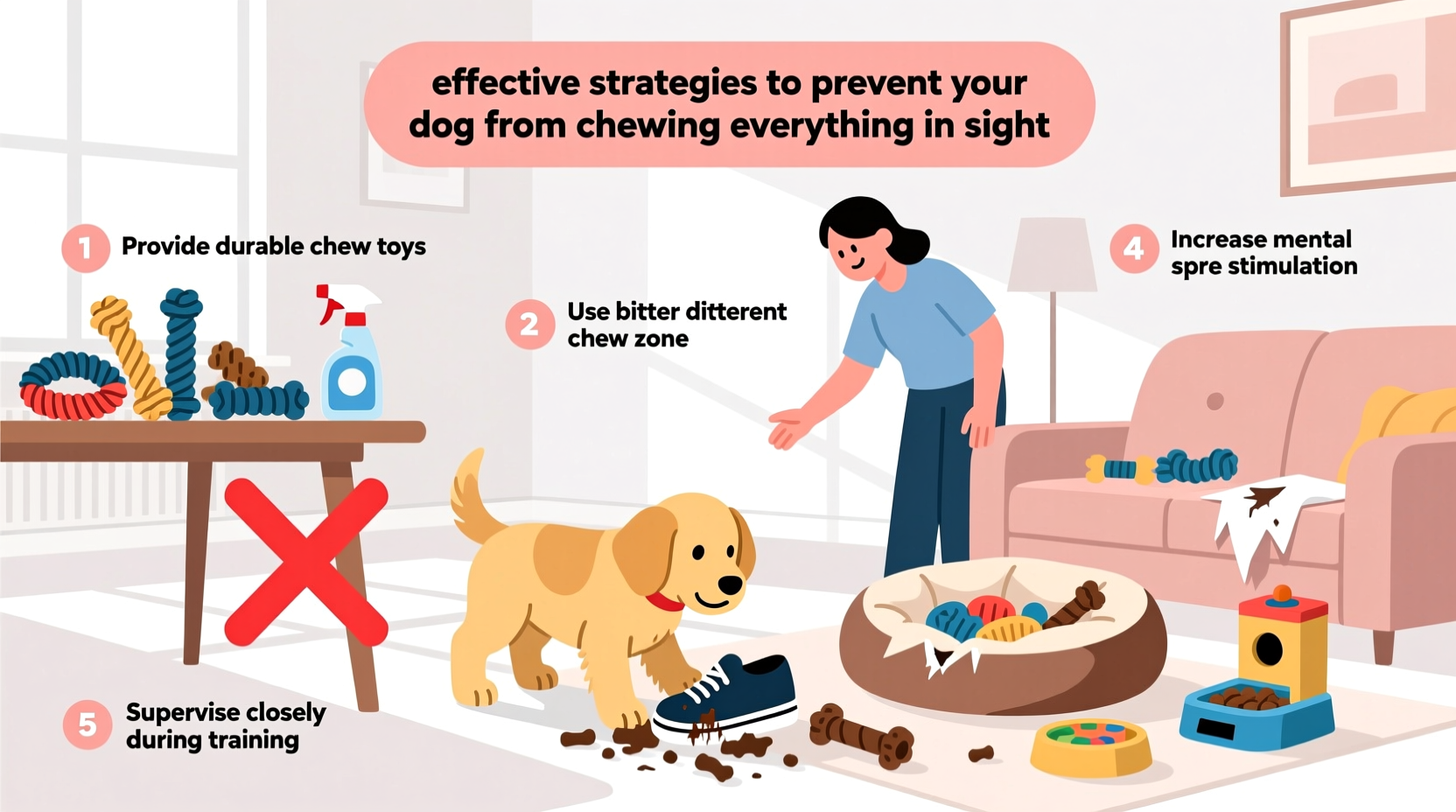
Before addressing the behavior, it's essential to understand its root causes. Chewing is a natural canine activity. Puppies explore their world through their mouths, much like human babies do. Adult dogs may chew to relieve stress, combat boredom, or simply because they enjoy the sensation. However, when chewing turns destructive, it signals an unmet need.
- Teething (3–6 months): Puppies lose baby teeth and grow adult ones, causing discomfort that encourages chewing.
- Boredom: Dogs without sufficient mental or physical stimulation seek entertainment—often in the form of household items.
- Anxiety: Separation anxiety or environmental stressors can trigger compulsive chewing.
- Lack of training: If a dog hasn’t learned what is acceptable to chew, it will make its own decisions.
Addressing the underlying cause is critical. A dog left alone for eight hours with no toys or exercise cannot be expected to behave perfectly.
Tip: Rotate your dog’s toys weekly to maintain novelty and engagement—dogs, like people, get bored with the same items.Provide Appropriate Chew Alternatives
The goal isn’t to eliminate chewing but to redirect it toward appropriate objects. Offering a variety of safe, appealing chew toys reduces the temptation to target furniture or personal belongings.
Choose toys based on your dog’s size, chewing strength, and preferences. Rubber toys like Kongs, nylon bones, and dental chews are durable and satisfying. Avoid toys that can splinter or break into small pieces, which pose choking hazards.
| Type of Chew Toy | Best For | Avoid If… |
|---|---|---|
| Rubber toys (e.g., Kong) | All dogs, especially strong chewers | Dog has a history of swallowing large pieces |
| Stuffed puzzle toys | Mental stimulation, food-motivated dogs | Dog destroys soft materials quickly |
| Nylon bones | Dogs needing long-lasting chewing | Puppy still teething—too hard for young teeth |
| Rawhide (with caution) | Dogs who like to shred and nibble | Dog tends to swallow chunks; supervise closely |
Stuffing a Kong with peanut butter or frozen broth can extend engagement time significantly. This not only satisfies the urge to chew but also provides mental enrichment.
Implement a Structured Routine
Dogs thrive on predictability. A consistent daily routine reduces anxiety and prevents boredom—the two primary drivers of destructive chewing.
- Morning walk or play session: Start the day with 20–30 minutes of physical activity.
- Training or puzzle games: Spend 10–15 minutes on obedience drills or treat-dispensing puzzles.
- Calm downtime: Allow rest in a designated area with a chew toy after activity.
- Evening reinforcement: Repeat mental or physical exercise before bedtime.
When leaving your dog alone, confine them to a safe space—such as a crate or dog-proofed room—with durable chew toys. Never leave them unsupervised with access to the entire house until reliable behavior is established.
“Consistency is more important than intensity. A dog who knows what to expect is less likely to act out.” — Dr. Lisa Marasco, Veterinary Behaviorist
Use Positive Reinforcement and Redirection
Punishment-based methods often backfire, increasing fear and confusion. Instead, use positive reinforcement to shape desired behavior. When you catch your dog chewing an inappropriate item, calmly say “Leave it,” offer an approved chew toy, and praise them when they switch.
Over time, this teaches the dog that good choices lead to rewards. Use high-value treats during training sessions to strengthen the association between acceptable toys and positive outcomes.
Tip: Spray bitter apple or pet-safe deterrents on furniture legs or cords to discourage chewing—pair this with offering a better alternative.Mini Case Study: Max, the Labrador Puppy
Max, a 5-month-old Labrador, was destroying his owner’s slippers, remote controls, and corner molding within weeks of adoption. His owners worked full-time and assumed he was just being “puppyish.” After consulting a trainer, they implemented a structured plan: morning jogs, stuffed Kongs before leaving, and crate training. They also began a daily 10-minute training routine using treats and praise.
Within three weeks, destructive chewing dropped by 80%. By six weeks, Max consistently chose his rubber bone over household items. The key wasn’t punishment—it was providing structure, stimulation, and clear boundaries.
Prevention Checklist: Stop Chewing Before It Starts
Use this actionable checklist to create a chew-resistant environment:
- ✅ Dog-proof your home: Remove tempting items (shoes, cords, books) or store them out of reach.
- ✅ Provide at least 3–5 different chew toys rotated weekly.
- ✅ Ensure your dog gets daily physical exercise (minimum 30–60 minutes).
- ✅ Offer mental stimulation: puzzle feeders, scent games, or training drills.
- ✅ Crate train your dog for safe confinement when unsupervised.
- ✅ Supervise closely during initial training phases.
- ✅ Use taste deterrents on off-limits surfaces.
- ✅ Reward your dog immediately when they choose appropriate chew items.
Frequently Asked Questions
Why does my dog only chew when I’m not home?
This is often a sign of separation anxiety or boredom. Dogs left alone for long periods without stimulation resort to chewing as a coping mechanism. Consider increasing pre-departure exercise, using interactive toys, or consulting a behaviorist if anxiety is suspected.
Are antler or rawhide chews safe?
They can be, but with caveats. Antlers are extremely hard and may crack teeth in aggressive chewers. Rawhide can cause intestinal blockages if swallowed in large pieces. Always supervise your dog with these treats and remove them once small enough to swallow.
My adult dog never chewed before—why now?
Sudden chewing in an adult dog may indicate medical issues (e.g., dental pain), environmental changes (new pet, move), or increased stress. Rule out health problems with a vet visit and assess recent lifestyle shifts.
Final Thoughts: Consistency Builds Lasting Change
Stopping destructive chewing isn’t about quick fixes—it’s about understanding your dog’s needs and guiding their behavior with patience and consistency. Every dog is capable of learning what’s acceptable, but they rely on their humans to set the rules and provide the tools. With the right combination of exercise, mental engagement, appropriate chew options, and positive reinforcement, you can transform your home from a chew zone into a peaceful, dog-friendly space.
💬 Have a success story or challenge with dog chewing? Share your experience in the comments—your insight could help another pet owner find relief and build a stronger bond with their dog.








