Dog owners know the joy of a playful pup—but that same energy can lead to dangerous habits like chewing electrical cords. Exposed wires pose serious risks: electrocution, burns, fire hazards, and costly damage. More importantly, they threaten your dog’s safety. Preventing this behavior isn’t just about protecting your electronics; it’s about safeguarding your pet’s life. The good news is that with consistent training, environmental management, and understanding canine instincts, you can eliminate cord-chewing for good.
Dogs chew for many reasons—teething in puppies, boredom, anxiety, or simply curiosity. Electrical cords, with their slight hum and pliable texture, often mimic toys or prey. Without intervention, this habit can escalate quickly. The solution lies not in punishment, but in redirection, prevention, and positive reinforcement. Below are comprehensive, expert-backed strategies to keep your dog—and your home—safe.
Understanding Why Dogs Chew Cords
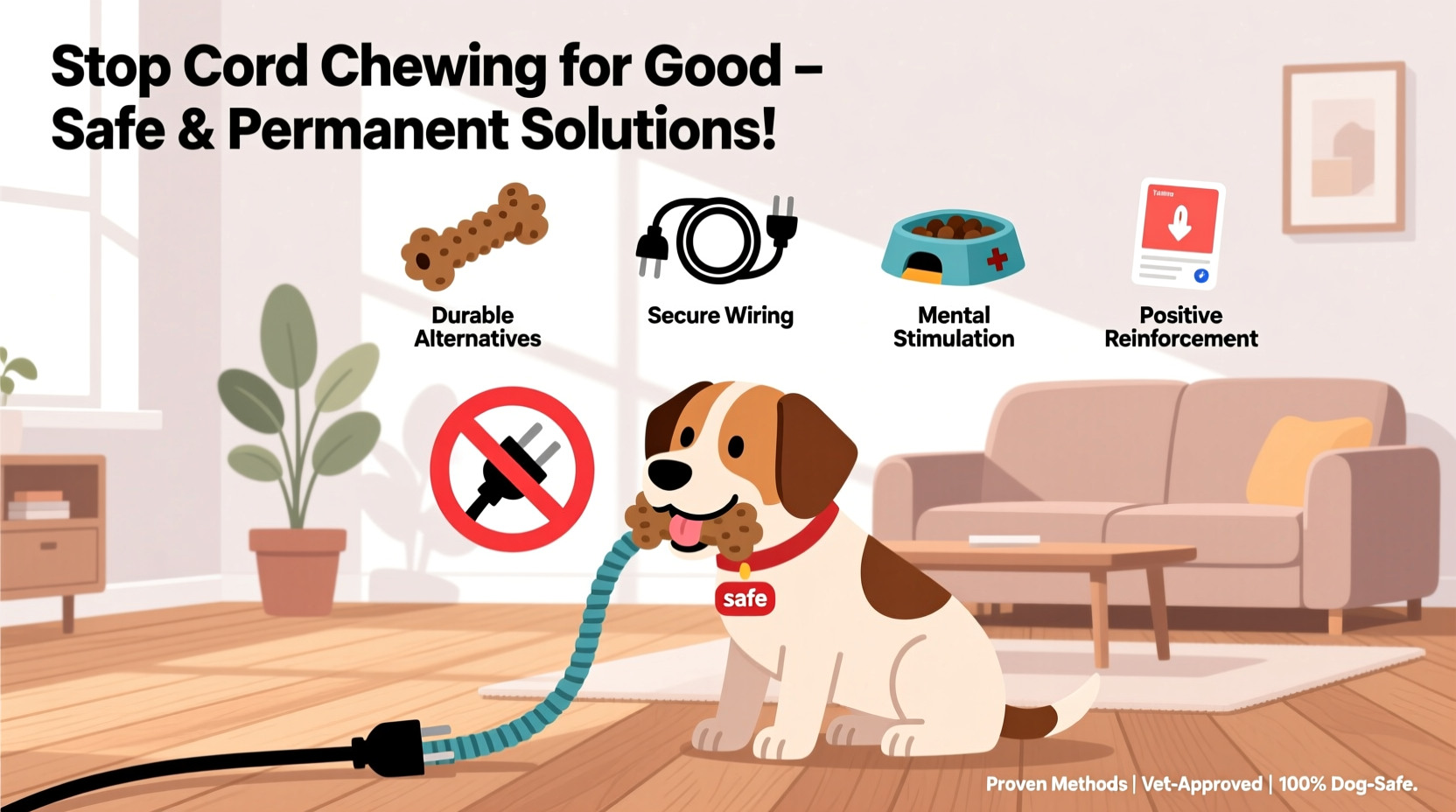
Before addressing how to stop cord chewing, it’s essential to understand why dogs do it. This behavior rarely stems from malice. Instead, common causes include:
- Teething (3–6 months): Puppies chew to relieve gum discomfort.
- Boredom or lack of stimulation: Dogs left alone without toys or exercise may resort to destructive behaviors.
- Attention-seeking: Some dogs learn that chewing gets a reaction—even if it’s negative.
- Anxiety or stress: Separation anxiety or environmental changes can trigger compulsive chewing.
- Natural instinct: Chewing mimics hunting or den-building behaviors rooted in ancestral drives.
Recognizing the root cause allows for targeted solutions. A teething puppy needs chew alternatives; an anxious dog requires behavioral support. Blanket corrections without addressing the underlying issue will fail long-term.
Tip: Never yell or physically punish a dog for chewing cords. This increases fear and confusion, worsening the behavior.Immediate Safety Measures: Protect Your Home Now
Safety comes first. While you work on long-term training, take immediate steps to minimize risk:
- Hide or cover cords: Use cord protectors, braided sleeves, or raceways to encase wires. These are inexpensive and widely available.
- Elevate cords: Route cables along walls, behind furniture, or use cable clips to keep them out of reach.
- Unplug when not in use: Devices like phone chargers or lamps don’t need to stay plugged in constantly.
- Use bitter sprays: Apply pet-safe deterrent sprays (e.g., Grannick’s Bitter Apple) to cords. Most dogs dislike the taste.
- Install barriers: Baby gates or playpens can restrict access to high-risk areas like entertainment centers.
These measures create a safer environment while you implement behavioral changes. They’re not permanent fixes, but they buy time and reduce danger significantly.
Step-by-Step Guide to Eliminate Cord Chewing
Stopping the behavior permanently requires consistency and patience. Follow this 5-step plan:
- Remove temptation: Make cords inaccessible using covers, clips, or cord organizers. Treat your home like a puppy-proofed zone.
- Provide acceptable alternatives: Offer durable chew toys made for aggressive chewers (e.g., rubber Kongs, nylon bones). Rotate toys weekly to maintain interest.
- Supervise closely: When your dog is loose, watch for signs of chewing. Interrupt gently with a firm “Leave it,” then redirect to a toy.
- Reinforce good behavior: Reward your dog with treats, praise, or playtime when they choose a toy over a cord.
- Gradually reintroduce cords: Once your dog consistently avoids cords, allow monitored exposure. Use commands like “Leave it” to reinforce boundaries.
This process takes weeks, not days. Consistency across all household members is critical—mixed signals confuse dogs and delay progress.
Do’s and Don’ts of Managing Cord-Chewing Behavior
| Do’s | Don’ts |
|---|---|
| Use pet-safe bitter sprays on cords | Use harmful substances like chili pepper or vinegar |
| Offer multiple chew toys suited to your dog’s size | Give old shoes or socks as chew items (confuses boundaries) |
| Supervise your dog during free-roam periods | Leave your dog unattended near exposed cords |
| Exercise your dog daily to reduce excess energy | Rely solely on punishment or shock collars |
| Consult a trainer for persistent cases | Assume the behavior will “grow out” on its own |
Real Example: How One Owner Stopped Her Dog’s Dangerous Habit
Sarah, a dog owner in Portland, noticed her 5-month-old Labrador, Max, had chewed through two charging cables. After a close call with sparking wires, she took action. She installed cord protectors, used bitter spray, and began a structured routine: 30 minutes of morning exercise, puzzle toys during downtime, and constant supervision when indoors.
Whenever Max approached a cord, she said “Leave it” and tossed his favorite tug toy nearby. Over two weeks, the incidents dropped from daily to zero. By week six, Max no longer showed interest in cords. Sarah credits success to consistency and replacing the behavior with something more rewarding.
“Dogs don’t chew because they’re ‘bad’—they chew because we haven’t given them a better option.” — Dr. Lisa Peterson, Veterinary Behaviorist
Prevention Checklist: Secure Your Home Today
Use this checklist to ensure your home is cord-safe and dog-friendly:
- ✅ Inspect all rooms for exposed cords
- ✅ Install cord covers or wire channels
- ✅ Unplug devices when not in use
- ✅ Apply pet-safe deterrent spray to any accessible wires
- ✅ Provide at least three appropriate chew toys
- ✅ Establish a daily exercise routine (walks, fetch, training)
- ✅ Supervise your dog during unscheduled indoor time
- ✅ Train the “Leave it” command using positive reinforcement
- ✅ Rotate toys weekly to prevent boredom
- ✅ Consult a professional if chewing persists beyond 6 months
Frequently Asked Questions
Can chewing cords electrocute my dog?
Yes. If a dog bites through a live wire, electricity can pass through their mouth and body, causing burns, cardiac arrest, or death. Even minor shocks can lead to respiratory issues or long-term anxiety around electronics.
Is it normal for adult dogs to chew cords?
While more common in puppies, adult dogs may chew due to anxiety, lack of training, or insufficient mental stimulation. Persistent chewing in adults warrants behavioral evaluation—it’s not a phase you should ignore.
Are there specific breeds more prone to chewing?
High-energy or oral-focused breeds—like Labradors, Border Collies, and Terriers—are more likely to chew. However, any dog can develop the habit if bored or under-stimulated.
Conclusion: Build a Safer, Happier Environment for Your Dog
Preventing your dog from chewing cords isn’t just about discipline—it’s about empathy, preparation, and consistency. By understanding your dog’s motivations, removing hazards, and providing better outlets for natural behaviors, you create a home where both pet and owner thrive. The strategies outlined here go beyond quick fixes; they build long-term habits that protect your dog’s health and your peace of mind.
Start today: inspect your living space, invest in cord protectors, and introduce engaging chew alternatives. With patience and proactive care, you can eliminate this dangerous behavior for good.
💬 Have a story about stopping your dog’s chewing habit? Share your experience below and help other pet owners find solutions!








