Cat owners know the joy of feline companionship—but also the frustration of finding litter scattered across floors, kicked out with precision after every use. While digging and burying are natural instincts, excessive litter tracking isn’t inevitable. With thoughtful adjustments to litter box setup, substrate choice, and daily habits, you can significantly reduce or even eliminate the mess. The key lies in understanding your cat’s behavior and addressing both environmental and physical factors that contribute to litter scatter.
Understanding Why Cats Throw Litter
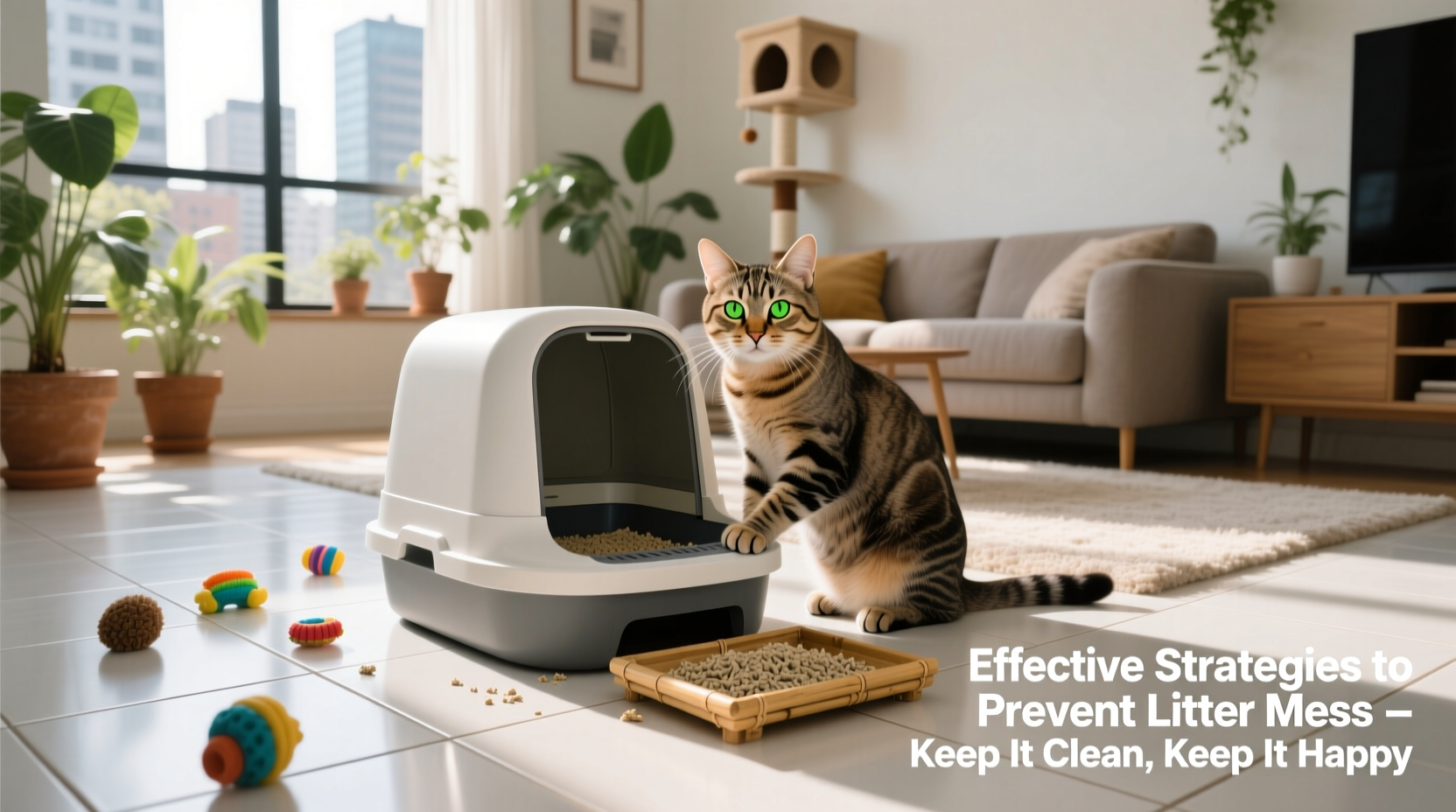
Cats naturally dig and cover their waste as an instinctual behavior inherited from wild ancestors. This action helps mask scent from predators and rivals. However, the force and frequency with which some cats fling litter beyond the box suggest more than just instinct at play. Factors such as box size, litter texture, placement, and even health conditions influence how much litter ends up on your floor.
Some cats are particularly vigorous diggers, especially when using fine-grained or lightweight clumping litters. Others may be reacting to a dirty box, insufficient space, or anxiety related to location (e.g., high-traffic areas). In multi-cat households, competition for clean space can escalate scratching intensity, increasing litter displacement.
“Litter box behavior is often a reflection of comfort, safety, and accessibility. When cats feel secure and the environment supports their needs, inappropriate elimination and excessive scattering decrease.” — Dr. Lena Patel, Feline Behavior Consultant
Choose the Right Litter Box and Placement
The design and location of the litter box are foundational to minimizing litter scatter. A poorly placed or undersized box encourages overzealous digging and side-kicking.
Box Type Considerations
Traditional open boxes allow easy access but offer little containment. Covered boxes can reduce visible mess but may trap odors, discouraging use. Top-entry models limit sideways ejection but aren't suitable for older or arthritic cats.
Consider larger, rectangular boxes—at least 1.5 times your cat’s length. Bigger space reduces the chance of paws hitting the sides during digging, decreasing litter propulsion. Some owners opt for double-box systems: placing a second empty tray beneath the primary box to catch fallout while allowing airflow.
Strategic Placement Tips
- Place the litter box on a hard, non-porous surface like tile or vinyl, not carpet, to make cleanup easier.
- Avoid corners where two walls already contain some scatter—positioning near a third wall allows for a litter mat behind the box.
- Ensure quiet, low-traffic locations where your cat feels safe during use.
- In multi-level homes, provide at least one box per floor.
Optimize Litter Choice and Depth
Not all litters behave the same. Lightweight, fine-particle clumping litters are often the worst offenders for tracking and kicking. Heavier, coarser grains tend to stay put.
| Litter Type | Scatter Risk | Tracking Risk | Notes |
|---|---|---|---|
| Clay (Fine) | High | High | Affordable but messy; prone to dust and kick-out. |
| Clumping (Lightweight) | High | Very High | Popular but easily propelled; consider alternatives. |
| Silica Gel Crystals | Low | Moderate | Poor clumping ability; some cats dislike texture. |
| Paper Pellets | Low-Moderate | Low | Eco-friendly, heavy, less likely to scatter. |
| Wood Pellets | Low | Low | Natural, absorbent, but may break down into sawdust. |
Depth matters too. More than 2–3 inches encourages deeper digging and greater momentum when kicking. Stick to a layer no thicker than 2 inches. You might experiment with gradual reductions if your cat is used to deep bedding.
Containment Tools and Floor Protection
Even with optimal litter and box choices, some scatter is inevitable. The goal is to contain it efficiently.
Litter Mats That Work
Place a high-traction, ridged litter mat directly under and around the box. Look for mats with deep grooves that trap granules as your cat steps out. Rubber-backed options prevent sliding. Some owners layer two mats—one textured side-up, the other bristled—to maximize capture.
Alternatively, DIY solutions like low-pile bathroom rugs or AstroTurf scraps can trap litter while being easy to vacuum. Avoid shaggy or fibrous materials that retain particles.
DIY Litter Box Modifications
For persistent scatterers, modify the box itself:
- Add a lip extension using non-toxic silicone or attach a flexible plastic guard to one side where most kicking occurs.
- Position the box against a wall to block one direction of escape.
- Use a large storage bin turned on its side as a custom enclosure with three built-in walls.
Behavioral Adjustments and Training Timeline
While you can’t train a cat to stop digging entirely, you can shape cleaner habits through consistency and positive reinforcement.
Step-by-Step Adjustment Plan (Over 4 Weeks)
- Week 1: Replace current litter with a heavier, coarser alternative. Mix old and new gradually (75% old, 25% new).
- Week 2: Reduce litter depth to 2 inches. Introduce a litter-catching mat. Monitor usage and cleanliness.
- Week 3: Relocate the box if needed, ensuring it’s in a quiet, accessible area. Add a second box if multiple cats are present.
- Week 4: Evaluate scatter levels. If improvement is minimal, test a larger box or partial hood with front opening for better containment without compromising ventilation.
Never punish your cat for litter kicking—it’s a natural behavior. Instead, reward calm exits with treats or affection to reinforce post-litter composure.
Mini Case Study: Reducing Scatter in a Multi-Cat Home
Sarah, a pet owner in Portland, struggled with litter covering her hardwood floors despite daily scooping. She had two cats sharing one standard-sized box filled with lightweight clumping litter. After consulting a vet behaviorist, she implemented changes: purchased two large, uncovered litter boxes, switched to paper pellet litter, and placed each box on a rubber litter mat in separate quiet rooms.
Within three weeks, floor litter decreased by over 80%. One cat preferred the wood pellets, the other adjusted to paper. Sarah noted that giving each cat dedicated space reduced competitive digging. She now cleans mats biweekly and replaces litter fully every 10 days.
Checklist: How to Minimize Litter Scatter
- ☐ Use a litter box that’s at least 1.5x your cat’s body length
- ☐ Switch to heavier, coarse-textured litter (e.g., paper, wood, or silica)
- ☐ Limit litter depth to 1.5–2 inches
- ☐ Place a high-grip litter mat under and around the box
- ☐ Position the box in a low-traffic, quiet area
- ☐ Clean the box daily and replace litter regularly
- ☐ Consider a double-box system or partial barrier for extreme kickers
- ☐ Provide one litter box per cat, plus one extra
Frequently Asked Questions
Why does my cat kick litter so hard?
This behavior stems from instinct—cats bury waste to hide scent from predators. Some individuals are simply more vigorous diggers. Excessive kicking can also signal discomfort with litter texture, box cleanliness, or location stress.
Are covered litter boxes better for reducing mess?
They can help contain some side scatter, but many covered boxes lack ventilation, leading to odor buildup that deters use. If your cat tolerates a cover, choose one with a wide entrance and place a large mat at the exit to catch escaping litter.
Can I stop my cat from tracking litter on their paws?
You can’t eliminate it completely, but choosing low-tracking litter (like paper or wood) and using textured exit mats greatly reduces paw carry. Regularly trimming fur between paw pads also helps minimize clinging particles.
Final Thoughts and Action Steps
Preventing your cat from throwing litter everywhere doesn’t require extreme measures—just a strategic blend of product selection, spatial planning, and behavioral awareness. Start with one change at a time: swap the litter, add a mat, or upgrade the box size. Track improvements over a few weeks before making additional adjustments.
Remember, your cat isn’t being messy on purpose. Every flick of the paw is rooted in natural instinct. By aligning the litter environment with those instincts—offering enough space, the right texture, and a sense of security—you create a setup where cleanliness and comfort coexist.
🚀 Ready to reclaim your floors? Pick one strategy from this guide and implement it today. Share your progress or tips in the comments to help fellow cat owners keep their homes cleaner and their cats happier.








