Cat urine issues are one of the most common and frustrating challenges for pet owners. While it’s easy to assume your cat is acting out of spite, indoor urination is rarely about behavior alone—it’s often a signal of stress, medical concern, or environmental discomfort. Addressing this issue naturally not only preserves your home but also supports your cat’s well-being without resorting to aversive methods. This guide outlines science-backed, humane strategies that target the root causes of inappropriate urination and help restore harmony in your household.
Understand Why Cats Pee Outside the Litter Box
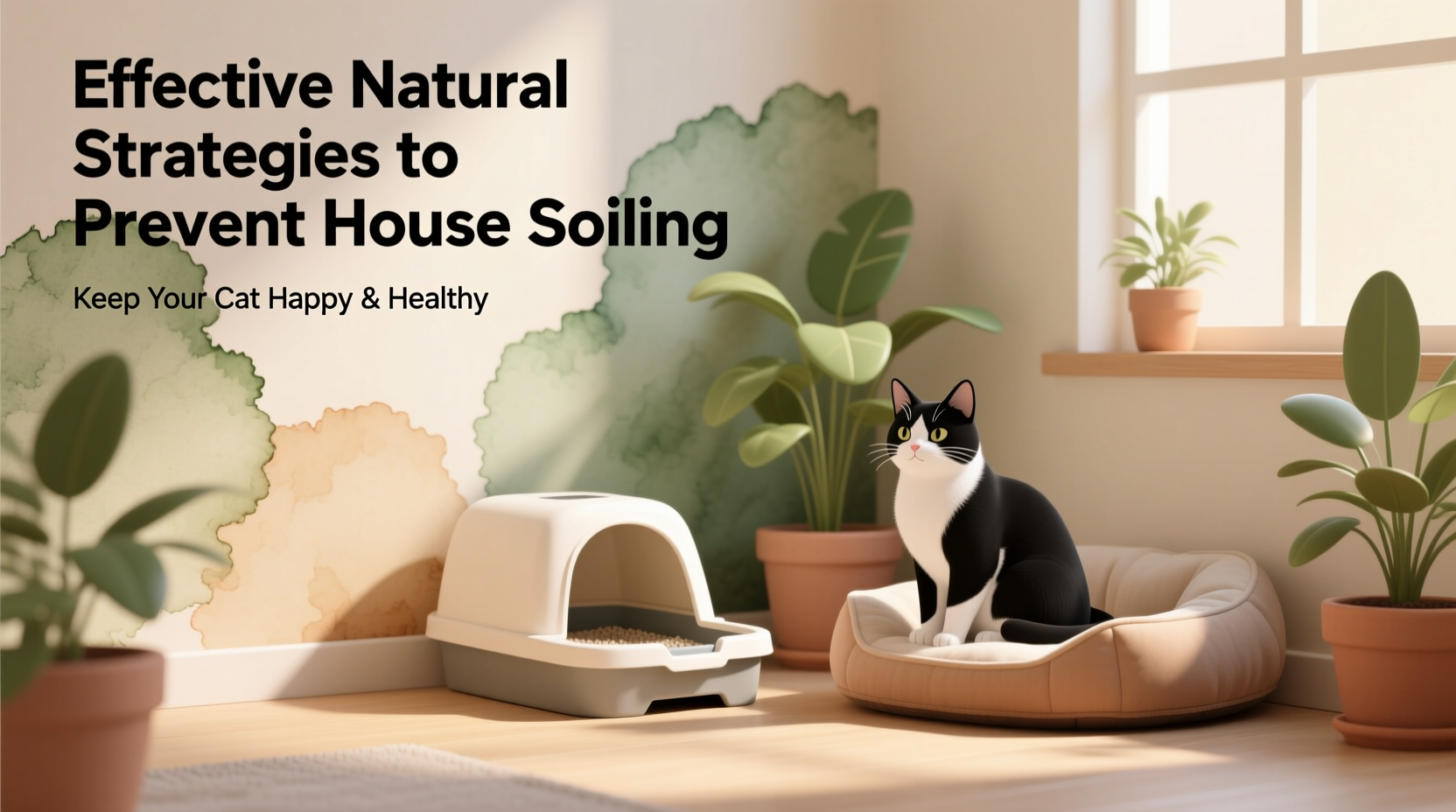
Cats are instinctively clean animals. When they begin urinating outside their litter box, it’s usually a symptom of an underlying issue. Common causes include:
- Medical problems: Urinary tract infections (UTIs), kidney disease, diabetes, or arthritis can make using the litter box painful or difficult.
- Litter box dissatisfaction: The location, type of litter, cleanliness, or number of boxes may not meet your cat’s needs.
- Stress or anxiety: Changes in routine, new pets, moving homes, or loud environments can trigger territorial marking.
- Marking behavior: Unneutered cats are more prone to spraying, especially in multi-cat households.
Before attempting behavioral fixes, rule out health concerns. A visit to the veterinarian should always be the first step.
Tip: Never punish your cat for urinating indoors. This increases stress and worsens the problem.Natural Deterrents That Work Without Harm
Once medical issues are ruled out, focus on creating an environment where your cat chooses the litter box over your carpet. Natural deterrents discourage repeat offenses by making unwanted areas less appealing—without toxic sprays or loud noises.
Here are several effective, non-toxic options:
- Citrus peels: Place lemon, orange, or lime peels in areas where your cat has urinated. Most cats dislike the scent.
- Vinegar solution: Mix equal parts white vinegar and water. Spray on soiled areas after cleaning. The smell deters cats while neutralizing urine odor.
- Essential oils (used cautiously): Eucalyptus, lavender, or citronella oils can act as repellents. However, never apply directly to surfaces your cat may lick—diffuse sparingly and avoid tea tree oil, which is toxic to cats.
- Aluminum foil or double-sided tape: These create unpleasant textures underfoot, discouraging cats from lingering in certain spots.
“Cats rely heavily on scent and texture cues. Altering these gently can redirect behavior without fear or trauma.” — Dr. Lena Torres, Feline Behavior Specialist
Optimize Litter Box Conditions
The litter box is ground zero for preventing accidents. Even small flaws in setup can lead to avoidance. Follow these best practices:
- Follow the 'N+1' rule: Provide one more litter box than the number of cats in your home.
- Location matters: Place boxes in quiet, low-traffic areas with easy access. Avoid placing them next to loud appliances or in isolated corners.
- Choose unscented, clumping litter: Many cats prefer fine-grained, unscented clay or plant-based litters. Avoid liners and hoods unless your cat shows preference.
- Clean daily: Scoop waste at least once per day. A dirty box is a primary reason cats seek alternatives.
- Replace boxes regularly: Plastic degrades over time, trapping odors even after cleaning. Replace every 6–12 months.
| Litter Type | Pros | Cons |
|---|---|---|
| Clay (clumping) | High absorbency, easy scooping | Dusty, not eco-friendly |
| Recycled paper | Dust-free, biodegradable | Less odor control, some cats dislike texture |
| Silica crystals | Long-lasting, excellent odor control | Crunchy sound may deter sensitive cats |
| Wood pellets | Natural, low dust | May not clump effectively for all cats |
Reduce Stress and Enrich the Environment
Stress is a major contributor to inappropriate urination, particularly in multi-cat homes or during life changes. Cats thrive on predictability and territory control. Environmental enrichment helps reduce anxiety and eliminate the need for marking.
Effective natural strategies include:
- Provide vertical space: Install cat shelves, perches, or climbing trees. Elevated spaces give cats a sense of security.
- Use synthetic pheromones: Products like Feliway release calming facial pheromones that mimic a cat’s natural scent, reducing stress-related spraying.
- Maintain routines: Feed, play, and interact at consistent times each day.
- Introduce new pets slowly: Sudden introductions can trigger territorial aggression and marking.
- Offer interactive toys: Puzzle feeders and wand toys stimulate mental activity and reduce boredom.
Mini Case Study: Solving Spraying in a Multi-Cat Home
Sarah adopted a second cat, Luna, hoping her resident cat Milo would have a companion. Within weeks, Milo began spraying near the living room window. After ruling out medical issues, Sarah consulted a feline behaviorist who suggested environmental adjustments.
She implemented several changes: added a second litter box on the opposite side of the house, installed a window perch so Milo could observe outdoor activity safely, and used a Feliway diffuser in the main living area. She also began daily play sessions with both cats using feather wands.
Within three weeks, the spraying stopped. Milo resumed normal litter box use, and the cats began grooming each other. The key was addressing territorial insecurity—not punishment.
Step-by-Step Guide to Stopping Indoor Urination Naturally
- Visit the vet: Confirm no urinary or physical illness is present.
- Identify the locations: Note where accidents occur to assess patterns (e.g., near windows, on beds).
- Clean thoroughly: Use an enzymatic cleaner to break down urine proteins. Avoid ammonia-based products.
- Modify the environment: Apply natural deterrents and block access if needed.
- Improve litter setup: Add boxes, change litter type, or relocate based on cat preferences.
- Reduce stress: Introduce calming aids, enrich surroundings, and maintain routines.
- Monitor progress: Track incidents and adjust strategies as needed.
Common Mistakes to Avoid
- Using ammonia-based cleaners—they smell like urine to cats and attract re-soiling.
- Reducing the number of litter boxes to \"teach a lesson.\"
- Assuming the cat understands punishment—it doesn’t, and it damages trust.
- Ignoring subtle signs of stress like hiding, over-grooming, or decreased appetite.
FAQ
Why is my cat peeing on my bed or couch?
This often indicates a strong emotional connection to you or your scent. Cats may mark personal items when stressed or insecure. It’s not revenge—it’s communication. Address anxiety and protect the area with washable covers or temporary barriers.
Can diet affect my cat’s urination habits?
Yes. Poor hydration or low-quality food can contribute to urinary issues. Always provide fresh water and consider wet food to support urinary tract health. Consult your vet before making dietary changes.
How long does it take to fix inappropriate urination?
With consistent effort, most cases improve within 3–6 weeks. Chronic or severe cases may require longer intervention, especially if deep-seated anxiety or multi-cat dynamics are involved.
Final Thoughts and Call to Action
Stopping your cat from peeing in the house naturally requires patience, observation, and compassion. The goal isn’t just to clean up messes but to understand your cat’s needs and respond with empathy. By combining veterinary insight, environmental adjustments, and gentle deterrents, you can resolve the issue without compromising your bond.
Every cat is different—what works for one may not work for another. Stay observant, adapt your approach, and celebrate small victories. Your efforts today build a healthier, happier home for both of you tomorrow.
💬 Have a success story or tip that helped your cat? Share it in the comments below—your experience could help another pet owner find relief.








