Cat urine in the house is more than just an unpleasant smell—it’s a sign that something is off. Whether it’s inappropriate elimination, territorial marking, or a medical concern, unaddressed urination can damage your floors, strain your relationship with your pet, and create ongoing frustration. The good news? With the right approach, most cases are solvable. This guide combines veterinary insights, feline behavior science, and real-world solutions to help you restore peace and cleanliness to your home.
Understand Why Cats Pee Outside the Litter Box
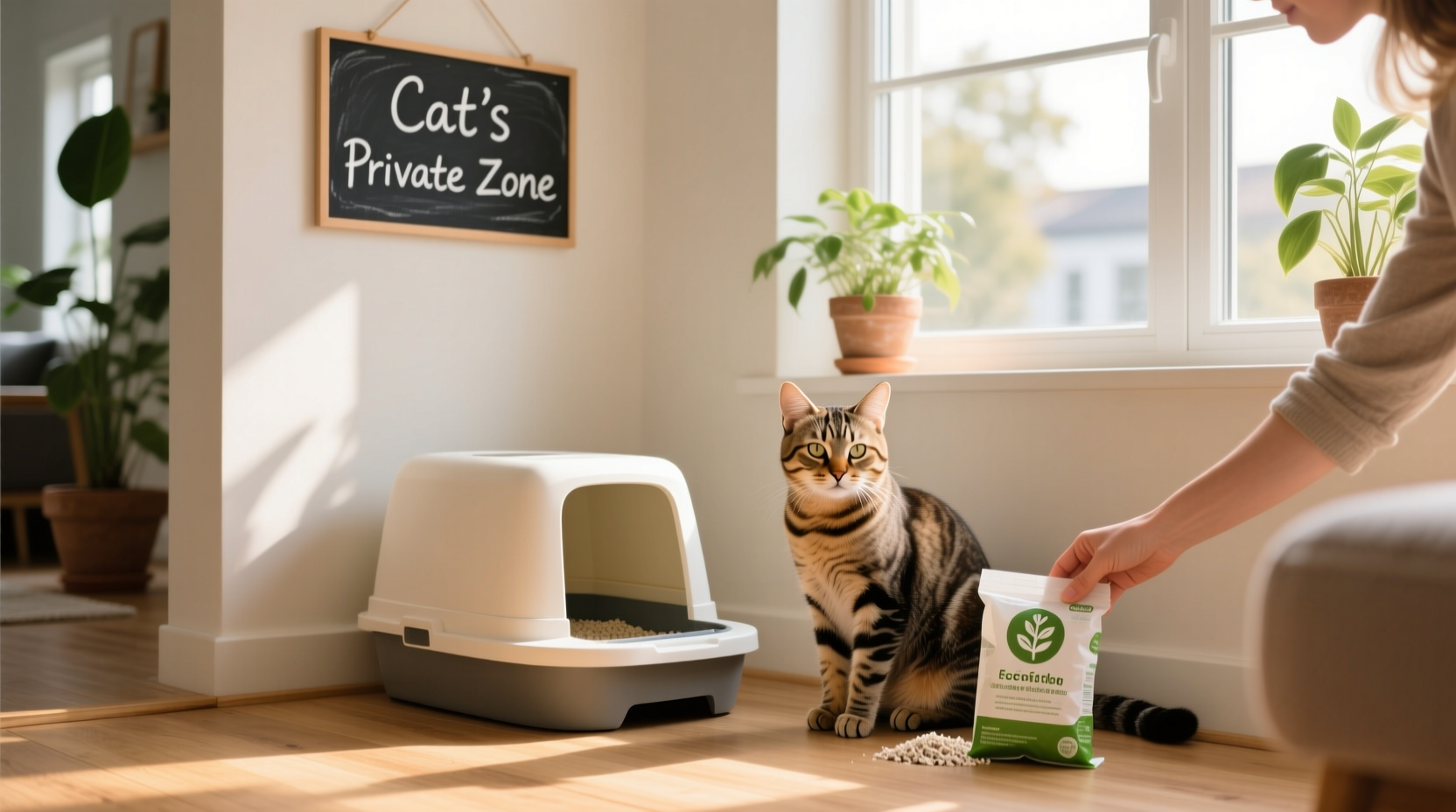
Cats don’t eliminate outside their litter box without reason. Unlike dogs, cats are naturally fastidious groomers and prefer clean spaces for bathroom use. When they start urinating on carpets, furniture, or walls, it’s usually due to one of three core issues: medical problems, litter box dissatisfaction, or stress-related behaviors.
Medical conditions such as urinary tract infections (UTIs), bladder stones, diabetes, or kidney disease can cause pain during urination, leading cats to associate the litter box with discomfort. Older cats may also develop arthritis, making it painful to climb into high-sided boxes.
Litter box issues are among the most common culprits. A dirty box, wrong litter type, poor placement, or insufficient number of boxes can all drive a cat elsewhere. Feline behaviorists often cite the “one plus one” rule: you should have at least one litter box per cat, plus one extra.
Environmental stressors—including new pets, moving homes, loud noises, or changes in routine—can trigger anxiety-driven marking. Unneutered males are especially prone to spraying, but even spayed females may mark when stressed.
“Cats communicate through scent. When they pee outside the box, they’re not being spiteful—they’re responding to physical or emotional discomfort.” — Dr. Sarah Thompson, DVM, Feline Behavior Consultant
Step-by-Step Guide to Stop Inappropriate Urination
Resolving indoor urination requires a systematic approach. Follow these steps to identify and correct the root cause:
- Visit the vet first. Rule out medical conditions with a full urinalysis and physical exam. Early detection of UTIs or kidney issues can prevent chronic problems.
- Count and assess your litter boxes. Ensure you have enough boxes (minimum N+1), placed in quiet, accessible locations away from appliances or foot traffic.
- Experiment with litter types. Some cats prefer unscented clumping clay; others favor softer paper or silica pellets. Avoid liners or hoods if your cat seems hesitant.
- Clean soiled areas thoroughly. Use enzymatic cleaners—not vinegar or ammonia—to break down odor molecules. Residual smells invite repeat incidents.
- Reduce stress triggers. Introduce calming aids like Feliway diffusers, maintain consistent routines, and provide vertical space (cat trees, shelves) for security.
- Block access to favorite spots. Use aluminum foil, double-sided tape, or motion-activated alarms to discourage repeated marking zones.
- Reinforce positive behavior. Praise and treat your cat immediately after appropriate litter use to strengthen the habit.
Do’s and Don’ts: Managing Litter Box Success
| Do’s | Don’ts |
|---|---|
| Use unscented, clumping litter unless your cat shows preference otherwise | Use heavily perfumed litters that may irritate sensitive noses |
| Place boxes in quiet, low-traffic areas with multiple exit routes | Put boxes next to noisy washers, dryers, or furnaces |
| Provide open-top boxes for cats that dislike confinement | Force use of covered boxes if your cat avoids them |
| Offer different litter textures if elimination issues persist | Switch litters abruptly—transition over 7–10 days |
| Keep boxes away from food and water stations | Place food bowls right next to the litter area |
Real-Life Example: Solving a Multi-Cat Household Crisis
The Rivera family adopted a second cat, Luna, hoping their resident cat Milo would enjoy companionship. Within weeks, Milo began urinating on the bedroom rug. They assumed he was jealous, but after a vet visit ruled out infection, a behaviorist evaluated their setup.
The issue? Only two litter boxes for two cats—and both were in the basement, a location Milo associated with noise and isolation. Luna, being more assertive, often waited near the boxes, intimidating Milo.
The solution: Three uncovered boxes were placed on separate floors—main level, upstairs hallway, and near Milo’s favorite napping spot. Unscented clumping litter was used consistently, and a Feliway diffuser was installed in the shared living area. Within ten days, the accidents stopped. Milo resumed using the litter box confidently, and tension between the cats decreased.
This case underscores how environmental design—not personality clashes—often drives elimination problems in multi-cat homes.
Essential Checklist for Cat Owners
- ✅ Schedule a veterinary check-up to rule out UTIs, diabetes, or kidney disease
- ✅ Provide one litter box per cat, plus one extra
- ✅ Scoop waste daily and change litter completely every 7–10 days
- ✅ Use enzymatic cleaner on past accident sites (never ammonia-based products)
- ✅ Place boxes in quiet, accessible areas with multiple escape routes
- ✅ Try different litter types (clay, crystal, recycled paper) if issues persist
- ✅ Neuter or spay all cats—intact males are far more likely to spray
- ✅ Minimize household stress with consistent routines and safe hiding spaces
- ✅ Consider pheromone diffusers like Feliway to reduce anxiety
- ✅ Monitor for signs of pain, straining, or frequent trips to the box
Frequently Asked Questions
Why does my cat pee on vertical surfaces?
Urinating on walls or furniture typically indicates spraying behavior, which is territorial or stress-related. Spraying involves a quivering tail, backward flicking of urine, and standing posture. It’s more common in unneutered males but can occur in any cat under stress.
Can I stop my cat from peeing in the same spot again?
Yes—by eliminating the scent trail. Clean the area with an enzymatic cleaner specifically designed for pet urine. Then, block access temporarily with furniture, foil, or motion-activated deterrents. Recondition the space by placing food bowls or toys there, since cats avoid eliminating where they eat.
Is it okay to punish my cat for peeing outside the box?
No. Punishment increases fear and stress, worsening the problem. Yelling, rubbing a cat’s nose in urine, or cage confinement damages trust and does not teach proper behavior. Focus instead on removing incentives for inappropriate elimination and rewarding correct litter use.
Conclusion: A Cleaner Home Starts with Understanding Your Cat
Stopping indoor urination isn’t about enforcing discipline—it’s about listening to your cat’s needs. Most cats want to use their litter box; when they don’t, it’s a signal that something is wrong. By addressing health concerns, optimizing litter environments, and reducing household stress, you can resolve the issue humanely and effectively.
Every cat is different. What works for one may not work for another. Patience, observation, and consistency are key. Start with a vet visit, audit your litter setup, and make gradual improvements based on your cat’s responses. Small changes today can lead to a dramatically cleaner, happier home tomorrow.
💬 Have a success story or lingering challenge? Share your experience below—your insight could help another cat owner find relief and restore harmony at home.








