Cats are naturally curious creatures, and while most of their behaviors are harmless, some—like eating cat litter—can pose serious health risks. Ingesting litter can lead to intestinal blockages, toxicity from chemical additives, or digestive upset, especially in kittens or cats with underlying health conditions. If you've noticed your feline companion sniffing, pawing at, or even consuming their litter, it's time to take action. The good news is that with the right approach, this behavior can be managed and often eliminated entirely. Understanding why cats eat litter and implementing targeted prevention strategies is key to keeping them safe and thriving.
Why Do Cats Eat Litter?
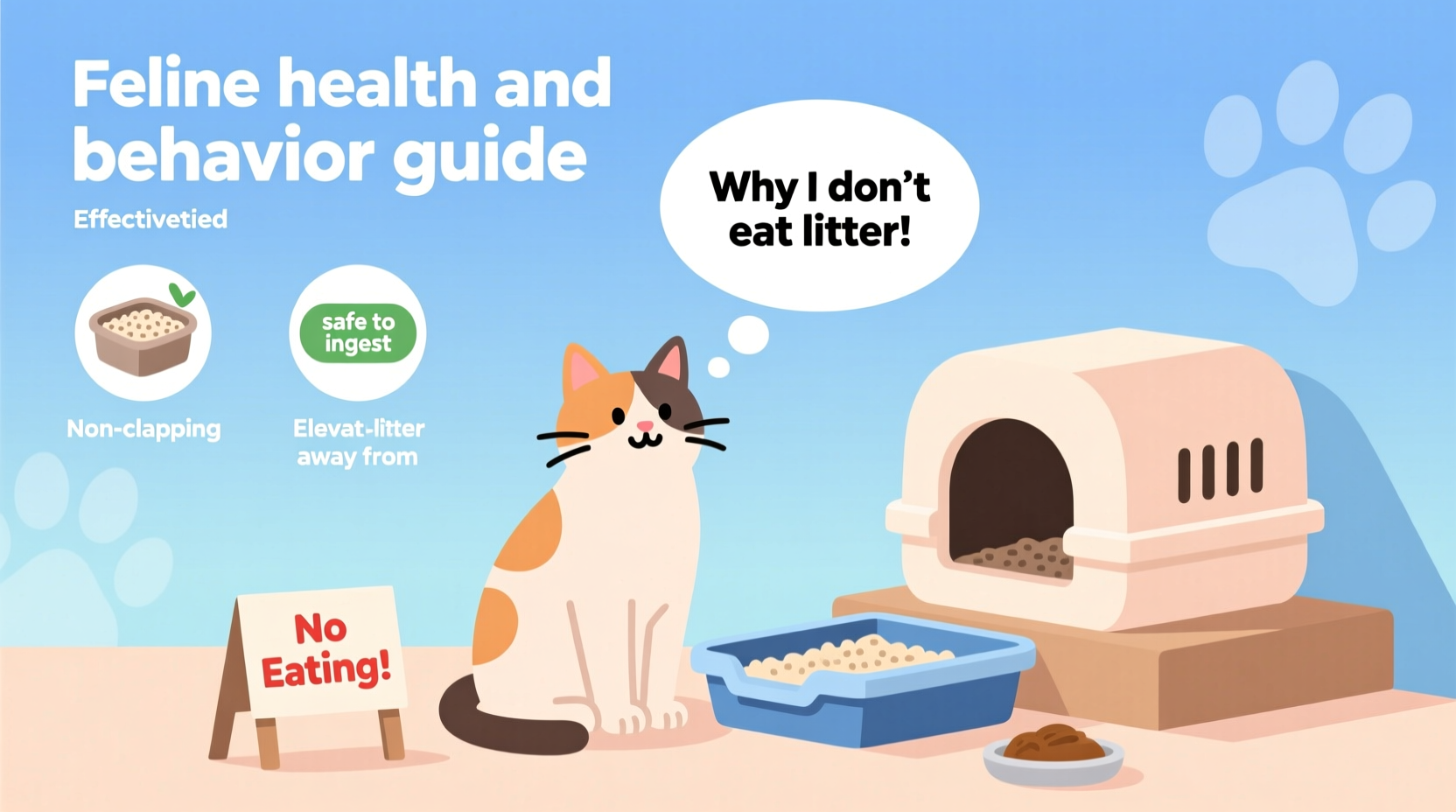
Cats don’t typically eat litter for no reason. This unusual behavior often stems from a combination of instinctual drives, medical issues, or environmental stressors. Kittens may explore their world orally, mimicking nursing or grooming behaviors, which can include tasting non-food items like litter. Adult cats might exhibit this habit due to nutritional deficiencies, such as anemia from low iron levels, prompting pica—a condition where animals consume non-nutritive substances.
Stress and boredom can also play a role. A cat in a high-anxiety environment—such as one with loud noises, new pets, or insufficient stimulation—may resort to compulsive behaviors like chewing or ingesting litter. Additionally, some litters contain scents or textures that appeal to cats, making them more likely to investigate or taste them. Clumping clay litters, in particular, can form solid masses when wet, resembling food in texture, which may confuse younger or less experienced cats.
Tip: Monitor your cat closely after introducing a new litter type—sudden changes in behavior may signal discomfort or attraction to the product.Choosing Safer Litter Options
The type of litter you use plays a critical role in whether your cat is tempted to eat it. Many conventional litters contain synthetic fragrances, silica dust, or clumping agents that not only pose respiratory risks but may also entice curious cats due to their smell or texture. Switching to a safer, non-toxic alternative can significantly reduce the risk of ingestion and its associated complications.
| Litter Type | Safety Level | Risk of Ingestion | Best For |
|---|---|---|---|
| Clay (clumping) | Low | High | Experienced adult cats with no pica |
| Silica gel crystals | Moderate | Moderate | Low-dust needs; not ideal for kittens |
| Paper-based | High | Low | Kittens, seniors, sensitive systems |
| Wood pellets | High | Low | Eco-conscious owners; natural scent |
| Wheat or corn-based | High | Moderate | Biodegradable preference; avoid if allergic |
Experts recommend starting with paper-based or wood pellet litters for households with kittens or cats prone to oral exploration. These materials are digestible in small amounts and lack artificial additives. Avoid heavily scented or colored litters, as these increase sensory appeal and potential toxicity.
“Switching to a non-clumping, plant-based litter can reduce both the temptation and danger if a cat does ingest it.” — Dr. Lena Torres, DVM, Feline Behavior Specialist
Step-by-Step Guide to Prevent Litter Consumption
Addressing litter-eating behavior requires a systematic approach. Follow these steps to identify causes and implement effective solutions:
- Observe and Document Behavior: Note when, where, and how often your cat interacts with the litter. Is it during elimination, play, or alone time? Video monitoring can help spot patterns.
- Schedule a Veterinary Check-Up: Rule out medical causes like anemia, parasites, or gastrointestinal disorders through blood work and fecal exams.
- Switch Litter Gradually: Replace current litter with a safer option over 7–10 days by mixing increasing amounts of the new litter with the old.
- Modify the Litter Box Environment: Use covered boxes with side exits to limit access, or place the box in a quiet area away from food and water to discourage grazing-like behavior.
- Increase Environmental Enrichment: Provide puzzle feeders, climbing shelves, and daily interactive play to reduce boredom and redirect focus.
- Use Deterrents (if needed): Lightly sprinkle pet-safe bitter spray on the litter surface—though test first to ensure it doesn’t deter box use.
- Monitor Progress: Track incidents weekly. If behavior persists beyond three weeks, consult a veterinary behaviorist.
Real-Life Example: Bella’s Recovery from Pica
Bella, a 10-month-old Siamese mix, was brought to a veterinary clinic after her owner noticed her frequently licking and swallowing clumps of clay litter. She had begun vomiting intermittently and showed signs of lethargy. Blood tests revealed mild iron-deficiency anemia. After switching her to a balanced kitten diet rich in iron and transitioning to a paper-based litter, Bella’s litter-eating behavior decreased within two weeks. Her owner also introduced daily play sessions with feather wands and food-dispensing toys, which redirected her attention from the litter box. Within a month, the behavior stopped completely, and follow-up bloodwork showed improved hemoglobin levels.
This case illustrates how a combination of medical evaluation, dietary correction, and environmental enrichment can resolve litter consumption effectively.
Checklist: Preventing Litter Ingestion
- ✅ Schedule a vet visit to rule out anemia or parasites
- ✅ Transition to a non-toxic, digestible litter (paper, wood, or recycled fiber)
- ✅ Keep litter boxes clean and scooped at least twice daily
- ✅ Separate feeding and litter areas to avoid confusion
- ✅ Offer mental stimulation with toys, scratching posts, and climbing structures
- ✅ Supervise kittens during litter box use if ingestion is observed
- ✅ Consider using a covered or top-entry litter box to limit access
- ✅ Monitor for recurrence even after behavior seems resolved
Frequently Asked Questions
Is it dangerous if my cat eats a small amount of litter?
Occasional ingestion of a small amount of non-clumping, natural litter is usually not harmful. However, clumping litters can expand in the stomach and cause blockages. Even small, repeated intakes may lead to chronic digestive issues or toxicity over time.
Can stress really make a cat eat litter?
Yes. Stress can trigger compulsive behaviors in cats, including pica. Changes in household dynamics, moving, or lack of stimulation can all contribute. Addressing the root cause of anxiety—through routine, safe spaces, and enrichment—is essential.
How long does it take to stop a cat from eating litter?
With consistent intervention, most cats show improvement within 2–4 weeks. However, full resolution may take longer, especially if medical or behavioral issues are involved. Patience and persistence are crucial.
Final Steps Toward a Healthier Cat
Preventing your cat from eating litter isn't just about changing a habit—it's about safeguarding their long-term well-being. By understanding the underlying reasons, choosing safer litter alternatives, and enriching your cat’s environment, you create a home where curiosity doesn’t come at the cost of health. Early intervention makes a significant difference, so don’t wait if you notice this behavior. Small changes today can prevent emergency vet visits tomorrow.
💬 Have experience with a cat that ate litter? Share your story or tips in the comments—your insight could help another pet owner avoid a dangerous situation.








