Grooming is an essential part of responsible pet ownership, but for many dog owners and groomers, it comes with a significant challenge: aggression or biting. Dogs may bite during grooming due to fear, discomfort, or lack of socialization. These behaviors not only jeopardize the safety of the groomer but can also increase the dog’s anxiety over time. Addressing this issue requires more than just restraint—it demands understanding, patience, and proactive training. By implementing proven strategies, you can transform grooming from a tense ordeal into a calm, cooperative experience.
Understanding Why Dogs Bite During Grooming
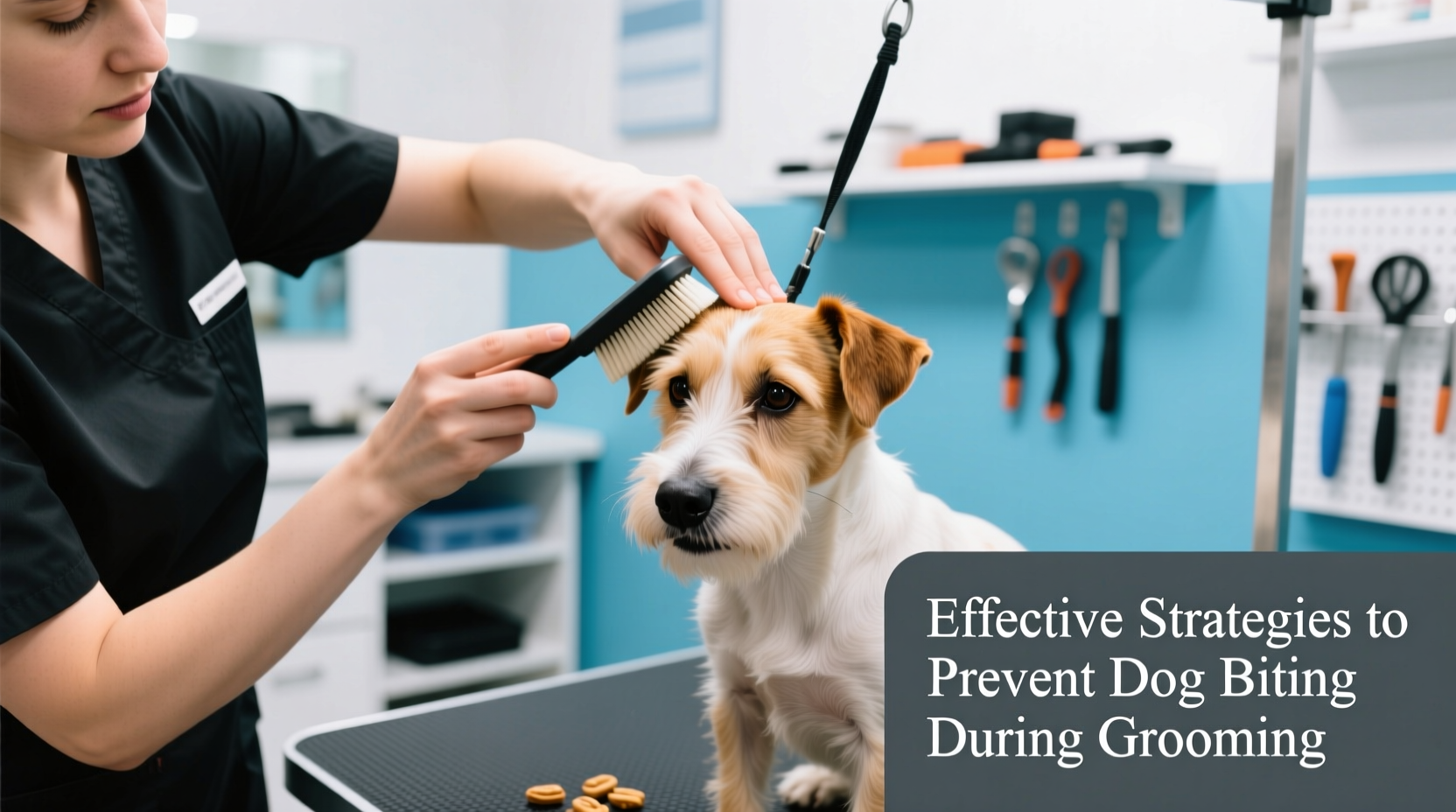
Dogs don’t bite out of malice—they react based on instinct and emotion. During grooming, common triggers include unfamiliar handling, sensitivity in certain body areas (like paws or ears), loud noises from clippers, or past negative experiences. A dog that feels trapped or unable to escape may resort to snapping or biting as a last-ditch effort to communicate distress.
Recognizing early signs of discomfort is crucial. These include:
- Stiffening of the body
- Averted gaze or whale eye (showing the whites of the eyes)
- Lip licking or yawning when not tired
- Growling or low whining
- Tucking the tail or flattening ears
Ignoring these signals often escalates tension. As Dr. Karen Overall, a renowned veterinary behaviorist, explains:
“Aggression in dogs is rarely about dominance. It’s usually about fear, pain, or poor communication. When we listen to what the dog is telling us through body language, we can intervene before biting occurs.” — Dr. Karen Overall, DACVB
Step-by-Step Desensitization and Counterconditioning Plan
One of the most effective long-term solutions is desensitization paired with counterconditioning (DS/CC). This method gradually exposes the dog to grooming stimuli while pairing each step with positive reinforcement—typically high-value treats or praise.
Follow this timeline over several weeks:
- Week 1–2: Introduce Tools Calmly
Let your dog sniff clippers, brushes, and nail trimmers while offering treats. Do not turn on devices yet. Repeat daily for 5 minutes. - Week 3: Simulate Handling
Gently touch paws, ears, and tail while giving treats. If the dog pulls away, stop and try again later at a less intense level. - Week 4: Introduce Noise Gradually
Turn on clippers in another room, then closer, always pairing the sound with treats. Never force proximity. - Week 5: Touch with Tools Off
Run a brush or clipper (off) over the coat. Reward calm behavior. Avoid sensitive areas initially. - Week 6+: Short Practice Sessions
Attempt brief grooming tasks (e.g., brushing one section). Stop after 30 seconds if the dog remains calm; reward generously.
The goal is not speed, but trust-building. Rushing the process risks reinforcing fear and setting back progress.
Tip: Use pea-sized pieces of boiled chicken or cheese during training—high-value rewards create stronger positive associations.Essential Grooming Environment Adjustments
The environment plays a critical role in a dog’s emotional state. A chaotic, noisy salon or an unstable table can heighten anxiety. Consider these adjustments:
| Factor | Do | Avoid |
|---|---|---|
| Noise Level | Use quiet clippers; play calming music | Loud dryers, barking dogs nearby |
| Surface Stability | Non-slip mat on a secure table | Wobbly surfaces or bare metal tables |
| Restraints | Soft loops or gentle holders | Excessive tightening or muzzles (unless medically necessary) |
| Lighting | Natural or soft white light | Bright fluorescent lights |
| Scent | Mild, unscented products | Strong perfumes or chemical cleaners |
Even small changes—like warming the room slightly or allowing the dog to take short breaks—can reduce stress levels significantly.
Real-Life Example: Transforming a Fearful Terrier
Max, a 3-year-old Jack Russell Terrier, had bitten three groomers within eight months. His owner brought him to a certified canine behaviorist who implemented a DS/CC plan. Initially, Max growled when approached with a brush. The trainer started by simply placing the brush near his bed with treats around it. Over two weeks, Max began approaching the brush voluntarily. Next, the trainer touched his back lightly with the brush while feeding chicken bits. After five weeks of consistent 5-minute sessions, Max tolerated full brushing and even remained calm during nail trims. Today, he visits the groomer every eight weeks without incident.
This case illustrates that even dogs with strong aversions can learn to accept grooming—when the process respects their emotional limits.
Checklist: Pre-Grooming Preparation for Safety and Success
Before any grooming session, ensure you’re fully prepared. Use this checklist to minimize risk:
- ✅ Assess the dog’s mood: Is he relaxed, alert, or showing signs of stress?
- ✅ Warm up with light petting and verbal praise
- ✅ Have high-value treats ready and easily accessible
- ✅ Test equipment noise away from the dog first
- ✅ Ensure restraints are secure but not tight
- ✅ Schedule grooming after exercise to reduce excess energy
- ✅ Limit session length—start with 10 minutes and build up
- ✅ Keep a record of what steps triggered reactions for future reference
Frequently Asked Questions
Can I use a muzzle to prevent biting during grooming?
Yes, but only as a temporary safety measure—not a substitute for training. Basket muzzles allow panting and treat delivery and are preferable to fabric ones. Always pair muzzle use with positive conditioning so the dog doesn’t associate it with fear.
My dog only bites when his nails are trimmed. What should I do?
Nail trimming is a common trigger because feet are highly sensitive. Begin by touching the paws daily with treats. Then, press each toe as if clipping, rewarding after each touch. Use a grinder instead of clippers for a gentler approach, and consider professional help if bleeding or quick-cutting has occurred in the past.
How do I know if my dog is in pain during grooming?
Pain-related aggression often appears suddenly in previously cooperative dogs. Signs include flinching at touch, yelping, or guarding a specific area. Consult a veterinarian to rule out arthritis, skin infections, or injuries before assuming behavioral causes.
Conclusion: Building Trust One Brush Stroke at a Time
Preventing dog biting during grooming isn’t about control—it’s about collaboration. By recognizing canine body language, adjusting the environment, and investing time in gradual training, you create a foundation of trust that benefits both dog and handler. Whether you're a pet owner or a professional groomer, your patience today leads to safer, smoother sessions tomorrow. Start small, stay consistent, and celebrate every calm moment. Your dog is counting on you to make grooming a positive part of life.
💬 Have a grooming success story or challenge? Share your experience below and help others build safer, more compassionate care routines for their dogs.








