Cat urine issues are one of the most common yet distressing challenges faced by cat owners. Whether your feline is suddenly avoiding the litter box or marking territory indoors, inappropriate urination can damage relationships, harm household items, and signal deeper health or behavioral concerns. The good news is that with the right understanding and consistent intervention, most cases can be resolved. This guide provides actionable, science-backed strategies to identify causes, correct behaviors, and create a stress-free environment where your cat chooses the litter box—every time.
Understanding Why Cats Urinate Outside the Litter Box
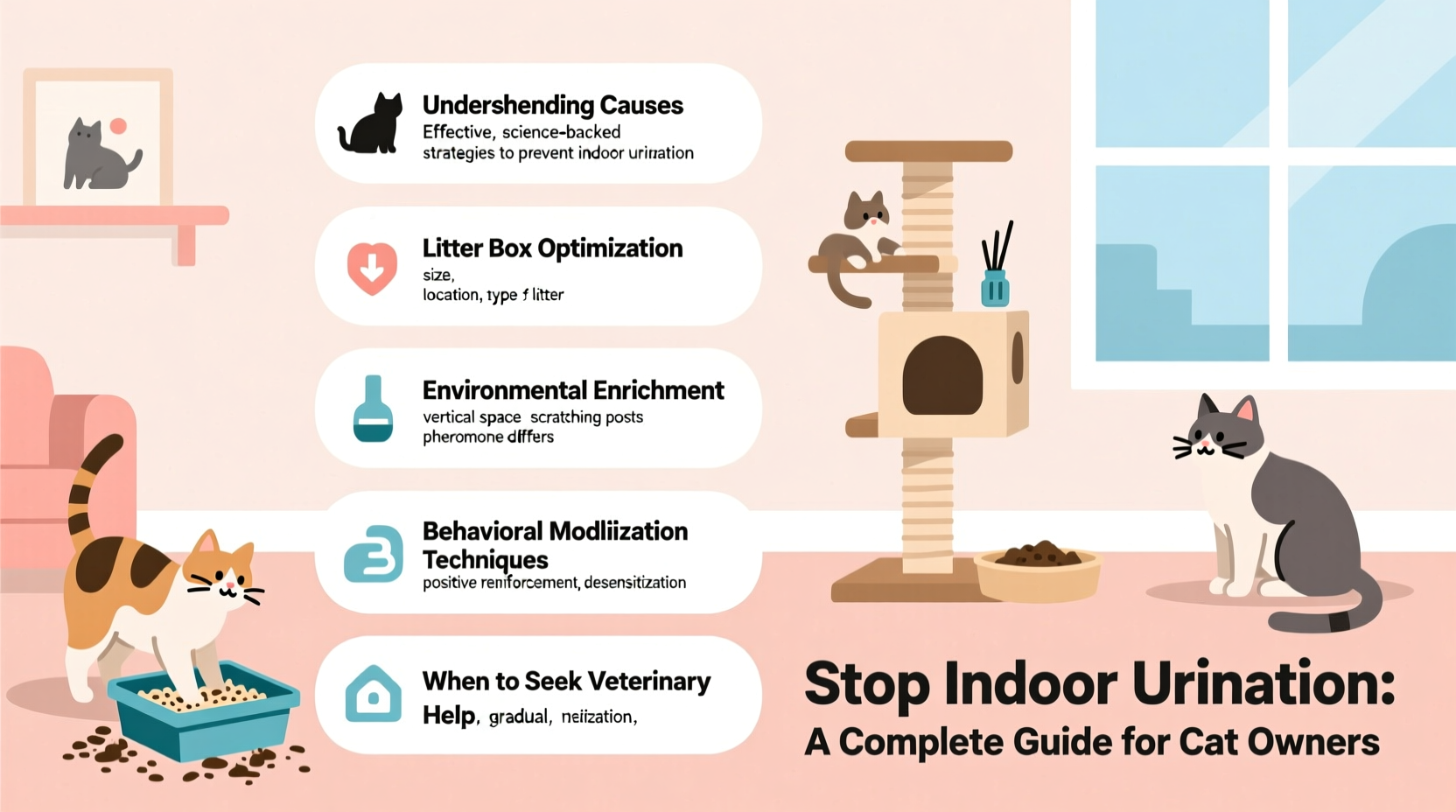
Inappropriate urination isn't typically about spite or poor training. It's usually a response to physical discomfort, environmental stress, or communication. Cats may urinate outside the box due to:
- Medical conditions – Urinary tract infections, kidney disease, diabetes, or arthritis can make it painful or difficult to reach the litter box.
- Litter box aversion – Dirty boxes, wrong litter type, or inconvenient placement deter even well-trained cats.
- Stress or anxiety – Changes in routine, new pets, moving homes, or conflicts with other cats can trigger territorial marking.
- Behavioral marking – Unneutered males (and sometimes females) may spray to mark territory, especially if they see outdoor cats through windows.
- Preference for surfaces or locations – Some cats develop a preference for carpets, cool tiles, or potted plants based on texture or scent memory.
“Over 60% of cats with inappropriate elimination have an underlying medical issue. Always rule out health problems first.” — Dr. Sarah Thompson, DVM, Feline Behavior SpecialistTip: Never punish a cat for urinating indoors. This increases fear and worsens the problem. Focus on redirection and prevention instead.
Step-by-Step Guide to Stop Indoor Urination
Resolving inappropriate urination requires a systematic approach. Follow these steps in order for the best results:
- Visit the veterinarian – Rule out urinary tract infections, bladder stones, or chronic diseases with a full exam and urine analysis.
- Identify the behavior type – Is it full elimination (squatting) or spraying (back to wall, tail flicking)? Spraying suggests stress or marking; squatting often points to litter box issues.
- Thoroughly clean soiled areas – Use enzymatic cleaners specifically designed for pet urine. Avoid ammonia-based products, which mimic urine scent and attract repeat incidents.
- Modify the environment – Block access to previously soiled spots with furniture, aluminum foil, or motion-activated deterrents.
- Optimize litter box setup – Follow the “n+1” rule: if you have n cats, provide n+1 litter boxes. Place them in quiet, accessible locations away from food and appliances.
- Monitor progress and adjust – Track accidents, litter usage, and interactions with other pets. Adjust litter type, box style, or location as needed.
Litter Box Best Practices: Do’s and Don’ts
The litter box is the cornerstone of feline bathroom behavior. Even minor flaws in setup can lead to avoidance. Use this table to audit your current system:
| Do’s | Don’ts |
|---|---|
| Use unscented, clumping litter (most cats prefer it) | Use heavily perfumed or dusty litters |
| Scoop daily and change litter weekly | Leave waste in the box for more than 24 hours |
| Provide at least one box per floor in multi-level homes | Place all boxes in the same room or basement |
| Choose large, open-top boxes (especially for older cats) | Use covered boxes that trap odors and limit escape routes |
| Keep boxes away from loud appliances (washer, dryer) | Place boxes next to noisy or high-traffic areas |
Managing Stress and Multi-Cat Household Conflicts
Stress is a major contributor to indoor urination, especially in homes with multiple cats. Cats are territorial by nature, and subtle social tensions can manifest as inappropriate elimination.
To reduce stress:
- Create separate zones for each cat with their own food bowls, water stations, resting spots, and litter boxes.
- Use pheromone diffusers like Feliway Classic or Feliway Multicat to calm anxious environments.
- Introduce changes gradually—new pets, furniture, or routines should be phased in over days or weeks.
- Provide vertical space (cat trees, shelves) to allow shy cats to retreat and assert dominance safely.
Avoid forcing interactions between cats. Instead, reward calm behavior near each other with treats and praise. In persistent cases, consult a certified feline behaviorist.
Real Example: Resolving Territorial Marking in a Two-Cat Home
Mark and Lisa noticed their neutered male cat, Oliver, began spraying near the living room window after a stray cat started visiting their yard. Despite cleaning and using deterrents, the behavior continued. They installed blackout curtains to block the view and added a Feliway Multicat diffuser. They also created a second litter zone upstairs, away from the original box. Within three weeks, the spraying stopped. The key was addressing both the visual trigger and the perceived territorial threat, while reinforcing security indoors.
Checklist: Immediate Actions to Prevent House Soiling
Use this checklist to quickly address and prevent further incidents:
- ✅ Schedule a vet visit to rule out medical causes
- ✅ Clean all urine spots with enzymatic cleaner
- ✅ Count and assess your litter boxes (number, location, cleanliness)
- ✅ Switch to unscented, clumping litter if not already using it
- ✅ Remove access to favorite urination spots (use barriers or repellents)
- ✅ Install pheromone diffusers in high-stress areas
- ✅ Observe your cat’s interactions with people and pets for signs of anxiety
- ✅ Record accident locations and times to identify patterns
Frequently Asked Questions
Why is my cat peeing on my bed but using the litter box elsewhere?
This behavior often stems from strong emotional associations. Your bed carries your scent, making it a target for marking during stress or insecurity. It may also indicate a desire for attention or a medical issue causing urgency. Address underlying stress and restrict bedroom access until the behavior resolves.
Can neutering stop my cat from spraying indoors?
Yes, neutering significantly reduces or eliminates spraying in up to 90% of male cats, especially if done before sexual maturity. However, some neutered cats still spray due to stress or environmental triggers, so behavioral management remains important.
How long does it take to fix inappropriate urination?
With consistent effort, many cases improve within 2–6 weeks. Chronic or multi-cat situations may take longer. Patience and persistence are essential. Relapses can occur during stressful events, so ongoing environmental management is key.
Take Control and Restore Harmony
Preventing your cat from urinating in the house isn’t about punishment—it’s about empathy, observation, and proactive care. By combining veterinary insight, proper litter management, and a stress-reduced environment, you can resolve the issue and strengthen your bond with your cat. Start today by evaluating your litter setup, scheduling a vet check-up, and making one small environmental improvement. Small steps lead to lasting change.
💬 Have a success story or a challenge with your cat’s litter habits? Share your experience in the comments—your insight could help another cat owner find relief.








