Cat owners often face the frustrating and unsanitary issue of their feline companions eliminating outside the litter box. While it’s easy to assume this behavior stems from defiance or laziness, the reality is far more complex. Cats are creatures of habit, and inappropriate elimination is typically a symptom of underlying physical, environmental, or behavioral issues. Addressing the root cause—rather than simply cleaning up messes—is essential for long-term success. This guide outlines actionable, expert-approved strategies to restore proper litter box use and maintain a harmonious household.
Understanding Why Cats Avoid the Litter Box
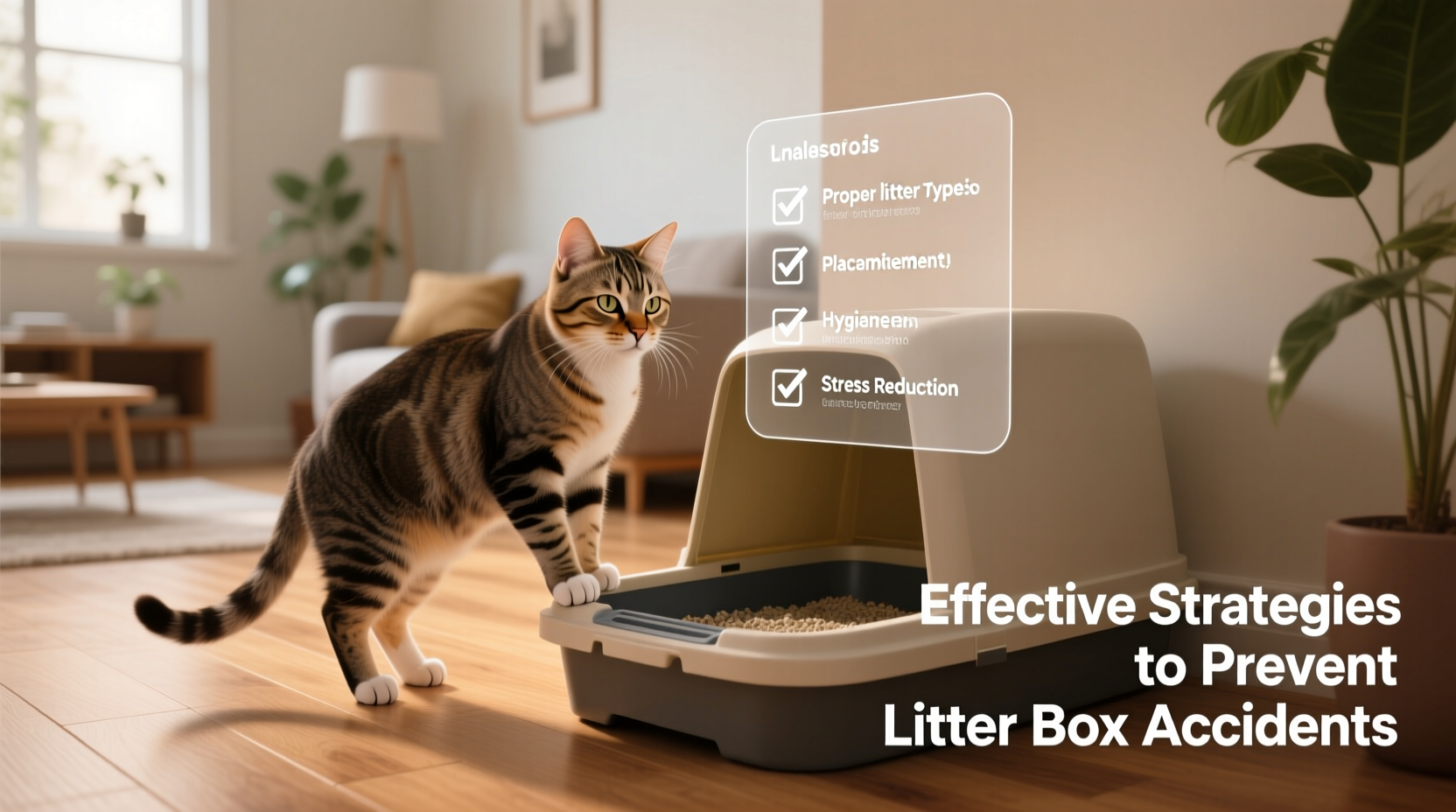
Cats don’t suddenly decide to poop on your rug without reason. The behavior usually signals discomfort, stress, or dissatisfaction with their bathroom setup. Common causes include:
- Medical problems: Urinary tract infections, constipation, arthritis, or gastrointestinal issues can make using the litter box painful.
- Litter box aversion: A dirty box, unpleasant litter texture, or strong scents may deter use.
- Location issues: Boxes placed in noisy, high-traffic, or hard-to-reach areas discourage use.
- Stress or anxiety: Changes in routine, new pets, or household conflicts can trigger territorial marking.
- Box design: Covered boxes may trap odors; small boxes may not accommodate larger cats comfortably.
Before implementing behavioral changes, rule out medical concerns by consulting a veterinarian. A simple urine test or physical exam can identify hidden health problems.
Tip: If your cat suddenly starts avoiding the litter box, schedule a vet visit immediately—this could be an early sign of illness.Step-by-Step Guide to Restoring Proper Litter Box Use
Correcting inappropriate elimination requires patience and consistency. Follow this five-step approach to address both immediate and long-term factors.
- Rule out medical issues. Schedule a veterinary check-up to eliminate pain or disease as contributing factors.
- Assess litter box hygiene. Scoop daily and perform a full litter change weekly. Wash the box monthly with mild soap and water—avoid ammonia-based cleaners.
- Optimize location. Place boxes in quiet, accessible areas away from loud appliances or foot traffic. One box per floor is ideal.
- Match litter preferences. Most cats prefer unscented, clumping, fine-grained litter. Introduce new types gradually if needed.
- Increase box availability. Follow the “n+1” rule: one box per cat, plus one extra. This reduces competition and stress in multi-cat homes.
Consistency is key. Sudden changes in litter type, box style, or placement can reset progress. Monitor your cat’s habits closely during adjustments.
Environmental and Behavioral Adjustments
A cat’s environment plays a crucial role in its elimination habits. Stress reduction is just as important as litter box maintenance.
Common stressors include:
- New family members or pets
- Home renovations or furniture rearrangement
- Loud noises (vacuuming, construction)
- Conflict with other cats in the household
To minimize stress:
- Provide vertical space (cat trees, shelves) for retreat and observation.
- Use pheromone diffusers like Feliway to create a calming atmosphere.
- Maintain predictable routines for feeding, play, and interaction.
- Separate resources (food, water, sleeping areas) to reduce competition.
“Cats are highly sensitive to environmental changes. Even minor disruptions can lead to litter box avoidance.” — Dr. Sarah Bennett, DVM, Feline Behavior Specialist
Checklist: Quick Actions to Prevent Inappropriate Elimination
Use this checklist to evaluate and improve your current setup:
- ✅ Scoop litter boxes at least once daily
- ✅ Provide one litter box per cat, plus one extra
- ✅ Place boxes in quiet, low-traffic areas
- ✅ Use unscented, clumping litter unless your cat prefers otherwise
- ✅ Clean soiled areas with enzyme-based cleaners (not ammonia)
- ✅ Rule out medical issues with a vet visit
- ✅ Avoid covered boxes if your cat seems hesitant
- ✅ Introduce changes gradually—don’t switch litter or location abruptly
Do’s and Don’ts: Litter Box Management Table
| Do’s | Don’ts |
|---|---|
| Use large, uncovered boxes for bigger cats | Place boxes next to noisy appliances like washers |
| Keep multiple boxes in multi-level homes | Use scented litter or liners that alter texture |
| Clean accidents with enzymatic cleaner | Yell at or punish your cat for accidents |
| Offer different litter types during transitions | Move the box frequently without reason |
| Monitor for signs of pain or straining | Ignore sudden changes in elimination behavior |
Real Example: Resolving Multi-Cat Litter Box Conflict
Sarah, a cat owner in Portland, noticed her two cats—one shy and one dominant—were both pooping behind the couch. After ruling out medical issues, she realized the single litter box was located near the food bowl, a high-traffic zone dominated by the bolder cat. The timid cat avoided it entirely.
She implemented the n+1 rule, placing three boxes in separate, quiet locations: one upstairs, one downstairs, and one in a spare bedroom. She switched to unscented clumping litter and began scooping twice daily. Within two weeks, both cats returned to consistent litter box use. The addition of a Feliway diffuser further reduced tension between them.
This case illustrates how social dynamics and inadequate resources can drive inappropriate elimination—even in seemingly peaceful households.
Frequently Asked Questions
Why does my cat poop next to the litter box instead of inside?
This often indicates the box is too dirty, the litter is unpleasant, or the cat has difficulty climbing in. Try a shallower box with lower sides, clean it more frequently, or experiment with different litter types.
Can stress really cause a cat to stop using the litter box?
Absolutely. Cats are highly sensitive to changes in their environment. Moving, new pets, or even rearranged furniture can trigger anxiety-related elimination. Providing safe spaces and using calming aids like pheromone diffusers can help.
How long does it take to retrain a cat to use the litter box?
With consistent effort, most cats respond within two to four weeks. However, if the behavior persists beyond a month despite interventions, consult a veterinarian or certified feline behaviorist.
Conclusion: Take Action Today for a Cleaner, Happier Home
Preventing cats from pooping outside the litter box isn’t about punishment—it’s about understanding and empathy. By addressing medical needs, optimizing the litter environment, reducing stress, and applying consistent routines, you can resolve the issue effectively and humanely. Remember, every cat is an individual; what works for one may not work for another. Observe your pet closely, remain patient, and adjust your approach as needed.
💬 Have a tip that worked for your cat? Share your experience in the comments—your insight could help another frustrated pet owner find relief.








