
Indoor plants bring life, color, and improved air quality into homes. But when your cat treats them like a personal litter box, the joy quickly fades. This behavior isn’t just frustrating—it can damage your plants, create hygiene issues, and lead to tension between pet and owner. The good news: with understanding and consistent action, you can redirect your cat’s instincts without resorting to punishment or stress. By addressing both environmental cues and behavioral needs, you can protect your greenery and maintain harmony in your home.
Understanding Why Cats Target Indoor Plants
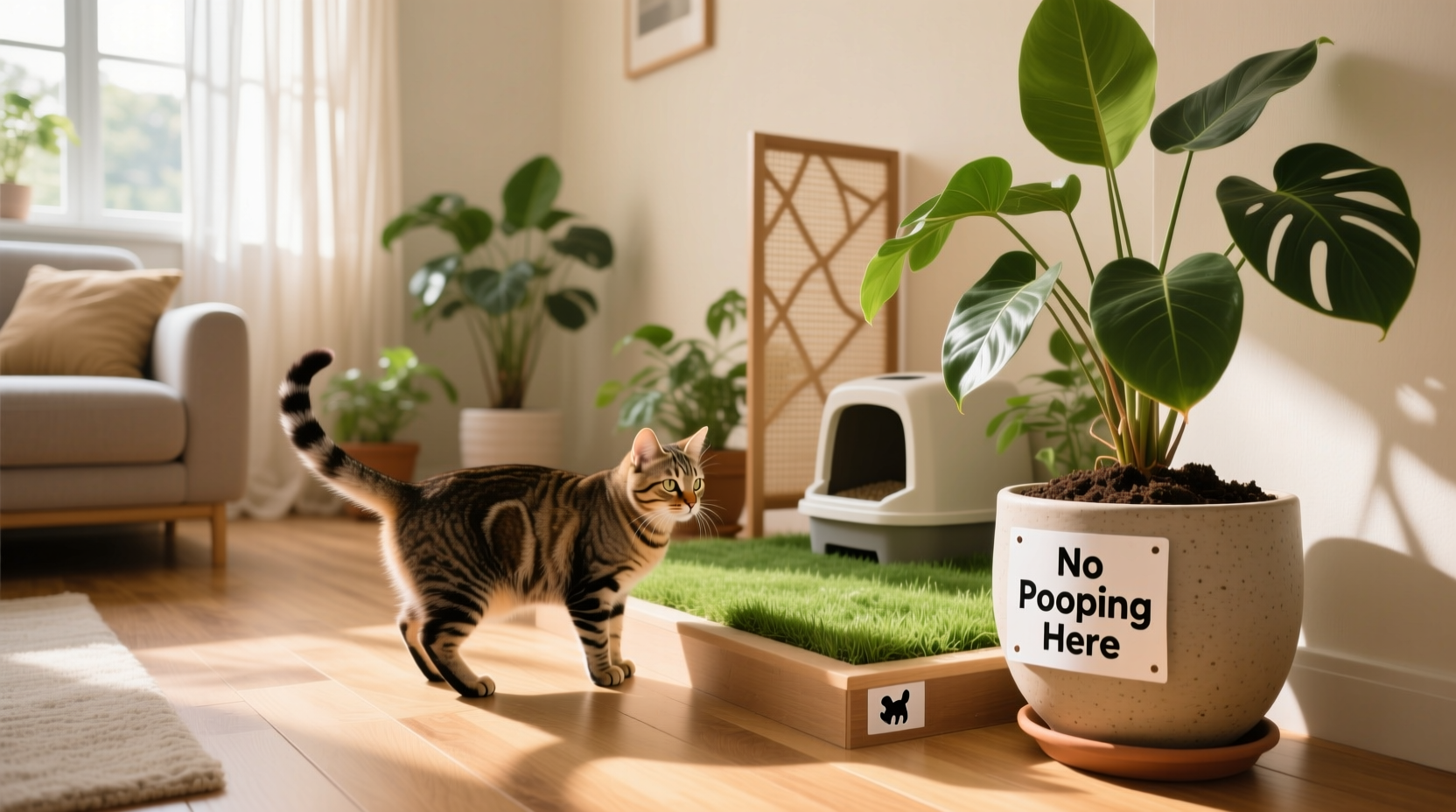
Cats don’t choose houseplants out of malice. Their behavior is driven by instinct, comfort, and environmental factors. Soil in potted plants closely resembles the texture and consistency of traditional litter—loose, soft, and easy to dig into. Many cats find it satisfying to scratch and bury their waste, just as they would in sand outdoors.
In addition, if a cat has had a negative experience with their litter box—such as infrequent cleaning, poor placement near loud appliances, or competition from other pets—they may seek alternatives. A plant in a quiet corner might seem like a peaceful, private spot. Stress, changes in routine, or even curiosity about new scents in the soil (like fertilizers) can also contribute.
“Cats are creatures of habit. When their preferred elimination area becomes unreliable or unpleasant, they’ll naturally look for substitutes.” — Dr. Lena Torres, Feline Behavior Specialist
Proven Strategies to Deter Cats Humanely
The key to success lies in making the plants unattractive while reinforcing better alternatives. Use a combination of physical barriers, sensory deterrents, and positive reinforcement to guide your cat toward appropriate behavior.
1. Create Physical Barriers
Blocking access is one of the most immediate and effective steps. Cats prefer open, easy-to-dig spaces. Disrupting that accessibility often stops the behavior before it starts.
- Place decorative pebbles or large river stones on top of the soil to deter digging.
- Use mesh trays or plastic carpet runners (spike-side up) over the pot surface.
- Install small wire cages or plant cloches around vulnerable pots.
- Elevate plants onto high shelves or hanging planters beyond your cat’s reach.
2. Use Natural Sensory Deterrents
Cats have strong scent preferences. Certain smells are harmless but unappealing to them. These can be applied around, not on, the plants to preserve foliage health.
| Scent | Application Method | Effectiveness |
|---|---|---|
| Citrus (lemon, orange peel) | Peels placed around rim or diluted spray | High – most cats avoid citrus |
| Mint or eucalyptus oil | Cotton ball nearby (never directly on soil) | Moderate – test for plant sensitivity |
| Coffee grounds | Thin layer on soil surface | Medium – deters cats and enriches soil |
| Vinegar solution (1:1 water/vinegar) | Light spray on surrounding floor | Good – use away from plant leaves |
Avoid essential oils directly in soil or on leaves, as some are toxic to cats and can harm plants.
Step-by-Step Guide to Long-Term Prevention
Quick fixes work short-term, but lasting change requires a structured approach. Follow this timeline to retrain your cat’s habits over two to four weeks.
- Week 1: Assess and Isolate – Identify which plants are targeted. Move them temporarily out of reach or cover them completely. Clean soiled areas with enzymatic cleaners to remove odor cues.
- Week 2: Introduce Barriers and Deterrents – Reintroduce plants with protective measures in place. Place citrus peels or aluminum foil on soil. Position cotton balls with safe scents nearby.
- Week 3: Reinforce Litter Box Appeal – Ensure the litter box is clean, quiet, and accessible. Add a second box if you have multiple cats. Try different litters to match the texture cats seem to prefer.
- Week 4: Monitor and Reward – Praise or treat your cat when they use the litter box. Gradually reduce deterrents if no incidents occur, but keep some protection in place long-term.
Common Mistakes That Encourage the Behavior
Some well-intentioned actions can actually reinforce unwanted habits. Avoid these pitfalls:
- Punishing the cat after the fact – Cats don’t connect delayed punishment with past actions and may become anxious or secretive.
- Using strong chemical sprays – Harsh odors may stress your cat or damage plants; opt for natural options instead.
- Neglecting litter box maintenance – A dirty box is the top reason cats seek alternatives.
- Ignoring multi-cat dynamics – In households with more than one cat, dominant individuals may guard the litter box, forcing others to find alternatives.
Mini Case Study: Reviving a Jungle Without Cat Interruptions
Sophie, a plant enthusiast in Portland, struggled with her tabby, Milo, who consistently used her fiddle-leaf fig and monstera as litter zones. After trying sprays and yelling—which only made Milo sneakier—she consulted a behaviorist. She began by moving the plants to a sunroom with a mesh screen over each pot. She cleaned affected areas with enzymatic solution and added a second litter box on the same floor. Within ten days, Milo stopped visiting the plants. Sophie gradually reintroduced her favorites using top layers of pebbles and lemon-scented cotton balls nearby. Six months later, her jungle thrives—and so does Milo’s litter box routine.
Checklist: How to Cat-Proof Your Indoor Garden
Follow this actionable checklist to safeguard your plants and support your cat’s wellbeing:
- ✅ Clean any soiled plant areas with an enzymatic cleaner
- ✅ Inspect and improve litter box cleanliness and location
- ✅ Add physical barriers (stones, foil, mesh) to plant pots
- ✅ Use cat-safe deterrent scents (citrus, vinegar, coffee grounds)
- ✅ Elevate or relocate frequently targeted plants
- ✅ Provide enrichment (toys, scratching posts) to reduce boredom
- ✅ Monitor behavior and reward correct litter use
- ✅ Consider a plant-safe indoor grass patch for cats to dig in
Frequently Asked Questions
Will my cat eventually stop on its own?
Unlikely. Once a cat identifies a spot as an acceptable bathroom, the behavior tends to persist unless actively redirected. Early intervention increases success rates.
Are there plants that cats naturally avoid?
Yes. Many cats dislike the smell or texture of rosemary, lavender, and lemon thyme. However, never rely solely on plant selection—some cats will ignore scent deterrents if the soil texture appeals to them.
Can I train an older cat to stop this behavior?
Absolutely. While kittens adapt more quickly, adult cats respond well to consistent environmental changes and positive reinforcement. Patience and persistence are key.
Conclusion: Harmony Between Pets and Plants Is Possible
Living with both thriving houseplants and a curious cat doesn’t have to be a battle. By understanding your cat’s instincts and adjusting your environment thoughtfully, you can protect your greenery while meeting your pet’s needs. The goal isn’t to defeat your cat—it’s to guide them toward better choices through empathy and consistency. With the right mix of barriers, scent cues, and litter box optimization, you can enjoy a lush, pet-friendly home where both you and your feline companion feel at ease.
💬 Have a tip that worked for your cat? Share your story in the comments—your experience could help another pet-loving plant parent!








