Cat owners know the familiar frustration: you toss a crinkle ball across the room, your feline leaps into action, pounces with precision—and then, mid-chase, the toy vanishes. Not under the bed, not behind the curtains, but deep beneath the couch, where no human hand can reach without a full furniture rearrangement. This isn’t just a minor inconvenience; it’s a recurring issue that leads to wasted toys, frustrated pets, and cluttered living spaces. The truth is, cats are instinctive hunters, and their play patterns often involve batting objects into tight, enclosed spaces—exactly where sofas meet walls. But with thoughtful planning and a few clever adjustments, you can break this cycle for good.
Understand Why Cats Push Toys Under Furniture
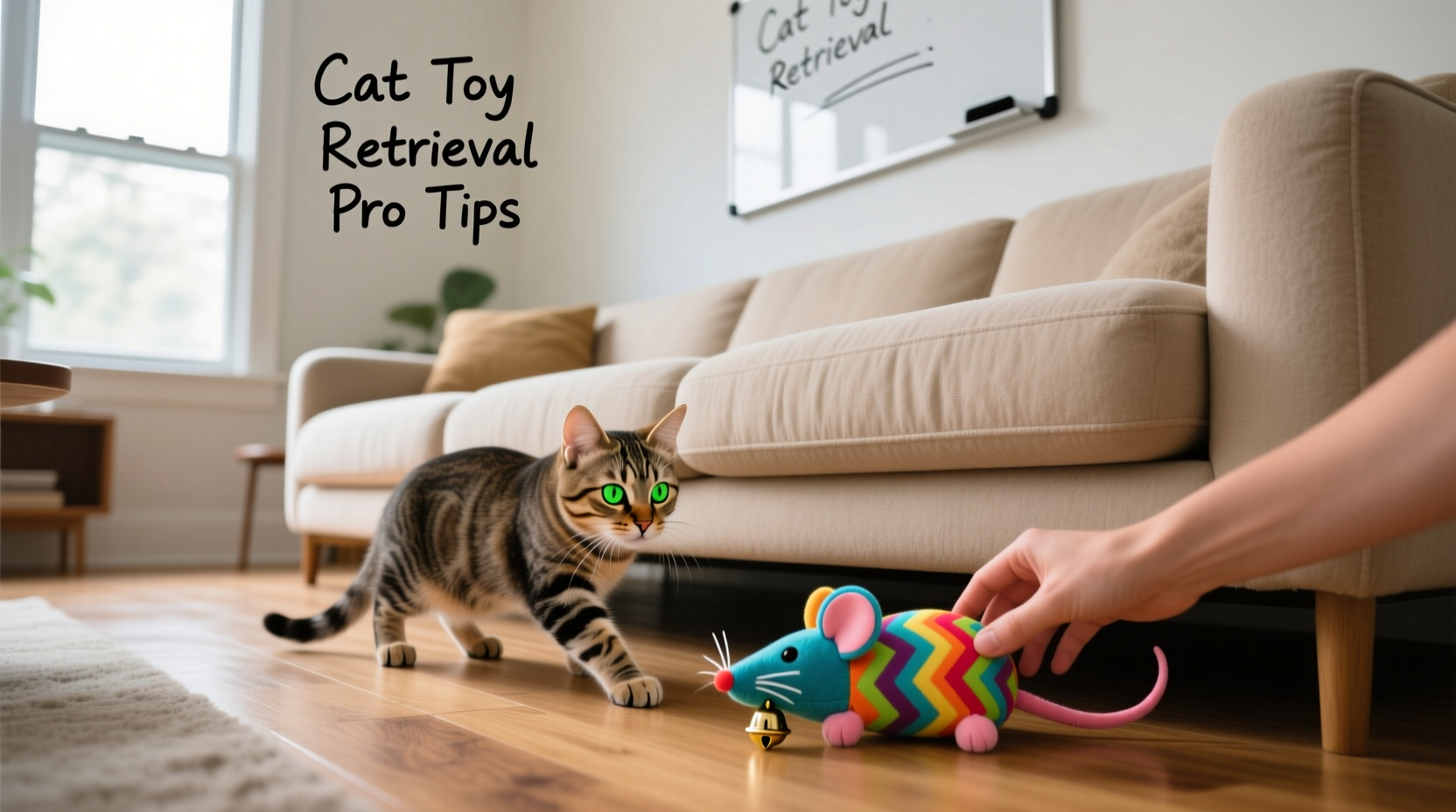
Before implementing solutions, it helps to understand the behavior driving the problem. Cats don’t intentionally hide toys under the couch out of mischief—they’re acting on deeply ingrained instincts. In the wild, felines use confined spaces for ambush hunting and storing prey. When your cat bats a toy under the sofa, they may be mimicking the act of stashing food or cornering prey in a den-like environment. Additionally, low-clearance furniture creates an irresistible tunnel effect that encourages batting and poking.
Studies in feline ethology suggest that cats prefer interactive play that simulates chasing and capturing. When toys roll or bounce unpredictably, they trigger predatory sequences—chase, pounce, bat, and retrieve (in theory). But because most living rooms have limited open floor space, those batted toys quickly migrate toward immovable barriers like couches and cabinets.
“Cats are drawn to edges and boundaries during play. These zones represent transition points in their territory, making them high-interest areas for hunting simulation.” — Dr. Lena Torres, Feline Behavior Specialist, American Pet Wellness Institute
Design a Cat-Friendly Play Zone
The foundation of any effective solution is environmental management. Instead of fighting your cat’s instincts, redirect them through strategic layout changes. Begin by identifying a dedicated play area—one with minimal under-furniture gaps and maximum accessibility.
- Choose a central space away from large upholstered furniture.
- Use area rugs to define the zone and reduce toy roll-off.
- Place lightweight, movable barriers (like small bookshelves or plant stands) to block access to tight corners.
In multi-cat homes, consider rotating play zones weekly to maintain novelty and reduce territorial fixation on one spot. You can also install wall-mounted shelves or catwalks above ground level to encourage vertical play, which naturally reduces floor-based toy scattering.
Tip: Use double-sided tape or non-slip rug pads under area rugs to prevent sliding when your cat lunges during play.Modify Furniture Layout and Gaps
One of the most overlooked factors in toy loss is furniture clearance. Most standard sofas sit 4–6 inches off the ground—just enough space for a ping-pong-sized toy to slip through but too narrow for retrieval. Addressing this gap is crucial.
Start by measuring the space between your couch legs and the floor. If it exceeds 3 inches, it’s a prime entry point for toys. Here are several ways to close or manage the gap:
- Install furniture risers with solid bases – Unlike open-leg designs, solid-base risers eliminate side access.
- Add skirted slipcovers – These fabric panels hang down from the couch frame, sealing off the underside.
- Use adjustable foam gap guards – Flexible strips that fit snugly between legs and floor.
- Slide storage bins underneath – Clear plastic containers not only block access but offer hidden toy storage.
If you're renting or unwilling to modify furniture permanently, temporary solutions like folding a thick towel along the front edge of the couch can deter pawing and create a visual barrier.
Choose the Right Toys for Your Space
Not all cat toys are created equal when it comes to containment. Small, lightweight items like pompom balls or feather wands are more likely to escape into unreachable zones. By selecting toys based on size, weight, and movement pattern, you can significantly reduce losses.
| Toy Type | Escape Risk | Recommended Alternative |
|---|---|---|
| Mini crinkle balls | High | Extra-large felt balls (2+ inches) |
| Feather teasers (detachable tips) | Medium-High | Integrated wand toys with secure attachments |
| Motorized mice | Medium | Boundary-limited robotic toys with auto-return |
| Felt tunnels | Low | None needed—ideal for contained play |
Denser materials like rubber or weighted plush tend to stay put after impact. Some brands now offer “couch-safe” toy lines specifically designed to resist rolling under furniture—look for flat-bottomed or disc-shaped models.
Implement a Daily Toy Management Routine
Even with preventive measures, some toys will inevitably stray. A consistent cleanup routine ensures minor escapes don’t become chronic issues.
Create a 5-minute evening ritual: gather all visible toys, inspect under accessible furniture, and return items to a designated bin. Make this part of your household’s wind-down process—pair it with turning off lights or locking doors for habit reinforcement.
Tip: Label a colorful basket “Cat Toy Station” and place it in the play zone. Involve family members in returning toys after each session.Mini Case Study: The Johnson Family Solution
The Johnsons, a family of four in Portland, struggled with losing an average of three cat toys per week—mostly small balls and wand attachments—under their sectional sofa. After consulting a pet behavior coach, they implemented a three-part strategy: installing skirted couch covers, switching to oversized felt toys, and introducing a nightly toy check led by their youngest daughter. Within two weeks, toy loss dropped to nearly zero. Their cat, Miso, adapted quickly and began using a new climbing tower placed centrally in the living room. “We didn’t change our cat,” said Sarah Johnson. “We changed the environment. It made all the difference.”
Checklist: Prevent Cat Toy Disappearance
Use this actionable checklist to safeguard your home and your cat’s favorite playthings:
- ✅ Measure couch clearance—seal gaps over 3 inches
- ✅ Replace tiny toys with larger, heavier alternatives
- ✅ Define a play zone with rugs or boundaries
- ✅ Install skirted slipcovers or gap blockers
- ✅ Rotate toys weekly to maintain interest
- ✅ Conduct a daily 5-minute toy sweep
- ✅ Store backup toys in labeled, accessible bins
- ✅ Encourage vertical play with shelves or towers
Frequently Asked Questions
Can I train my cat not to push toys under the couch?
Direct training to stop this specific behavior is difficult, as it stems from natural instincts. However, you can shape behavior indirectly by rewarding play in designated zones and removing reinforcement (i.e., retrieving toys) when they disappear. Over time, cats learn where play is most rewarding.
Are there special tools to retrieve toys from under furniture?
Yes. Long-reach grabber tools (often used for garage or outdoor cleanup) work well for retrieving toys without moving heavy furniture. Look for models with LED lights and rotating heads for better maneuverability in dark spaces.
How often should I replace lost or damaged toys?
Inspect toys weekly for wear, especially string components or loose parts. Replace damaged items immediately to avoid ingestion risks. With proper management, a well-maintained toy collection can last 6–12 months, even with active cats.
Final Thoughts: Create Harmony Between Play and Practicality
Preventing cat toys from disappearing under the couch isn’t about restricting your pet’s fun—it’s about designing a living space that supports both feline instincts and human convenience. By combining physical modifications, smart toy selection, and consistent routines, you create an environment where play thrives without chaos. These strategies don’t just save money on replacements; they strengthen the bond between pet and owner by fostering predictable, enjoyable interactions.
The goal isn’t perfection—it’s progress. Start with one change, like sealing a gap or swapping out a few high-risk toys, and build from there. Small adjustments compound into lasting results.
💬 What’s your go-to method for keeping cat toys in check? Share your tips and experiences in the comments—your solution might help another cat owner reclaim their living room!








