
Dog owners often notice their pets licking or chewing their paws—sometimes obsessively. While occasional grooming is normal, persistent paw chewing can signal underlying health or behavioral issues. Left unaddressed, this habit can lead to sores, infections, and chronic discomfort. Understanding why dogs chew their paws and implementing targeted interventions are crucial steps toward restoring your pet’s well-being.
Understanding Why Dogs Chew Their Paws
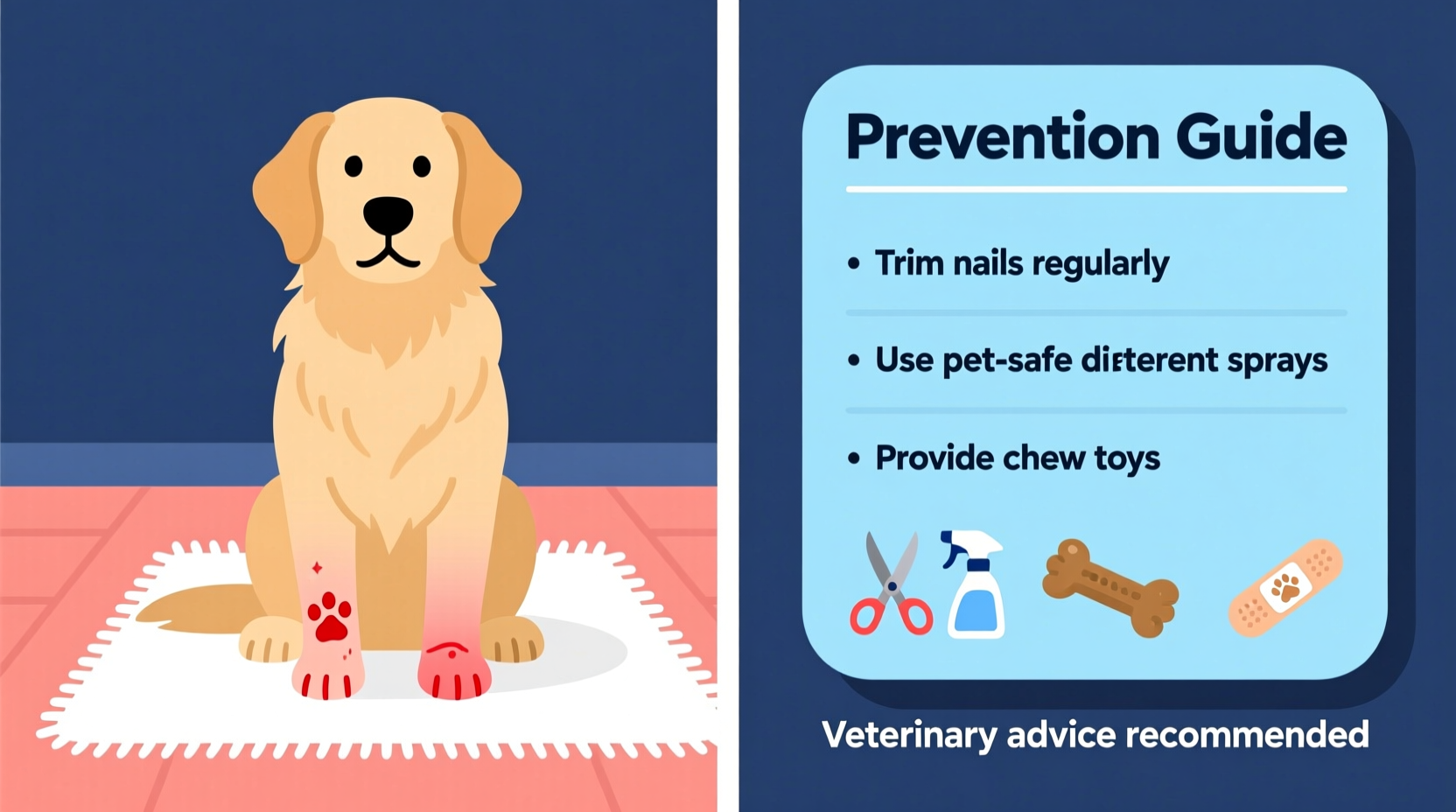
Paw chewing isn’t a random behavior—it’s usually a symptom of something deeper. The most common reasons include allergies, skin infections, parasites, anxiety, boredom, or physical injuries. Identifying the root cause is essential before any treatment plan can succeed.
Allergies, both environmental (like pollen or dust) and food-based (such as chicken or grains), are among the leading triggers. These cause intense itching, particularly in the paws, which dogs attempt to relieve through chewing. Fleas, mites, and ticks can also provoke irritation, especially between the toes.
Behavioral factors are equally significant. Dogs left alone for long periods may develop compulsive behaviors like paw licking due to stress or lack of stimulation. This type of chewing often follows a rhythmic pattern and occurs when the dog is resting or unsupervised.
“Chronic paw licking is rarely just a bad habit. It’s a communication tool—your dog is telling you something hurts or stresses them.” — Dr. Lena Torres, DVM, Veterinary Behavior Specialist
Step-by-Step Guide to Addressing Paw Chewing
Resolving paw chewing requires a structured approach. Follow these steps to diagnose and treat the issue effectively:
- Observe the Pattern: Note when, where, and how often your dog chews their paws. Is it after walks? During storms? When left alone?
- Inspect the Paws: Check for redness, swelling, cracked pads, foreign objects (like thorns), or signs of infection such as odor or discharge.
- Visit Your Veterinarian: Rule out medical conditions with a professional exam. Your vet may recommend allergy testing, skin scrapings, or blood work.
- Implement Treatment: Depending on the diagnosis, treatments may include antihistamines, antibiotics, medicated shampoos, or dietary changes.
- Modify Behavior: If no medical cause is found, focus shifts to environmental enrichment, training, and anxiety reduction techniques.
Common Causes and Corresponding Solutions
| Cause | Symptoms | Solutions |
|---|---|---|
| Allergies (food/environmental) | Red, inflamed paws; frequent licking; ear infections | Switch to hypoallergenic diet; use air purifiers; bathe with oatmeal shampoo |
| Fungal or bacterial infections | Discoloration, odor, swelling, pus | Antifungal or antibiotic treatment prescribed by a vet |
| Parasites (fleas, mites) | Visible pests, black specks (flea dirt), scabbing | Flea prevention meds; topical treatments; clean bedding regularly |
| Anxiety or boredom | Chewing when alone; pacing; destructive behavior | Increased exercise; puzzle toys; calming supplements or pheromone diffusers |
| Foreign object or injury | Limping, favoring one paw, visible splinter | Remove object safely or consult vet; bandage if needed |
Practical Tips to Prevent Recurrence
Once the immediate issue is resolved, prevention becomes key. Here are proven strategies to keep your dog from returning to destructive chewing habits:
- Maintain regular grooming: Trim hair between the toes to reduce trapped debris and moisture.
- Bathe after outdoor activity: Rinse paws with lukewarm water after walks to remove allergens like pollen or salt.
- Rotate toys and activities: Mental stimulation reduces compulsive behaviors. Rotate puzzle feeders, Kongs, and interactive games weekly.
- Use protective booties: In high-allergen seasons or rough terrain, dog boots can shield sensitive paws.
- Establish a routine: Predictable feeding, walking, and play schedules help reduce anxiety-driven chewing.
Mini Case Study: Max, the Labrador with Seasonal Allergies
Max, a 4-year-old yellow Labrador, began chewing his front paws every spring. His owner initially assumed it was behavioral, but the condition worsened—leading to raw, bleeding skin. A veterinary dermatologist diagnosed Max with seasonal pollen allergies. Blood testing confirmed sensitivities to grass and tree pollens.
The vet recommended a multi-pronged strategy: daily paw rinses after walks, a hydrolyzed protein diet, and a course of Apoquel to control inflammation. Within three weeks, Max’s chewing decreased significantly. His owner also introduced daily nose-work games to redirect his focus. After six months, Max’s paws healed completely, and he only required minimal maintenance during peak allergy season.
This case highlights the importance of professional diagnosis and combining medical and behavioral approaches for lasting results.
Checklist: What to Do When Your Dog Chews Their Paws
Use this actionable checklist to respond quickly and effectively:
- ☐ Observe frequency and context of chewing
- ☐ Inspect paws for cuts, swelling, or foreign objects
- ☐ Schedule a vet visit for possible medical causes
- ☐ Collect information: diet, recent environment changes, flea prevention status
- ☐ Start a paw hygiene routine (rinsing, drying, trimming)
- ☐ Increase mental and physical stimulation
- ☐ Try an E-collar or soft muzzle at night if chewing persists
- ☐ Monitor progress and adjust treatment as needed
Frequently Asked Questions
Is it normal for dogs to lick their paws occasionally?
Yes, light grooming is normal. Dogs clean themselves much like cats. However, constant or forceful chewing that leads to redness, hair loss, or injury is not normal and should be evaluated.
Can diet really affect my dog’s paw chewing?
Absolutely. Food allergies—especially to proteins like beef, dairy, or wheat—can manifest as skin irritation in the paws. A veterinary-guided elimination diet can help identify and remove trigger ingredients.
What if my vet finds no medical cause?
If all tests come back clear, the cause is likely behavioral. Focus on reducing stress, increasing exercise, and using positive reinforcement training. In severe cases, a veterinary behaviorist may recommend anti-anxiety medication alongside environmental modifications.
Conclusion: Take Action for a Healthier, Happier Dog
Paw chewing is more than a nuisance—it’s a sign that your dog needs help. Whether the cause is medical, environmental, or emotional, timely intervention makes all the difference. With careful observation, professional guidance, and consistent care, most dogs can stop chewing their paws for good.
💬 Your dog’s comfort starts with you. Share your experience or ask questions in the comments—your insight could help another pet owner break the cycle of paw chewing today.








