
Dog ownership brings joy, companionship, and a little extra mess—especially when it comes to shedding. While all dogs shed to some degree, excessive fur on furniture, clothes, and floors can become overwhelming. The good news is that with the right approach, you can significantly reduce shedding and maintain a cleaner home. This guide explores science-backed and veterinarian-approved methods to manage dog shedding effectively, from nutrition and grooming to household maintenance.
Understanding Why Dogs Shed
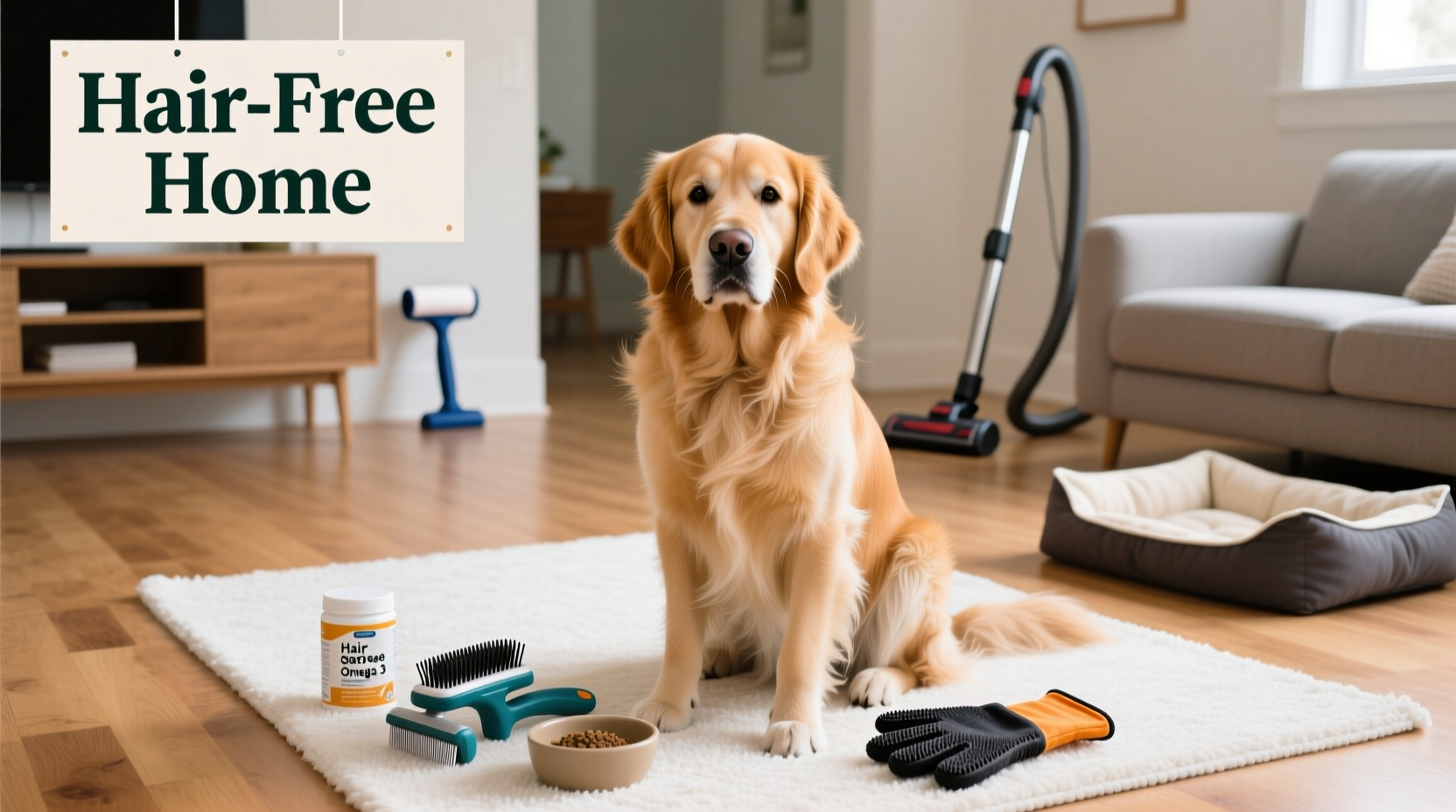
Shedding is a natural biological process. Dogs lose old or damaged hair to make way for new growth. Factors such as breed, season, health, and environment influence the amount of shedding. Double-coated breeds like Huskies, Golden Retrievers, and German Shepherds typically shed more, especially during seasonal \"blowouts\" in spring and fall. However, excessive shedding outside these periods may indicate underlying issues such as poor nutrition, allergies, parasites, or hormonal imbalances.
“Regular grooming and proper nutrition are the foundation of healthy skin and coat, which directly impacts shedding.” — Dr. Laura Bennett, DVM, Canine Dermatology Specialist
Before implementing any strategy, consult your veterinarian to rule out medical causes of abnormal shedding, such as hypothyroidism or Cushing’s disease.
Optimize Your Dog’s Diet for a Healthier Coat
Nutrition plays a crucial role in skin and coat health. A diet lacking essential fatty acids, vitamins, and minerals can lead to dry skin and increased shedding. Omega-3 and omega-6 fatty acids, found in fish oil and flaxseed, support skin elasticity and reduce inflammation.
Tip: Add a high-quality fish oil supplement to your dog’s meals after consulting your vet—many owners notice reduced shedding within 4–6 weeks.Choose premium dog food with real meat as the first ingredient and avoid fillers like corn, soy, and by-products. Some commercial diets are specifically formulated for skin and coat health, often labeled as “for sensitive skin” or “shiny coat.” Always ensure your dog has access to fresh water, as hydration supports skin moisture and overall health.
Foods That Support Coat Health
- Fatty fish (salmon, sardines)
- Eggs (cooked, in moderation)
- Coconut oil (small amounts)
- Leafy greens (like spinach, finely chopped)
- Pumpkin (for fiber and skin support)
Establish a Consistent Grooming Routine
Grooming isn’t just about appearance—it’s a critical tool in managing shedding. Regular brushing removes loose hair before it ends up on your couch. The frequency depends on your dog’s coat type:
| Breed Type | Brushing Frequency | Recommended Tools |
|---|---|---|
| Short-haired (e.g., Beagle, Boxer) | 1–2 times per week | Rubber curry brush, grooming mitt |
| Long-haired (e.g., Shih Tzu, Maltese) | Daily | Pin brush, metal comb |
| Double-coated (e.g., Husky, Samoyed) | 3–4 times per week (daily during shedding season) | Undercoat rake, slicker brush |
| Curly/Wiry (e.g., Poodle, Bichon Frise) | Every other day | Comb, dematting tool |
Bathing should be done every 4–6 weeks using a moisturizing, oatmeal-based shampoo. Over-bathing strips natural oils and can increase shedding. When drying, use a high-velocity dryer or towel thoroughly to prevent matting and trapped moisture.
Step-by-Step Guide to Effective Brushing
- Start with a detangling spray if your dog has mats.
- Use the appropriate brush for your dog’s coat type.
- Brush in the direction of hair growth, applying gentle pressure.
- Pay special attention to high-friction areas: behind ears, under legs, and belly.
- Finish with a wipe using a damp microfiber cloth to remove residual loose hair.
Home Management: Reducing Hair Accumulation Indoors
No matter how well you groom your dog, some shedding is inevitable. The key is minimizing its impact on your living space. Simple changes in routine and tools can make a big difference.
Tip: Place washable blankets or throws on furniture where your dog likes to lie—they’re easier to clean than upholstery.Vacuum at least three times a week using a model designed for pet hair. Look for HEPA filters to trap allergens and fine particles. Use rubber brooms or damp mops on hard floors to pick up stubborn hair. Wash your dog’s bedding weekly in hot water to eliminate dander and loose fur.
Air purifiers with HEPA filtration help reduce airborne pet dander, improving indoor air quality—especially beneficial for allergy sufferers.
Real Example: Managing Shedding in a Multi-Dog Household
The Thompson family owns two Siberian Huskies in Minnesota. During spring shedding season, they were overwhelmed by fur covering every surface. They implemented a structured plan: daily brushing with undercoat rakes, bi-weekly vacuuming with a pet-specific machine, and rotating washable dog beds. They also added salmon oil to their dogs’ diets. Within six weeks, visible shedding in the home dropped by an estimated 70%. Their vet confirmed improved coat condition during their next check-up.
“We used to vacuum twice a day,” said Sarah Thompson. “Now once every other day is enough. It’s made our home feel cleaner and less chaotic.”
Common Mistakes That Increase Shedding
Some well-intentioned habits can actually worsen shedding:
- Infrequent brushing: Allows dead hair to accumulate and shed indoors.
- Poor diet: Low-quality kibble lacks nutrients vital for coat health.
- Over-bathing: Strips natural oils, leading to dry skin and excess shedding.
- Ignoring stress: Anxiety from loud noises or separation can trigger temporary shedding.
- Using human shampoos: These disrupt a dog’s pH balance and irritate the skin.
FAQ: Frequently Asked Questions About Dog Shedding
Is there a truly hypoallergenic dog breed?
No dog is completely hypoallergenic, but some breeds like Poodles, Bichon Frises, and Portuguese Water Dogs shed very little and produce less dander. These are better suited for allergy-prone individuals, though regular grooming is still required.
Can supplements really reduce shedding?
Yes, when used correctly. Omega-3 and omega-6 supplements improve skin hydration and reduce inflammation, leading to a stronger, shinier coat. Results typically appear within 4–8 weeks. Always consult your vet before starting any supplement.
How can I tell if my dog is shedding too much?
Signs of abnormal shedding include bald patches, redness, scabs, or changes in behavior like excessive scratching. If you notice thinning coat or clumps of hair coming out easily, schedule a vet visit to rule out medical conditions.
Essential Checklist for Minimizing Dog Shedding
- ✔ Feed a high-quality diet rich in omega fatty acids
- ✔ Brush your dog regularly based on coat type
- ✔ Bathe monthly with a gentle, moisturizing shampoo
- ✔ Vacuum and mop floors 2–3 times per week
- ✔ Wash dog bedding weekly
- ✔ Use air purifiers with HEPA filters
- ✔ Schedule annual vet check-ups to monitor skin health
- ✔ Avoid over-bathing and harsh grooming products
Take Control of Shedding Starting Today
Minimizing dog shedding isn’t about eliminating it entirely—it’s about managing it wisely. With consistent grooming, proper nutrition, and smart home care, you can enjoy the company of your furry friend without constantly battling fur-covered surfaces. These strategies not only improve your home environment but also enhance your dog’s comfort and health. Start small: pick one area to improve this week, whether it’s upgrading your dog’s food or investing in a better vacuum. Over time, these efforts compound into a cleaner, more harmonious living space for both you and your pet.
💬 Have a shedding solution that works wonders for your dog? Share your experience in the comments and help fellow pet owners keep their homes fur-free!








