Leash training an adult dog presents unique challenges compared to puppies. Many adult dogs come with established habits—pulling, lunging, fear of traffic, or reactivity toward other animals. However, with patience, consistency, and the right techniques, any adult dog can learn to walk calmly and confidently on a leash. The key is not to force compliance but to build confidence, reinforce positive associations, and establish clear communication between you and your dog.
Unlike younger dogs, adult dogs often have life experiences that shape their behavior. A rescue dog may have never walked on a leash, while a previously owned pet might associate leashes with stress or punishment. Recognizing these emotional undercurrents is the first step toward meaningful change. This guide outlines practical, humane strategies grounded in modern dog training principles to transform tense, chaotic walks into peaceful, enjoyable experiences.
Understanding Why Adult Dogs Struggle on Leash
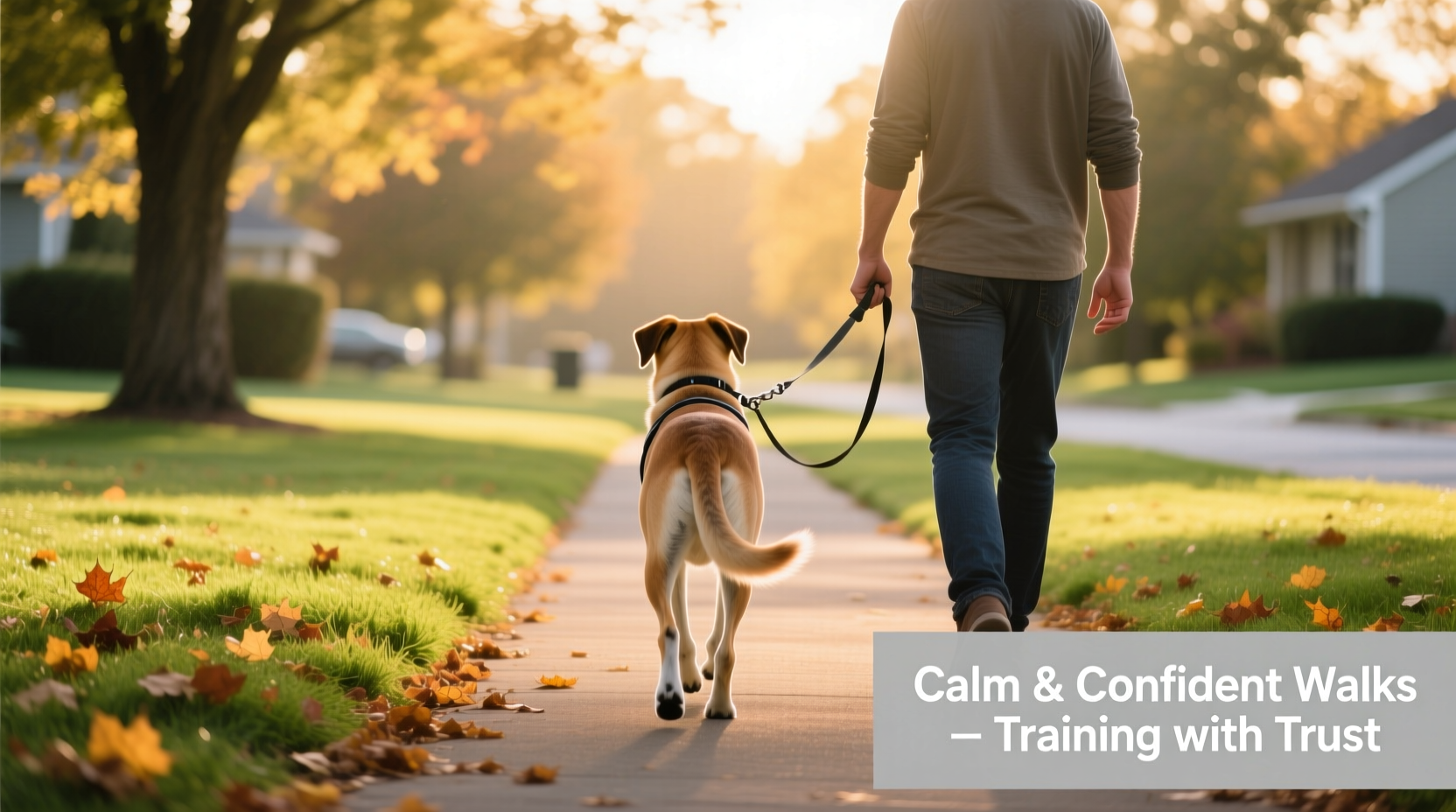
Before addressing solutions, it's important to understand the root causes of leash-related issues in adult dogs. Common reasons include:
- Lack of early socialization: Dogs not exposed to varied environments during their formative months may react fearfully to traffic, crowds, or unfamiliar sounds.
- Negative past experiences: A dog punished for pulling or startled by loud noises during previous walks may develop anxiety around leash time.
- Over-excitement: Some dogs pull because they’re eager to explore, greet others, or reach a destination like the park.
- Poor equipment fit: An ill-fitting collar or harness can cause discomfort, leading to resistance or erratic movements.
- Insufficient mental stimulation: Dogs with pent-up energy or boredom are more likely to act out during walks.
Addressing these factors requires more than just technique—it demands empathy and observation. Watch how your dog behaves at different points during a walk. Does he freeze near buses? Pull aggressively when seeing another dog? These cues help tailor your training approach.
Tip: Begin training in low-distraction environments like your backyard or quiet driveway before progressing to busier areas.Step-by-Step Guide to Leash Training an Adult Dog
Successful leash training unfolds over several phases. Rushing ahead without mastering each stage undermines progress. Follow this structured timeline for best results:
- Phase 1: Introduce Equipment (Days 1–3)
Allow your dog to sniff and investigate the leash and harness off-leash. Let him wear the harness indoors for short periods with treats given nearby to create positive associations. - Phase 2: Indoor Leash Acclimation (Days 4–7)
Clip the leash on inside the house. Let your dog drag it (supervised) while playing or moving around. Occasionally pick up the leash gently and follow him, rewarding calm behavior with praise or treats. - Phase 3: Controlled Movement Practice (Week 2)
Begin practicing “heel” or loose-leash walking in a confined space. Use a high-value treat held near your leg to encourage your dog to stay close. Reward every few steps of walking without tension. - Phase 4: Outdoor Short Sessions (Week 3)
Move training outdoors in a quiet area. Walk for only 5–10 minutes initially. If your dog pulls, stop and wait until the leash slackens, then reward and continue. - Phase 5: Gradual Exposure & Duration Increase (Weeks 4+)
Slowly increase walk length and introduce mild distractions—like passing a parked car or encountering a distant dog. Always end sessions on a positive note.
Consistency across all household members is essential. Everyone should use the same cues (e.g., “let’s go,” “this way”) and reward system to avoid confusing the dog.
Essential Tools and Techniques for Calm Walking
The right tools make a significant difference in managing pulling and building confidence. Not all collars and harnesses are created equal, especially for dogs with specific behavioral or physical needs.
| Tool | Best For | Avoid If... |
|---|---|---|
| Front-clip harness | Dogs that pull heavily | Dog has shoulder injuries or mobility issues |
| No-pull back-clip harness | Moderate pullers needing gentle guidance | Dog shows signs of anxiety or restriction discomfort |
| Standard flat collar | Calm walkers with good leash manners | Dog is reactive or prone to tracheal strain |
| Head halter (e.g., Gentle Leader) | Strong or reactive dogs needing directional control | Dog panics easily; must be introduced gradually |
Pair equipment with positive reinforcement techniques:
- Use a marker word like “yes” or a clicker to signal desired behavior instantly.
- Reward attention—when your dog checks in with you during the walk, mark and treat.
- Practice frequent turns and changes in pace to keep your dog engaged and focused on you.
“Dogs don’t resist walking—they resist confusion and fear. Clear communication and kindness rebuild trust faster than force ever could.” — Dr. Karen Becker, Veterinary Behaviorist
Real Example: Transforming a Reactive Rescue Dog
Max, a 4-year-old mixed breed rescued from a rural shelter, exhibited intense leash reactivity. He would lunge and bark at cyclists and other dogs, making neighborhood walks nearly impossible. His owner, Sarah, began training using the step-by-step method outlined above.
She started indoors, letting Max wear his front-clip harness with treats scattered nearby. After three days, she clipped the leash and followed him through the house, rewarding calm pauses. By week two, they practiced turning toward her when she said “look” and received a piece of chicken. They moved to her driveway, then a quiet side street.
Sarah used a technique called “look at that,” where she marked and rewarded Max for noticing a trigger (like a distant dog) without reacting. Over six weeks, Max progressed from barking at anything moving to glancing at triggers and looking back at her for a treat. Today, their daily walks are relaxed and enjoyable—a testament to patience and science-based training.
Common Mistakes and How to Avoid Them
Even well-intentioned owners can hinder progress by unknowingly reinforcing undesirable behaviors. Here are common pitfalls and corrections:
Tip: Never yank the leash to correct pulling. This increases fear and damages trust. Instead, stop moving and wait for slack.- Mistake: Yelling or jerking the leash when the dog pulls.
Solution: Stay calm. Use stillness as a cue—movement only resumes when the leash is loose. - Mistake: Allowing the dog to pull to get where he wants.
Solution: Be the decision-maker. Choose destinations and reward cooperation with forward motion. - Mistake: Overloading the dog with too much stimulation too soon.
Solution: Respect your dog’s threshold. If he’s stressed, increase distance from triggers and shorten sessions.
Checklist: Key Actions for Successful Leash Training
Use this checklist weekly to track your progress and ensure no critical step is missed:
- ✅ Introduced harness/leash with positive associations (treats, play)
- ✅ Practiced indoor leash dragging with supervision
- ✅ Established a consistent cue for attention (“look,” “here”)
- ✅ Trained loose-leash walking in low-distraction environment
- ✅ Used high-value treats during training sessions
- ✅ Ended each session positively, before frustration sets in
- ✅ Gradually increased exposure to real-world stimuli
- ✅ Maintained patience—even small improvements matter
Frequently Asked Questions
How long does it take to leash train an adult dog?
Most dogs show improvement within 2–4 weeks with consistent daily practice. Full confidence and reliability may take 2–3 months, depending on the dog’s history and temperament. Progress isn’t linear—setbacks are normal and part of learning.
Can I leash train a senior dog with arthritis or mobility issues?
Absolutely. Adjust walk duration and terrain to accommodate physical limitations. Use supportive gear like a rear lift harness if needed. Focus on mental engagement and environmental enrichment rather than distance. Even short, slow walks provide valuable sensory input.
What if my dog refuses to walk altogether?
This often indicates fear or discomfort. Rule out medical issues first. Then, try changing routes, surfaces, or times of day. Let your dog set the pace initially. Toss treats a few feet ahead to encourage forward movement. Patience and gradual exposure are crucial.
Final Thoughts: Building a Confident Companion
Leash training an adult dog is less about control and more about connection. Every walk is an opportunity to deepen trust, reinforce calm behavior, and help your dog feel safe in the world. Success doesn’t come from perfection but from persistence—showing up, staying patient, and celebrating small victories.
You’re not just teaching your dog to walk nicely. You’re giving him the confidence to navigate life alongside you, one relaxed step at a time. Start today, stay consistent, and remember: every dog can learn, no matter their age or past.
💬 Have a leash training success story or challenge? Share your experience in the comments—your insights could inspire another dog owner on the same journey.








