Stray cats often wander into residential areas in search of food, shelter, or warmth. While many people appreciate their presence, uninvited feline guests can lead to issues such as fouling gardens, disturbing pets, or causing noise at night. The good news is that you can deter stray cats humanely—without traps, chemicals, or physical harm. By understanding cat behavior and using smart, non-lethal methods, you can protect your property while respecting these animals.
Understanding Why Stray Cats Enter Your Property
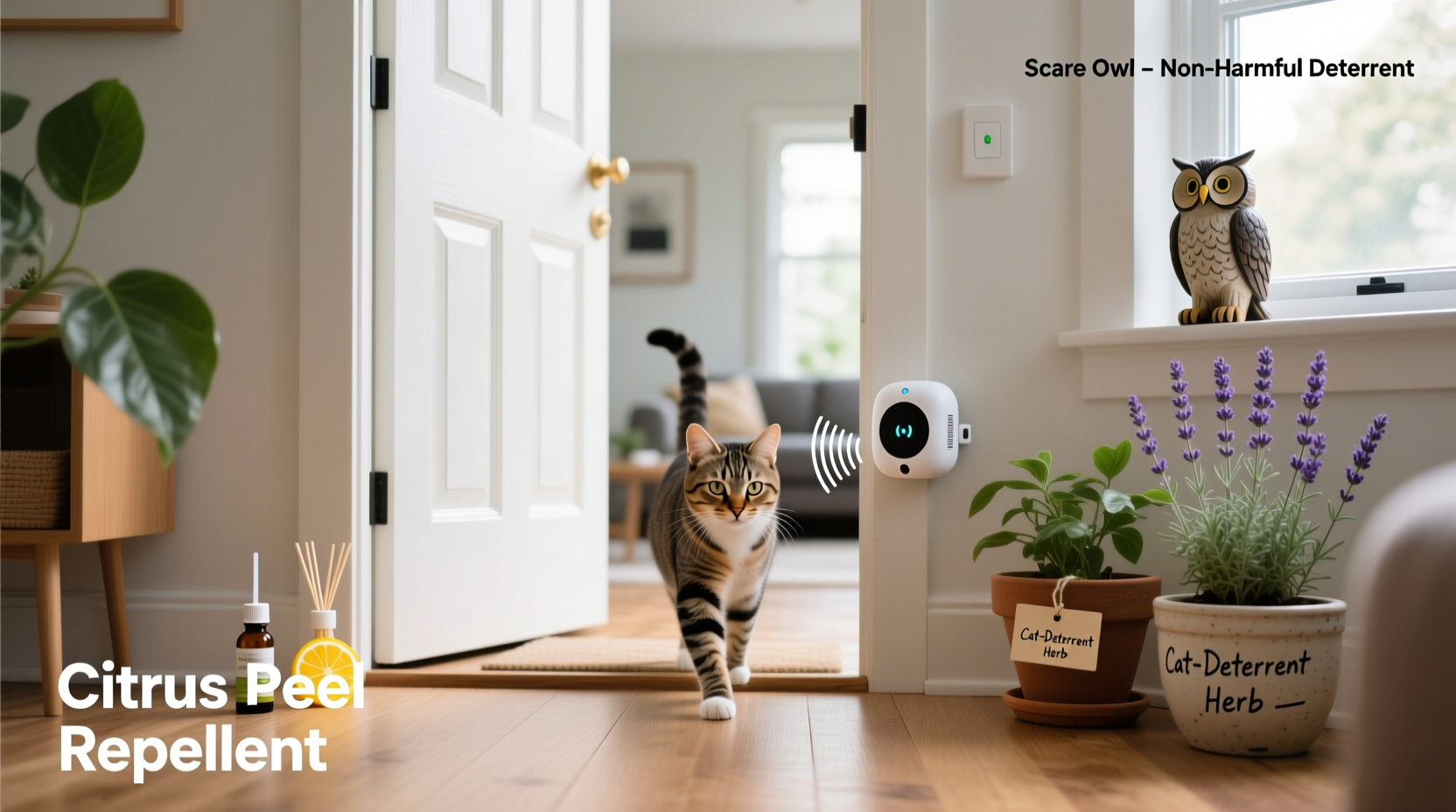
Cats are naturally curious and territorial. A stray cat may choose your yard or porch not out of malice, but because it offers something they need: food scraps, shelter from weather, or a quiet place to rest. Before implementing deterrents, assess what might be attracting them. Common attractants include:
- Open compost bins or uncovered trash
- Pet food left outdoors
- Dense shrubbery or spaces under decks
- Warm spots like car engines or sun-heated patios
Removing these incentives is the first step toward long-term prevention. Once the appeal is gone, combine behavioral deterrents with environmental adjustments for maximum effectiveness.
Tip: Never shout at or chase cats aggressively—they’ll return when you’re gone. Consistent, passive deterrents work better.1. Use Scent-Based Deterrents That Cats Naturally Avoid
Cats rely heavily on their sense of smell. Certain scents are unpleasant or signal danger to them, prompting avoidance. These natural repellents are safe for plants, pets, and children:
- Citrus peels: Scatter lemon, orange, or grapefruit rinds around garden beds or entry points.
- Mint and lavender: Plant these herbs near doors or windows; cats dislike their strong aroma.
- Coffee grounds: Used coffee grounds not only repel cats but also enrich soil.
- Vinegar: Soak cotton balls in white vinegar and place them in strategic areas (replace weekly).
For longer-lasting solutions, consider commercial sprays made with natural ingredients like citronella or essential oils. Reapply after rain or every few days to maintain potency.
“Cats have up to 200 million scent receptors—compared to our 5 million. Strong odors can be overwhelming and act as powerful deterrents.” — Dr. Lena Torres, Feline Behavior Specialist
2. Install Motion-Activated Devices
Technology offers reliable, hands-off ways to discourage strays. Motion-activated sprinklers, lights, or sound emitters startle cats without causing injury. These devices detect movement and respond instantly, creating an unpredictable environment that cats learn to avoid.
| Device Type | How It Works | Best For |
|---|---|---|
| Motion-activated sprinkler | Releases a short burst of water when movement is detected | Gardens, backyards, driveways |
| Ultrasonic repeller | Emits high-frequency sound (inaudible to humans) | Porch corners, under decks |
| Solar-powered flashing light | Blinks erratically at night to mimic predator eyes | Dark areas, sheds, garages |
These tools are most effective when rotated or moved periodically. Cats adapt quickly to static stimuli, so varying placement helps maintain their effectiveness.
3. Modify the Environment to Reduce Shelter Opportunities
A key reason stray cats linger is access to shelter. Sealing off hiding spots makes your property far less appealing.
- Install wire mesh or lattice under decks and porches.
- Use storage bins with tight-fitting lids to block access beneath them.
- Trim overgrown bushes and ground cover to eliminate dense hiding zones.
- Close garage doors and shed entrances when not in use.
If you suspect a cat has already nested, wait until it leaves before sealing the area. Trapping an animal inside can cause distress and is inhumane.
Tip: Check under vehicles before starting the engine—stray cats often sleep near warm engines.4. Collaborate with Local Animal Welfare Groups
In some cases, exclusion isn’t enough. If a stray appears injured, sick, or repeatedly returns despite deterrents, contact a local animal rescue or TNR (Trap-Neuter-Return) program. These organizations humanely trap, sterilize, vaccinate, and release cats, reducing nuisance behaviors and preventing population growth.
TNR participants often mark cats with a tipped ear, indicating they’ve been through the program. Supporting these efforts benefits both the community and feline welfare.
Mini Case Study: Reducing Cat Activity in a Suburban Garden
Sarah M., a homeowner in Portland, noticed daily visits from two stray cats who used her raised vegetable bed as a litter box. She tried shooing them away, but they returned each evening. After consulting a local humane society, she implemented a multi-pronged approach:
- Planted lemon thyme and lavender along the garden border.
- Installed a motion-activated sprinkler set to trigger at low sensitivity.
- Covered unused compost bins and began feeding her own cat indoors.
Within three weeks, cat activity dropped by 90%. One month later, the cats had relocated to a neighboring lot with fewer deterrents. Sarah continues rotating scents and checking for new attractants.
5. Establish a Consistent Deterrence Routine
One-time actions rarely solve persistent stray cat problems. Success comes from consistency and layering multiple strategies. Follow this weekly routine to maintain a cat-free zone:
- Inspect: Walk your property looking for signs of cat activity (scratches, droppings, disturbed mulch).
- Refresh: Replace citrus peels, vinegar-soaked cloths, or herbal deterrents.
- Test: Trigger motion devices manually to ensure they’re working.
- Secure: Confirm trash lids are closed, pet food is stored, and shelters are blocked.
Consistency sends a clear message: your property is not a safe or rewarding place to stay.
Checklist: Humane Stray Cat Deterrence Plan
- ✅ Remove outdoor food sources and secure trash bins
- ✅ Apply natural scent deterrents (citrus, vinegar, coffee grounds)
- ✅ Install motion-activated sprinkler or ultrasonic device
- ✅ Block access under decks, sheds, and stairs
- ✅ Contact local TNR program if cats appear injured or frequent
- ✅ Maintain a weekly inspection and refresh schedule
Frequently Asked Questions
Will these methods harm the cats?
No. All recommended strategies are non-toxic and physically harmless. They rely on discomfort, surprise, or environmental modification—not pain or fear-based trauma.
What if a stray cat seems friendly or hungry?
While compassion is understandable, feeding strays encourages dependency and attracts others. Instead, contact a local rescue. They can assess whether the cat is lost, feral, or in need of medical care—and take appropriate action.
How long does it take for deterrents to work?
Most cats begin avoiding the area within 7–14 days. Full results may take up to four weeks, especially if the cat has established a territory. Patience and consistency are critical.
Conclusion: Peaceful Coexistence Starts with Smart Action
Keeping stray cats off your property doesn’t require conflict or cruelty. With thoughtful, science-backed strategies, you can create an environment that naturally discourages loitering while ensuring the animals remain safe. The key is combining scent, sound, and structure to make your space uninviting—without ever laying a hand on the cat.
Start small: pick one method from this guide and implement it today. Then build from there. Over time, your efforts will pay off in cleaner gardens, quieter nights, and a more secure home—all achieved with kindness and respect for wildlife.
💬 Have a humane cat deterrent tip that works for you? Share your experience in the comments and help others find peaceful solutions.








