
Stray cats often wander into residential areas in search of food, shelter, or safety. While many people appreciate their presence, persistent visits can lead to issues like digging in gardens, spraying around property, or disturbing pets. The key is to deter them humanely—without causing stress, injury, or long-term harm. Fortunately, there are proven, non-lethal methods that respect animal welfare while protecting your space. This guide outlines practical, ethical, and sustainable approaches to gently discourage stray cats from frequenting your home.
Understanding Why Stray Cats Are Attracted to Your Property
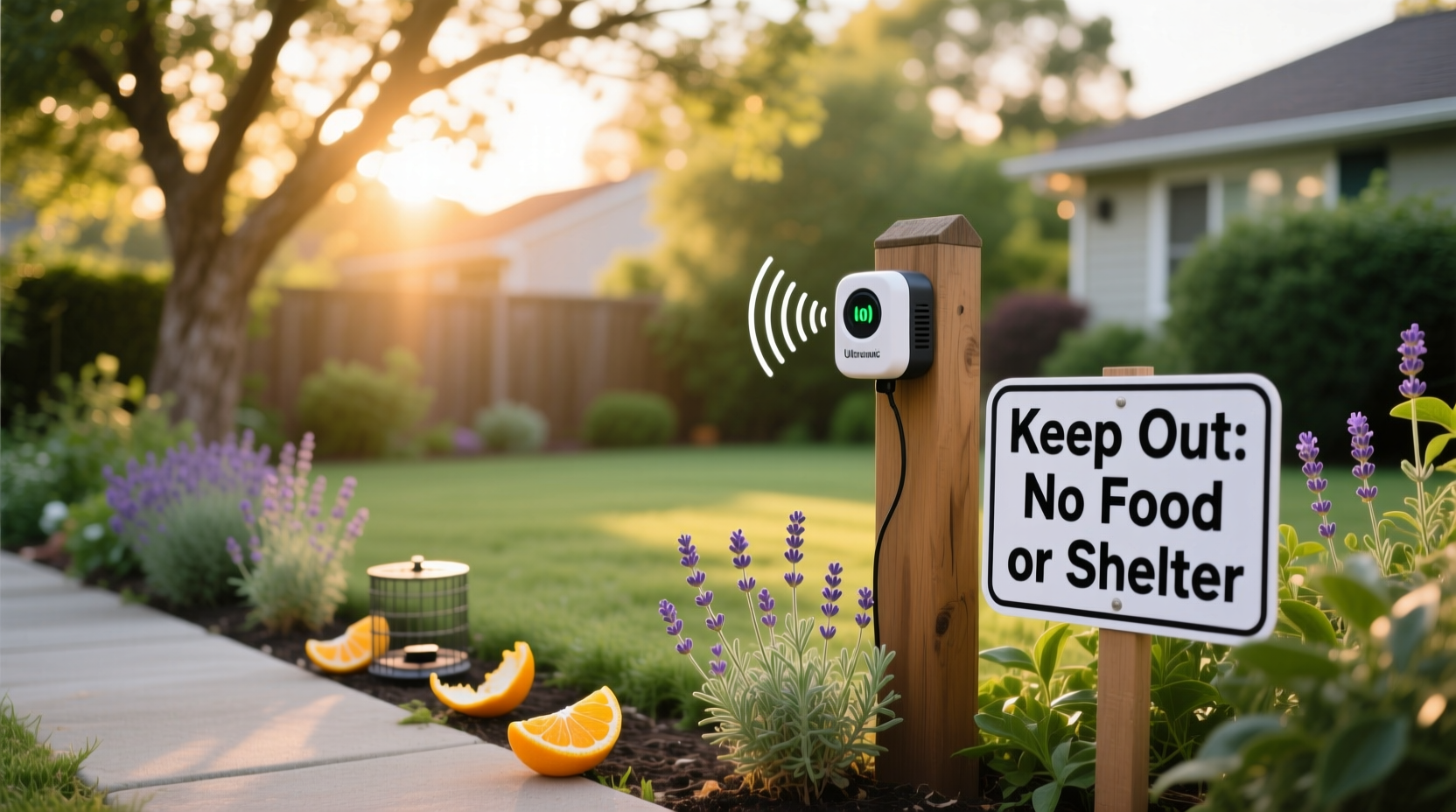
Cats don’t choose locations at random. They’re drawn to environments that meet their basic survival needs: food, water, warmth, and security. If stray cats keep returning to your yard or porch, it’s likely because one or more of these elements is present—intentionally or not.
Common attractants include:
- Leftover pet food or uncovered trash bins
- Dense shrubbery or spaces under decks that offer shelter
- Bird feeders or compost piles that draw small animals (and thus predators)
- Nearby residents who regularly feed strays
Identifying and eliminating these attractions is the first step toward a lasting solution. Simply chasing cats away may provide temporary relief, but unless the root cause is addressed, they will return.
Tip: Conduct a nightly walkthrough with a flashlight to observe where cats enter and what areas they use most.Scent-Based Deterrents That Work Naturally
Cats rely heavily on their sense of smell, making scent-based repellents one of the most effective non-harmful deterrents. Certain odors are naturally unpleasant to cats but safe for the environment and other wildlife.
Proven scent deterrents include:
- Citrus peels (orange, lemon, lime) – scatter them around garden beds or entry points.
- Menthol or eucalyptus oil – diluted and sprayed lightly on surfaces (avoid direct contact with plants).
- Coffee grounds – used grounds spread in problem areas repel cats and enrich soil.
- Vinegar – a natural acid with a sharp smell; spray near doorways or along fences (rinse after rain).
These scents disrupt a cat’s comfort zone without toxicity. However, they require regular reapplication, especially after rain or watering.
“Scent deterrents work best when rotated weekly—cats can become habituated to consistent smells.” — Dr. Lena Reyes, Urban Wildlife Behaviorist
Environmental Modifications to Discourage Loitering
Altering your yard or exterior layout can make it less appealing to cats without altering its beauty or function. Focus on removing hiding spots and making surfaces uncomfortable to walk on.
Physical Barriers and Surface Deterrents
Use materials that are unpleasant under paw but safe for humans and pets:
- Lay chicken wire over garden soil before planting.
- Install plastic carpet runners (nub-side up) in flowerbeds or under porches.
- Place motion-activated sprinklers in high-traffic zones—surprise bursts of water startle but don’t injure.
Secure Food Sources
Ensure all potential food sources are inaccessible:
- Use animal-proof trash cans with locking lids.
- Bring pet food indoors after feeding time.
- Avoid leaving scraps outdoors or composting meat/dairy products.
| Method | Effectiveness | Duration | Eco-Friendly? |
|---|---|---|---|
| Citrus peels | Medium | 3–5 days | Yes |
| Motion-activated sprinkler | High | Months (with maintenance) | Yes |
| Plastic carpet runners | High | Seasonal | Yes |
| Commercial sprays | Variable | 1–2 weeks | Check label |
Step-by-Step Guide to Humanely Reduce Cat Visits
Follow this timeline to implement a comprehensive, gradual strategy:
- Week 1: Assess and Remove Attractants
Inspect your property for food, water, and shelter opportunities. Secure trash, remove clutter, and talk to neighbors about outdoor feeding. - Week 2: Apply Scent Deterrents
Begin using citrus, vinegar, or coffee grounds in targeted zones. Reapply every 3–4 days. - Week 3: Install Physical Deterrents
Set up carpet runners, chicken wire, or motion-activated devices. Test placement for maximum coverage. - Week 4: Monitor and Adjust
Observe if cat activity decreases. Rotate scents and reposition devices as needed. - Ongoing: Maintain Consistency
Continue deterrent routines and reinforce boundaries. Consider installing ultrasonic devices if problems persist.
Real Example: A Suburban Home Successfully Reduces Cat Traffic
In Portland, Oregon, homeowner Maria Thompson noticed stray cats digging up her vegetable garden and leaving waste near her back door. After trying verbal shooing and water sprays with little success, she implemented a multi-pronged approach.
Maria started by covering her compost bin and switching to a latched trash can. She scattered lemon peels around garden edges and laid plastic matting under her deck. Within two weeks, cat activity dropped significantly. By adding a motion-activated sprinkler near the patio, she eliminated nighttime visits entirely within a month. Her garden thrived, and no cats were harmed.
“I didn’t want to hurt them,” she said. “But I also needed my yard back. These methods gave me both.”
What Not to Do: Common Mistakes to Avoid
While the goal is humane deterrence, some well-intentioned actions can be counterproductive or unethical:
- Don’t use ammonia – though it mimics urine, it can attract cats rather than repel them and poses health risks.
- Don’t trap cats without a plan – capturing strays requires coordination with local shelters or TNR (Trap-Neuter-Return) programs.
- Don’t shout or throw objects – this causes fear and stress, potentially leading to aggression or injury.
- Don’t assume relocation works – moving cats far away often leads to disorientation, danger, or return attempts.
FAQ
Can I legally keep stray cats off my property?
Yes, property owners have the right to deter animals humanely. However, harming or trapping cats without permits may violate local animal protection laws. Always check municipal regulations before taking action.
Will neutered cats still come onto my property?
Neutered cats are less likely to spray or fight, but they may still roam for food or comfort. Deterrents remain effective regardless of reproductive status.
Are there community-based solutions?
Absolutely. Many neighborhoods partner with TNR organizations to manage stray populations humanely. Coordinating with neighbors ensures consistent efforts and prevents displacement to adjacent yards.
Final Checklist for Humane Cat Deterrence
- ✅ Remove all accessible food and water sources
- ✅ Eliminate shelter options (seal crawl spaces, clear brush)
- ✅ Use natural scent repellents (citrus, coffee, vinegar)
- ✅ Install physical barriers (carpet runners, chicken wire)
- ✅ Set up motion-activated sprinklers or ultrasonic devices
- ✅ Communicate with neighbors about feeding practices
- ✅ Support local TNR programs when possible
Conclusion
Keeping stray cats away from your home doesn’t require cruelty or confrontation. With thoughtful, consistent strategies, you can protect your property while treating animals with dignity. The most effective solutions combine awareness, environmental adjustment, and compassion. By addressing the reasons cats visit in the first place—and using humane tools to gently redirect them—you create a peaceful balance between coexistence and personal space.
💬 Have a humane tip that worked for you? Share your experience in the comments to help others find kind, effective solutions.








