
Uninvited cats wandering into your yard, garden, or even inside your home can be a persistent issue—especially in urban and suburban neighborhoods. While many people adore cats, unsupervised strays or neighborhood pets can disrupt gardens, leave waste, or trigger allergies. The good news is that you don’t need to resort to harmful tactics to protect your space. With thoughtful, humane methods, you can deter cats effectively while respecting animal welfare.
This guide explores proven, non-lethal strategies that create lasting boundaries. From scent deterrents to environmental modifications, these approaches are not only ethical but often more sustainable than temporary fixes.
Understanding Cat Behavior
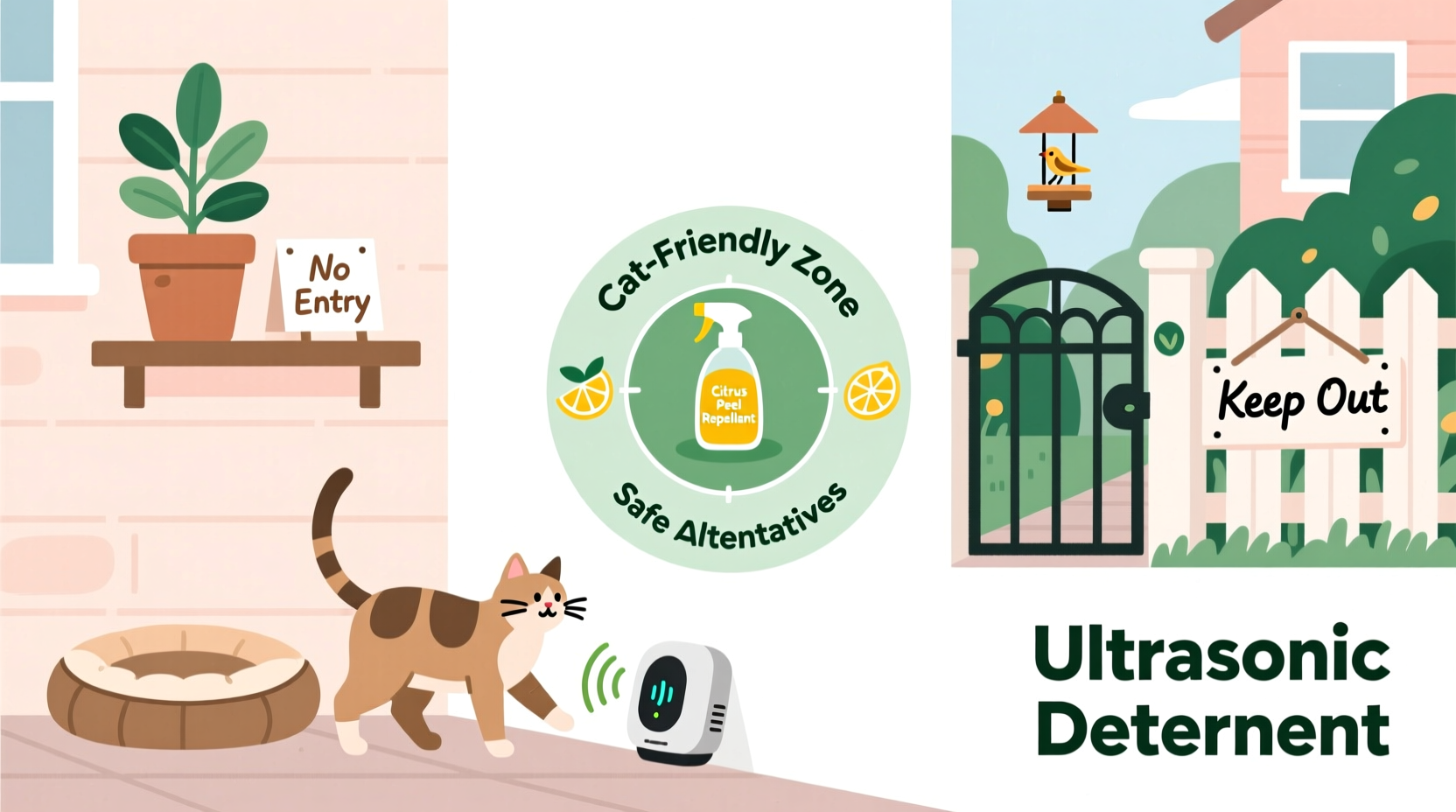
To deter cats humanely, it helps to understand why they’re drawn to your property. Cats are territorial by nature and use scent marking to claim areas. They also seek warmth, shelter, and food sources. A quiet corner of your garden, the space under your porch, or even freshly turned soil may appear inviting to a roaming cat.
Additionally, cats have highly sensitive olfactory systems. Scents that seem mild to humans can be overwhelming or repulsive to them. This sensitivity forms the basis of many effective, non-harmful deterrents.
“Cats respond strongly to environmental cues. By altering the sensory landscape of your property, you can influence their behavior without stress or injury.” — Dr. Lena Torres, Feline Behavior Specialist
Proven Humane Deterrent Methods
Effective cat deterrence relies on consistency and layering multiple strategies. Using just one method may yield short-term results, but combining several increases long-term success.
1. Scent-Based Repellents
Cats dislike certain strong odors. These can be used strategically around entry points and frequented zones:
- Citrus peels: Scatter lemon, orange, or grapefruit peels near garden beds or doorways. Replace every few days as they dry out.
- Mint or lavender oil: Soak cotton balls in diluted essential oils and place them in discreet spots. Avoid direct sunlight to prevent rapid evaporation.
- Coffee grounds: Sprinkle used grounds around plants. They also enrich soil, making this a dual-purpose solution.
- Commercial repellents: Look for sprays labeled “feline-safe” and containing natural ingredients like citronella or eucalyptus.
2. Physical Barriers and Surface Deterrence
Cats prefer soft, diggable surfaces and easy access points. Altering textures discourages lingering:
- Place chicken wire over garden beds or flowerbeds. Cover with mulch for aesthetics.
- Use plastic mats with upward-pointing spikes (commercially sold as “cat scarers”) on window sills or decks. These are uncomfortable to walk on but cause no injury.
- Install motion-activated sprinklers. The sudden burst of water startles cats without harming them and teaches them to avoid the area.
3. Eliminate Attractants
The most overlooked aspect of cat control is removing what draws them in the first place:
- Secure trash bins with tight-fitting lids.
- Avoid leaving pet food outdoors.
- Cover compost piles or use enclosed bins.
- Remove dense shrubbery or debris where cats might hide.
Step-by-Step Guide to Long-Term Cat Deterrence
Follow this 4-week plan to gradually make your property less appealing to cats:
- Week 1: Assessment & Cleanup
Walk your property and identify entry points, favorite resting spots, and potential attractants. Remove food sources and shelter opportunities. - Week 2: Install Physical Deterrents
Place chicken wire, plastic mats, or gravel in key areas. Set up motion-activated devices if needed. - Week 3: Introduce Scent Repellents
Begin using citrus, coffee grounds, or commercial sprays. Rotate scents weekly to prevent habituation. - Week 4: Monitor & Adjust
Observe cat activity. Reinforce weak spots with additional barriers or smells. Continue maintenance monthly.
Do’s and Don’ts of Humane Cat Management
| Do’s | Don’ts |
|---|---|
| Use natural, non-toxic repellents | Use ammonia or mothballs (toxic to pets and children) |
| Seal off crawl spaces under decks | Shout at or chase cats aggressively |
| Engage with neighbors about shared concerns | Trap cats without a relocation plan |
| Support local TNR (Trap-Neuter-Return) programs | Assume all cats are feral—some may be lost pets |
Real Example: A Suburban Garden Success Story
Sarah M., a homeowner in Portland, Oregon, struggled for months with cats digging in her vegetable garden. She tried spraying water and yelling, but the behavior continued. After consulting a local wildlife advisor, she implemented a layered approach:
- She covered her raised beds with lightweight mesh netting supported by hoops.
- She placed citrus peels around the perimeter and added coffee grounds to her soil.
- She installed a motion-activated sprinkler near her back steps.
Within three weeks, cat visits dropped significantly. By week six, there were no signs of intrusion. Sarah continues light maintenance each spring and reports her garden has never been healthier.
Checklist: Your Humane Cat Deterrence Plan
Use this checklist to ensure comprehensive coverage:
- ✅ Identify all cat entry points and high-traffic zones
- ✅ Remove outdoor food sources and secure trash
- ✅ Install physical deterrents (mats, wire, gravel)
- ✅ Apply natural scent repellents consistently
- ✅ Use motion-activated devices if necessary
- ✅ Communicate with neighbors about responsible pet ownership
- ✅ Support community TNR efforts to reduce stray populations
Frequently Asked Questions
Are ultrasonic cat repellents effective?
Ultrasonic devices emit high-frequency sounds that cats find unpleasant. While some users report success, results vary. Cats can become accustomed to the sound over time, reducing effectiveness. These devices work best when combined with other methods like scent or physical barriers.
What should I do if a cat appears injured or sick?
If you encounter a cat showing signs of illness (limping, matted fur, discharge), do not attempt to handle it. Contact a local animal rescue or humane society. Many organizations offer free trapping and medical care for stray cats through TNR programs.
Can I legally keep cats off my property?
Yes, property owners have the right to deter animals from their land using humane methods. However, laws vary by location. In many areas, trapping or relocating cats without permits is illegal. Always check local ordinances before taking action beyond passive deterrence.
Conclusion: Peaceful Coexistence Is Possible
Keeping cats out of your home and yard doesn’t require conflict or cruelty. By understanding feline instincts and applying consistent, humane strategies, you can reclaim your space while contributing to broader community animal welfare. The most effective solutions are those that respect both your needs and the well-being of the animals sharing your environment.
💬 Have a tip that worked for you? Share your experience in the comments and help others find compassionate ways to live peacefully alongside neighborhood cats.








